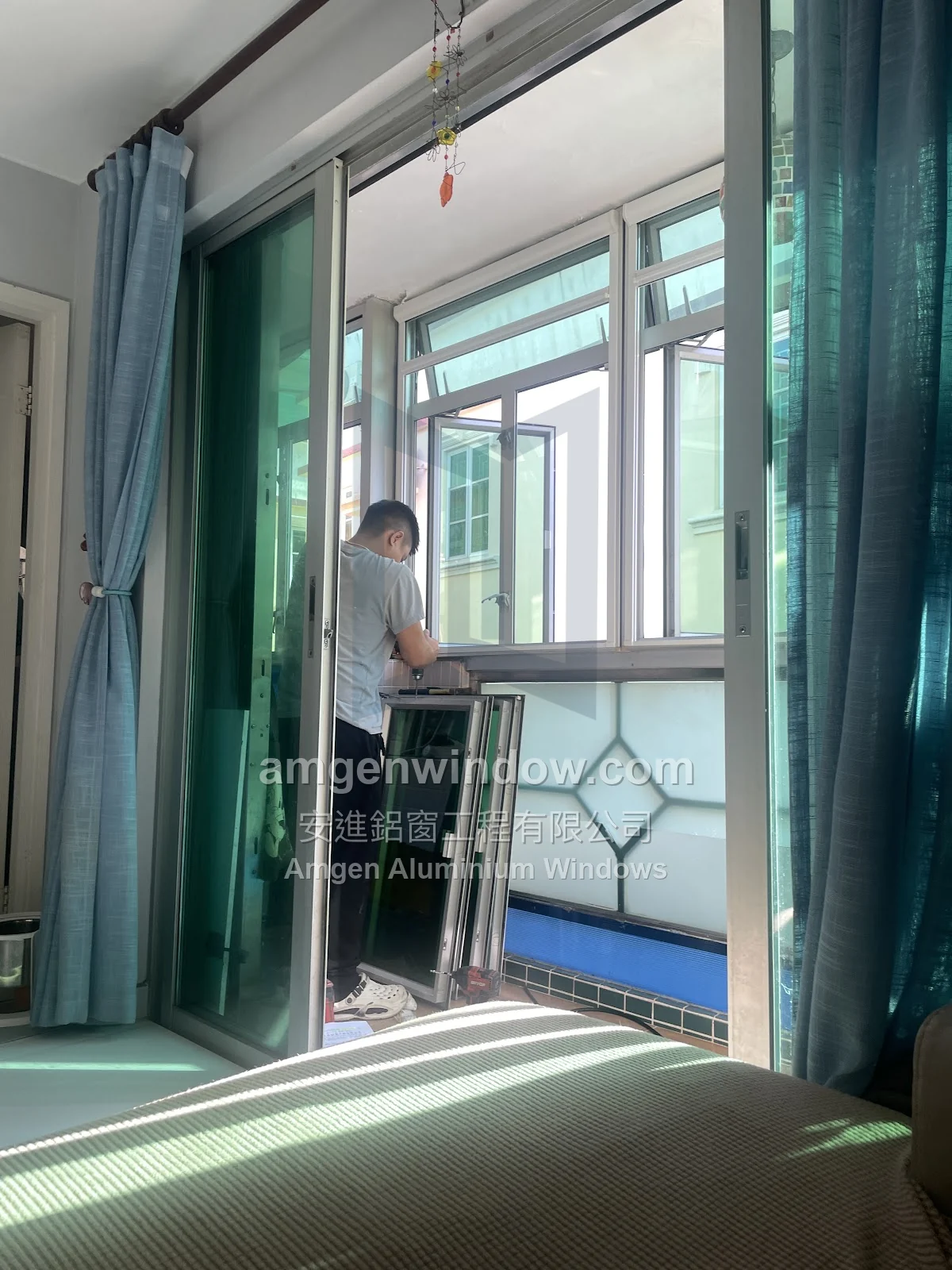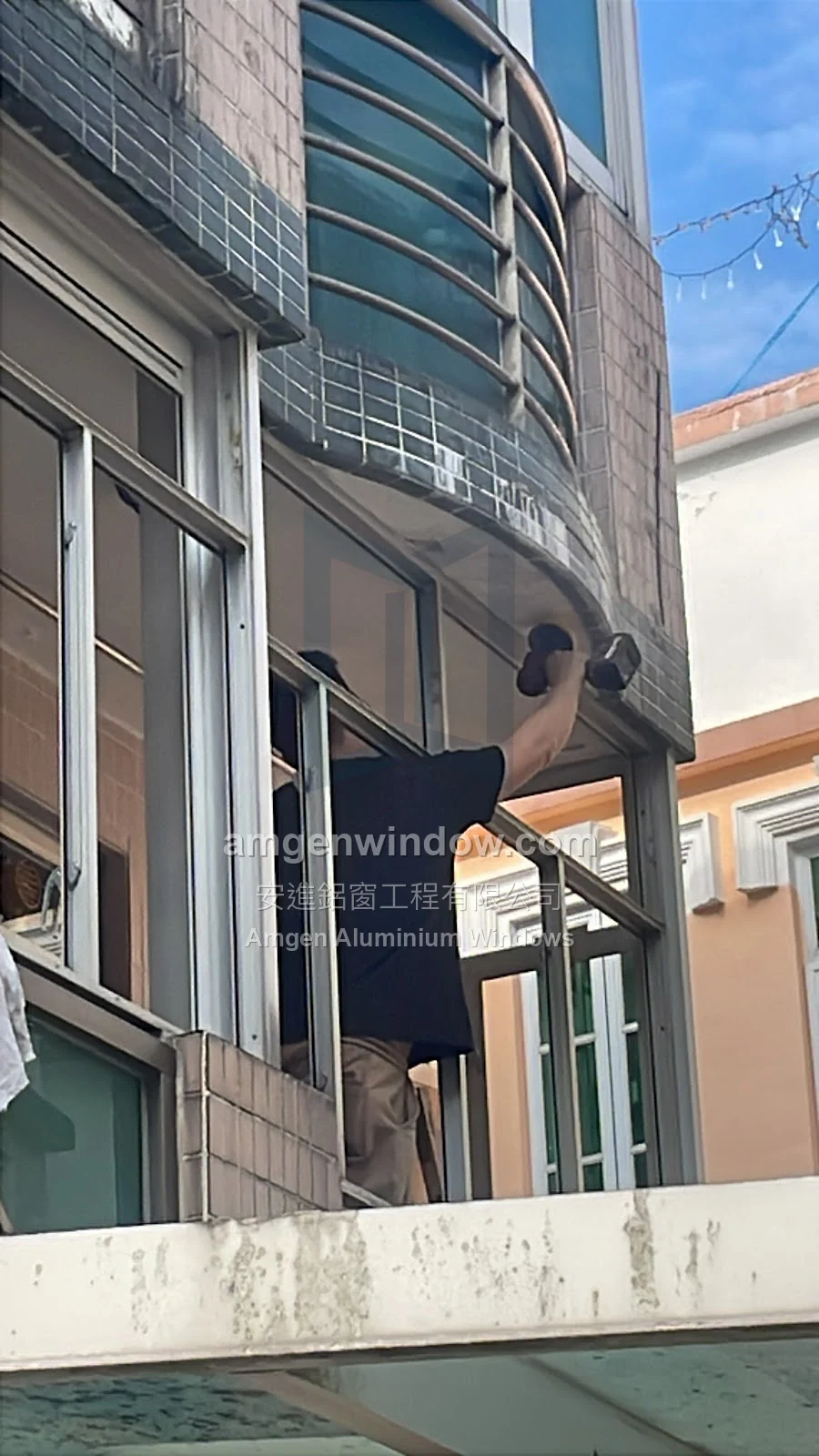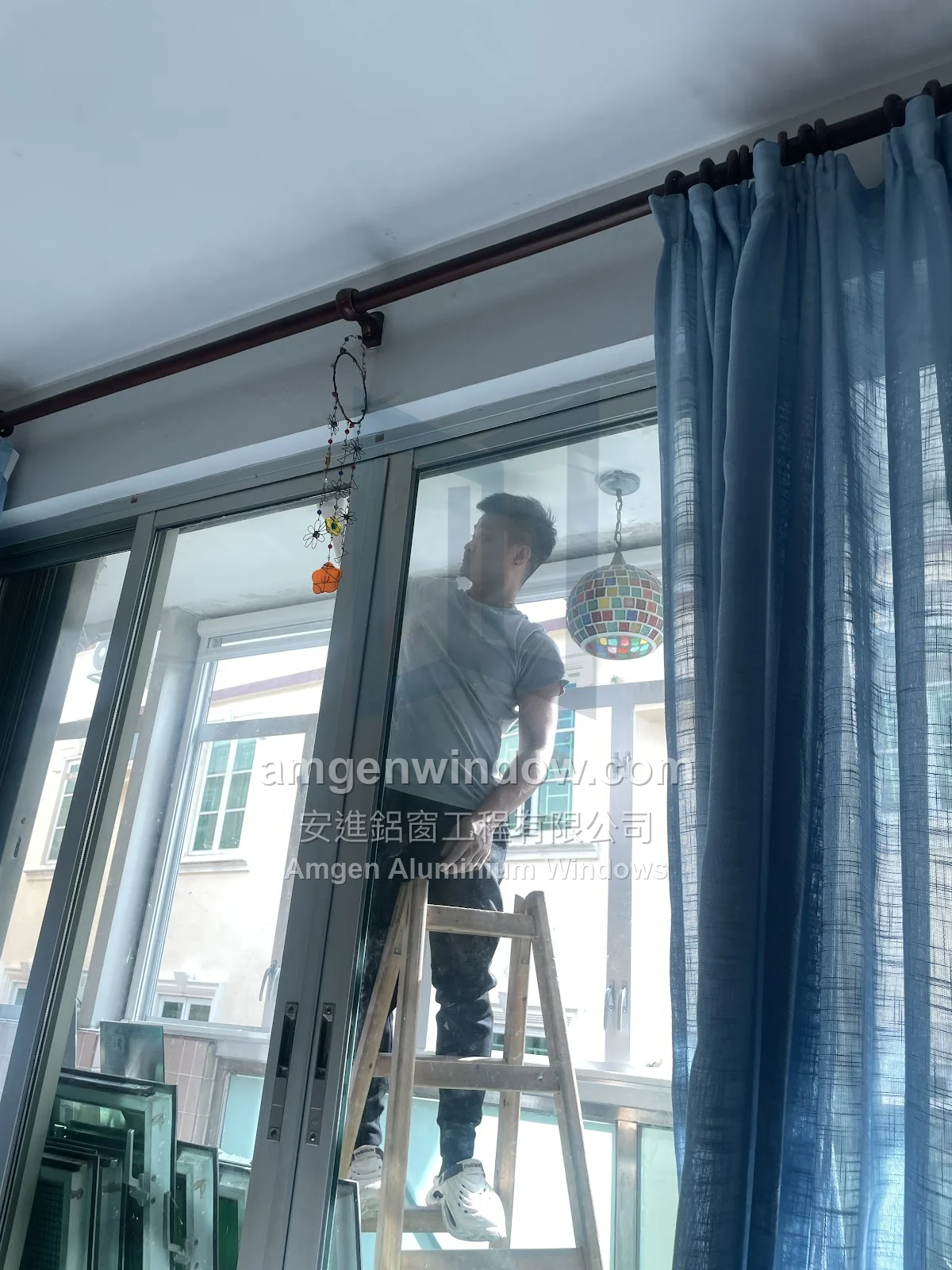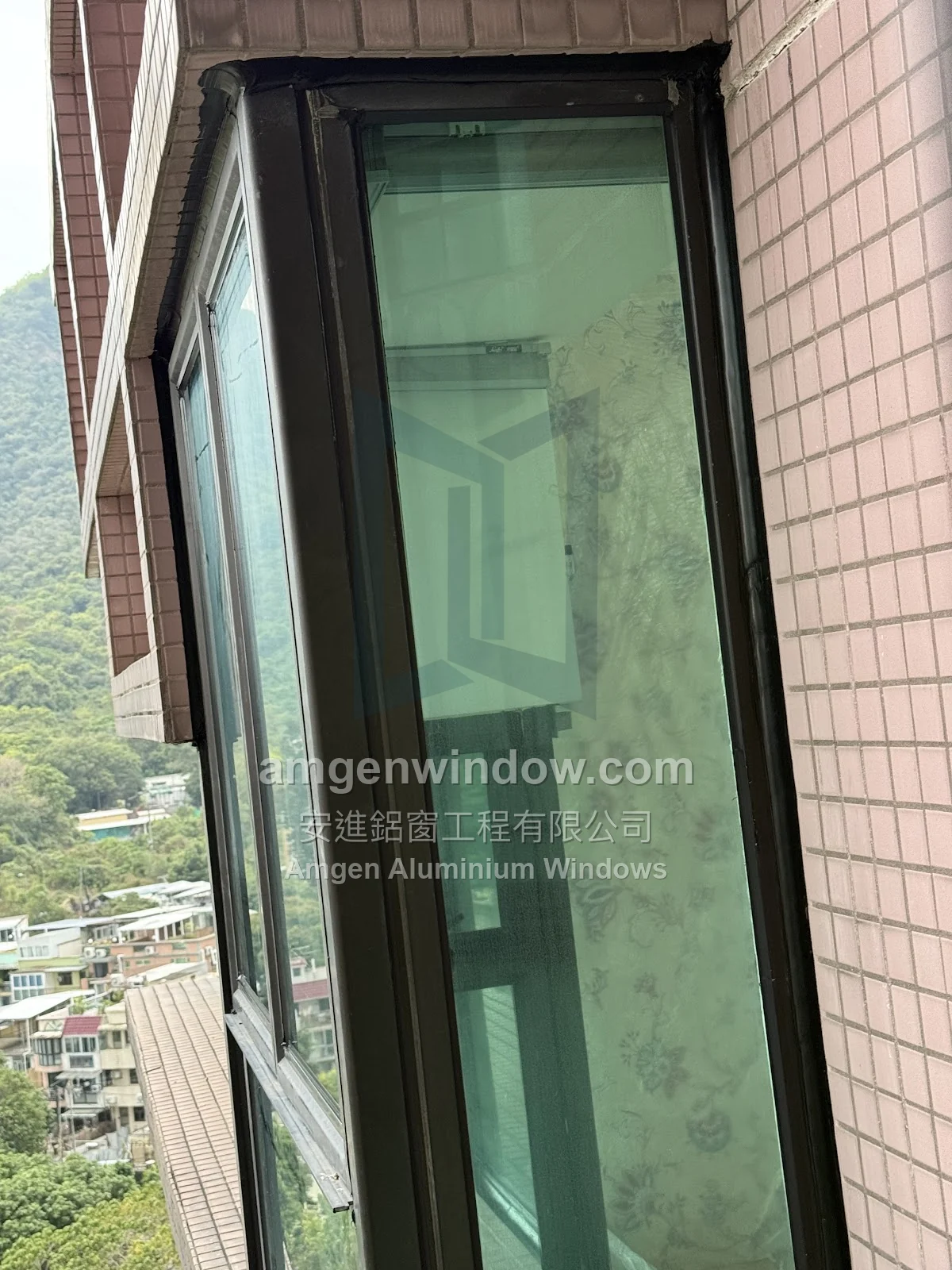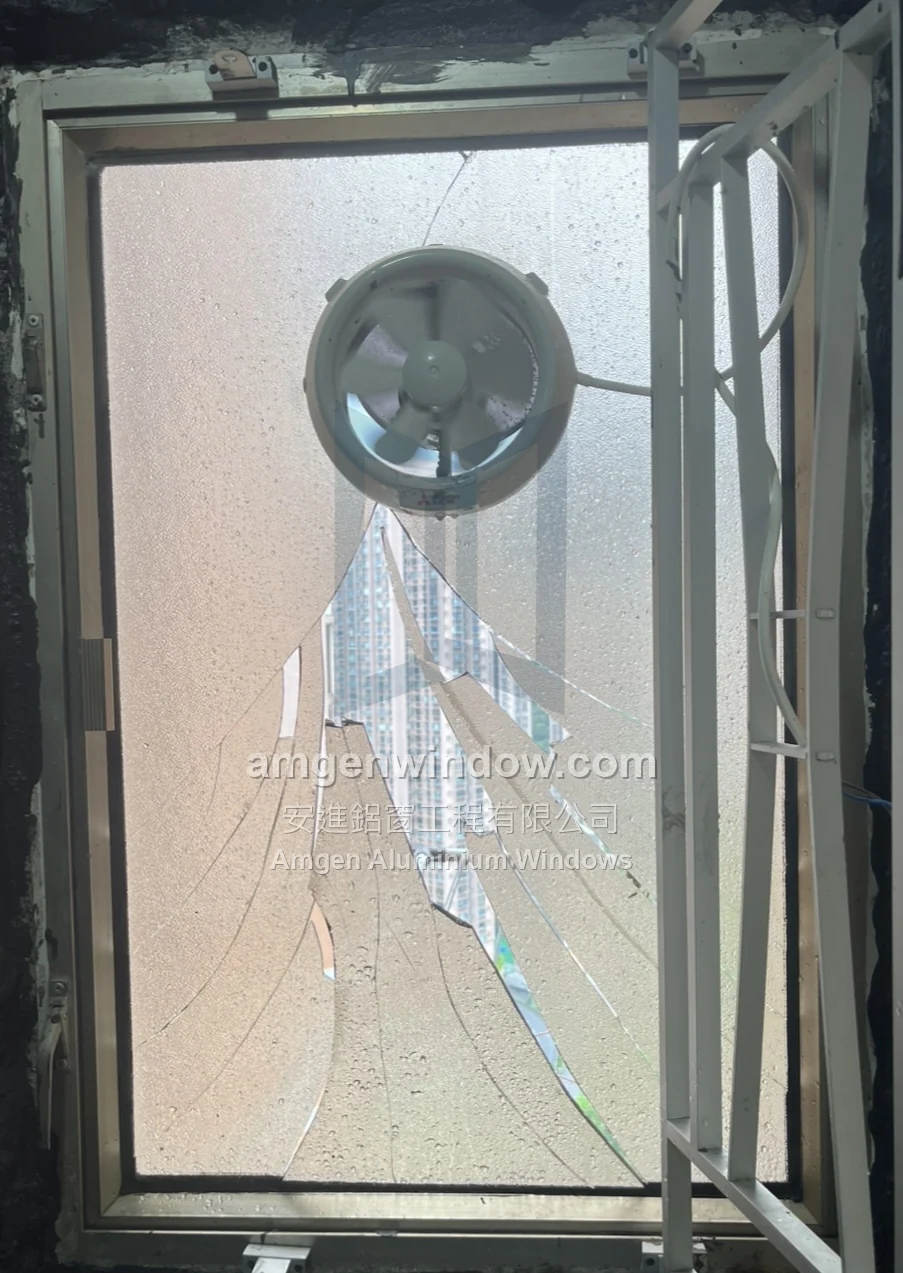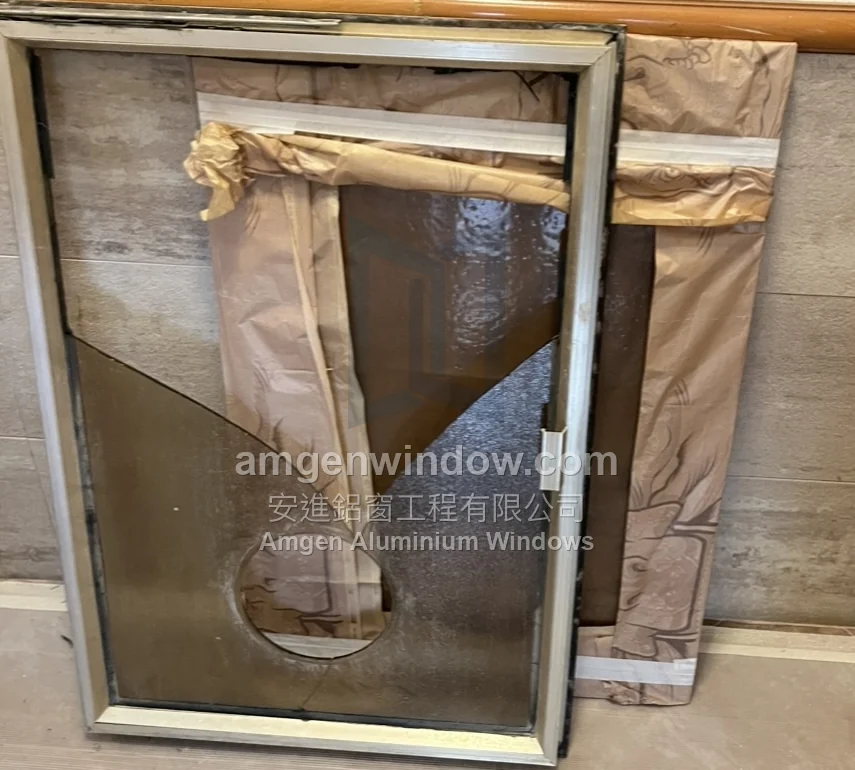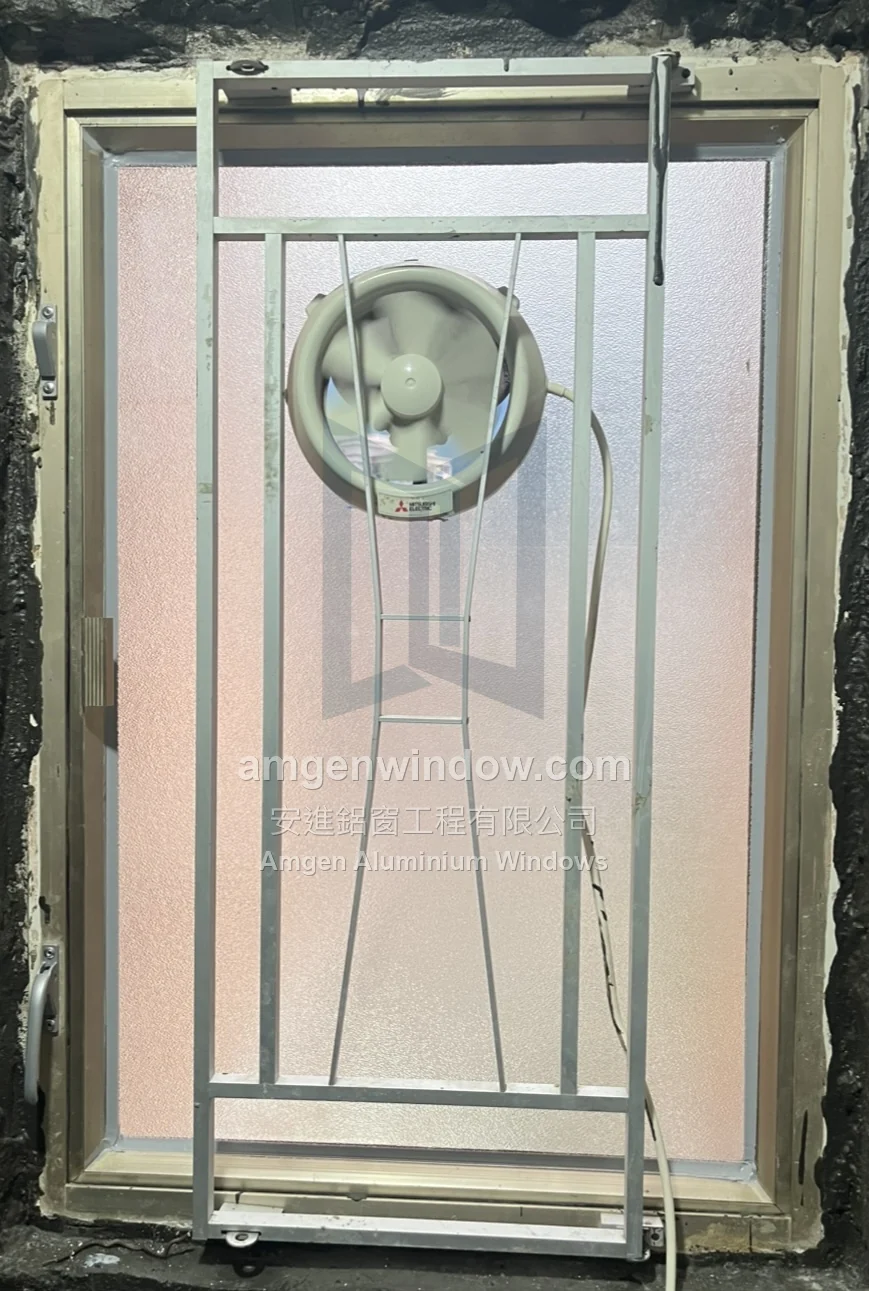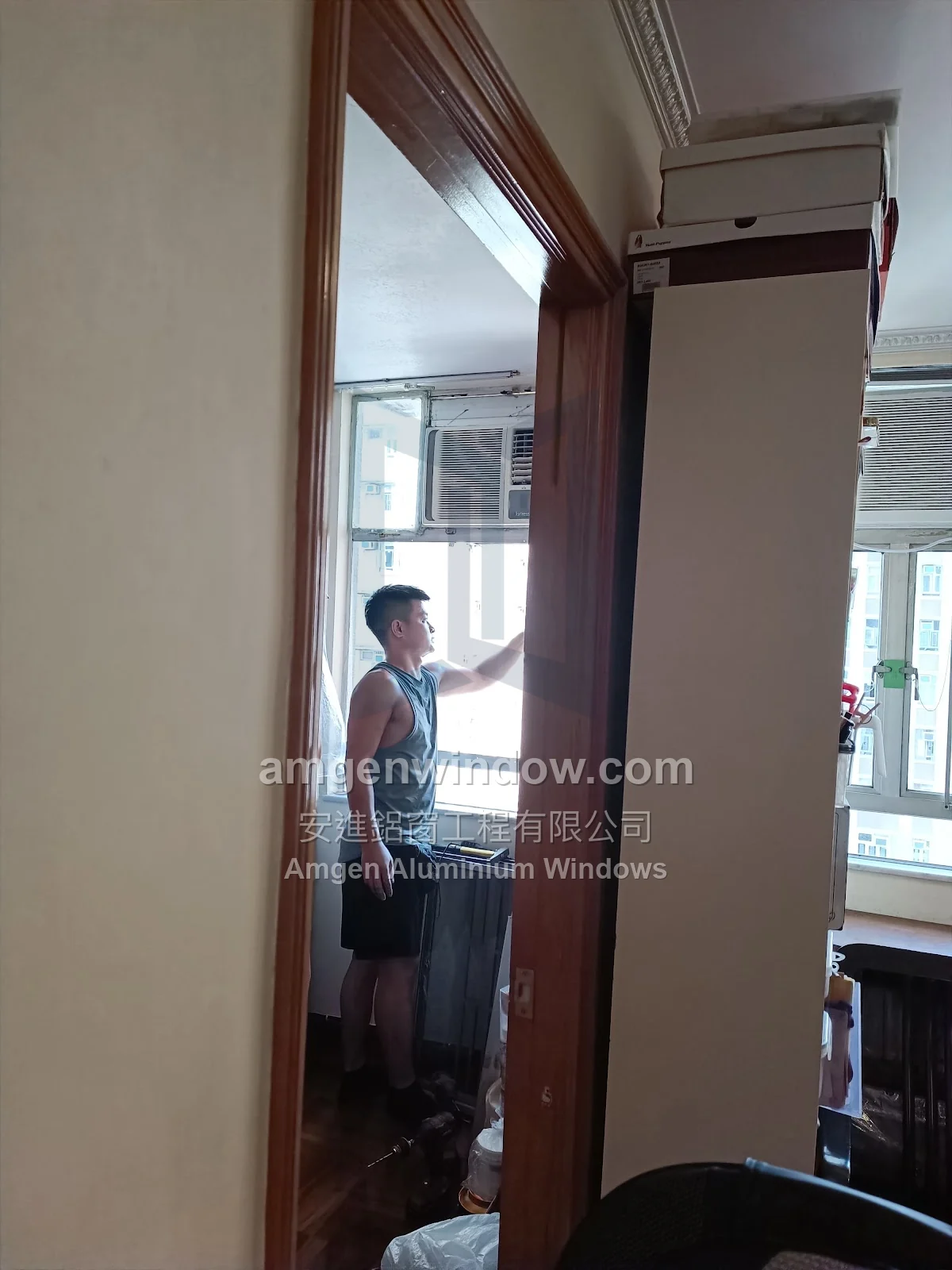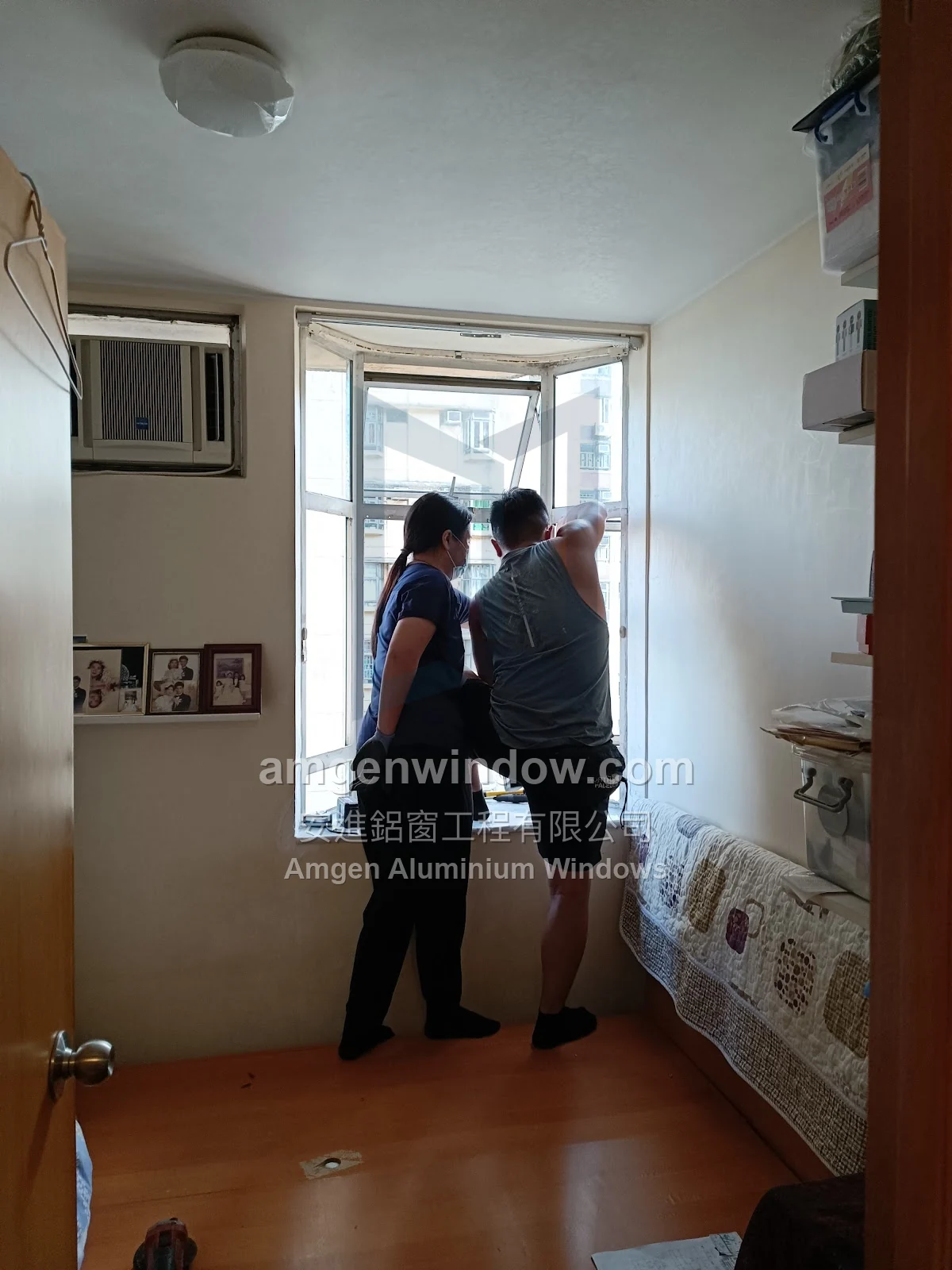

After a whole flat of new aluminium windows goes in, many owners breathe a sigh of relief and settle the balance as if the job is done. But whether the windows are well-fitted, watertight and made to the promised specifications can only be confirmed by going through each item before the technician leaves. Once you have signed off, discovering a blocked drainage hole or a gap in the sealing becomes far harder to resolve. This article explains the difference between "window handover inspection" and "mandatory window inspection", and provides an 8-point acceptance checklist so you can sign off with confidence.
Window Handover Inspection ≠ Mandatory Window Inspection: What's the Difference?
Many owners confuse "window handover inspection" with "mandatory window inspection", but the two are entirely different in nature and should not be mixed up.
Mandatory window inspection is a statutory scheme run by the Buildings Department under the Buildings Ordinance, targeting private buildings aged 10 years or above. After receiving a notice, owners must appoint a Qualified Person to inspect all windows and submit a Form MWI1 report. This is a compliance obligation, unrelated to whether you have installed new windows; for details, see how to choose a window inspection company.
Window handover inspection, on the other hand, is about quality control at the works level. When you pay to replace your windows entirely, the handover inspection is the crucial step — before settling the balance — of confirming that workmanship, materials and waterproofing match what the quotation promised. In short, mandatory inspection protects your compliance; handover inspection protects your money.
What Documents Should You Prepare Before Inspection?
Before the technician arrives for handover, have the following documents ready so you can check each item against them rather than relying on verbal assurances.
If the contractor cannot provide the above documents, raise it on the spot during inspection. Amgen's full aluminium window replacement service handles the declaration procedures on your behalf and provides complete documentation.
8 Key Checks for Aluminium Window Handover Inspection
Go through the following 8 items one by one, ideally in good daylight, with a water bottle on hand for testing.
| Check item | What to verify |
|---|---|
| 1. Frame sealing | Silicone between frame and wall is smooth, gap-free and uncracked |
| 2. Drainage holes | Drainage holes at the base of the frame are clear, not sealed by silicone |
| 3. Operation | Sashes open and close smoothly, hinges are firm, handles lock fully |
| 4. Glass | Correct type, no chips or scratches; tempered glass bears a 3C or safety mark |
| 5. Profile spec | Aluminium thickness matches the quotation (e.g. 40 or 50 gauge) |
| 6. Weatherseals | Inner and outer seals are snug, soft and elastic |
| 7. Water test | No water seeps through window edges or sill after spraying |
| 8. Clean-up | Protection removed, no scratched flooring, debris cleared |
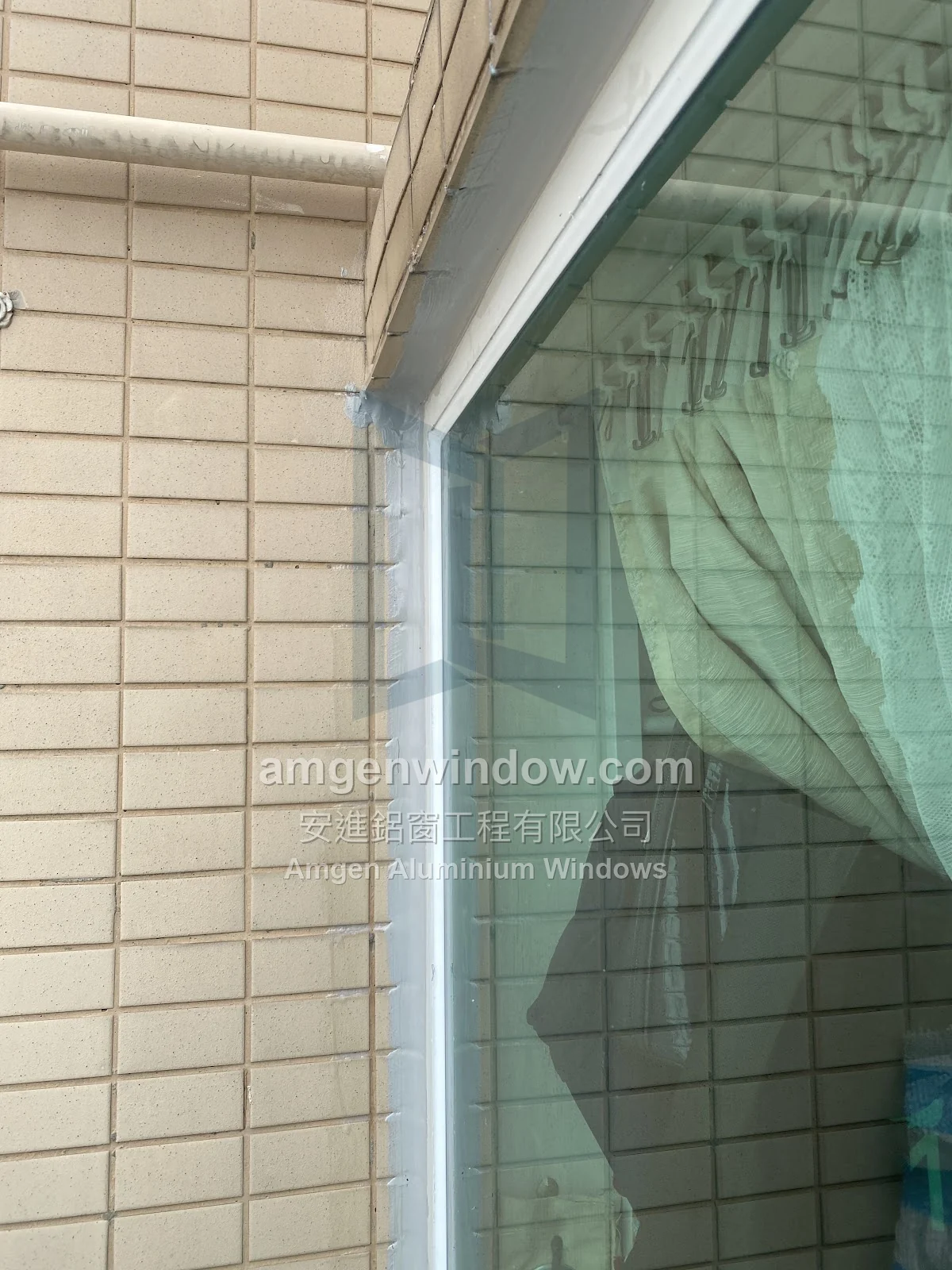
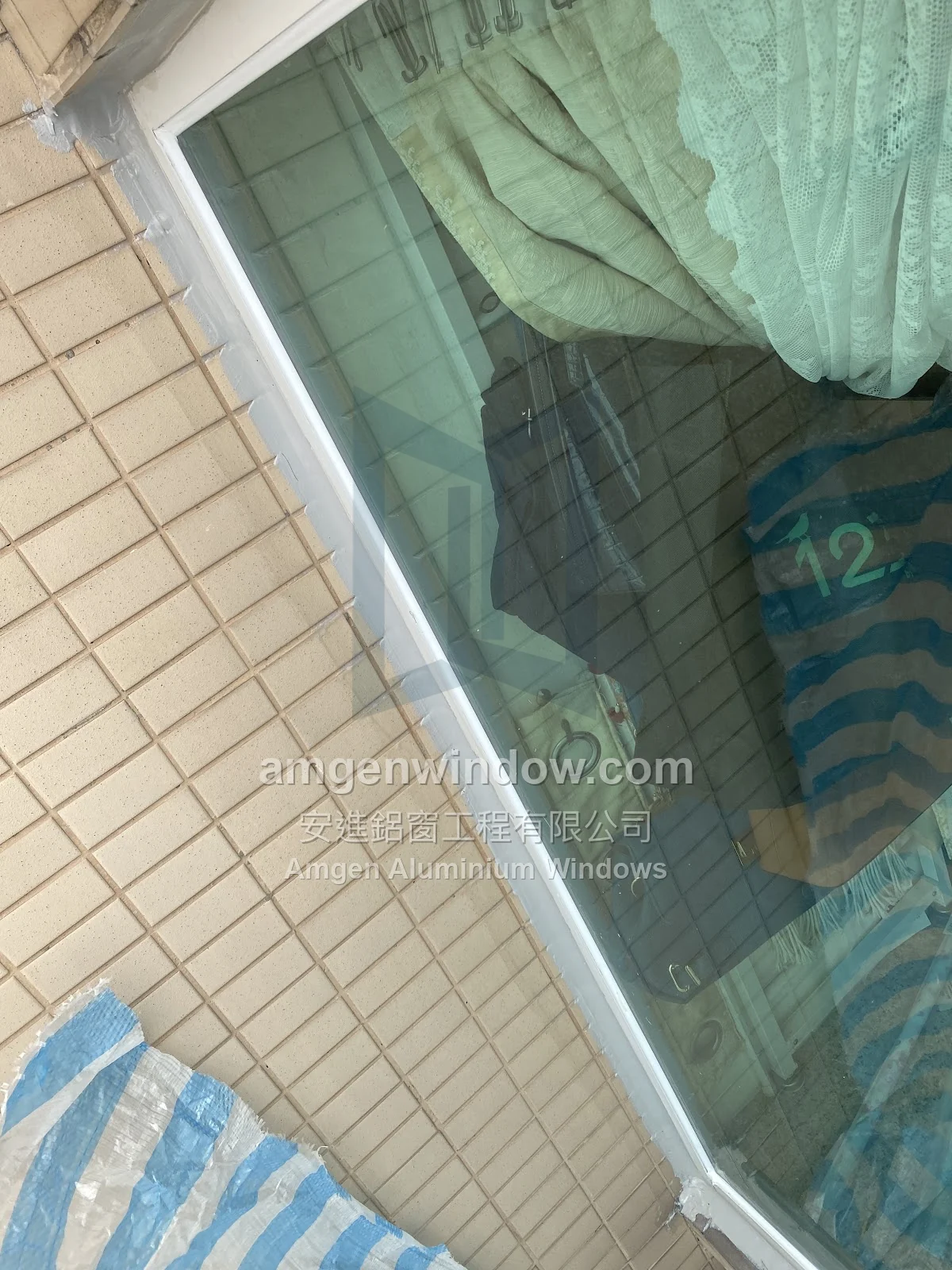
1. Frame-to-wall sealing: This is the primary point of seepage. Check where the frame meets the wall on all four sides — the silicone should be smoothly and continuously applied, tight with no gaps. If you see breaks, cracks or unfilled sections, ask the technician to re-apply the silicone.
2. Drainage holes: The base of an aluminium window frame has drainage holes to let accumulated water drain outside. A common problem is silicone accidentally sealing these holes during application, causing rainwater to back up indoors. Pour a little clean water into the window channel and watch whether it drains out smoothly.
3. Operation and hardware: Open and close each window several times, checking for smooth movement, no unusual noise and no looseness. Hinges should be firm and handle locking points should fully engage. New window hinges should show no signs of oxidisation; if any appear, request replacement on the spot.
4. Glass type and specification: Confirm the glass type matches the quotation (e.g. clear, insulated or acoustic glass), and check for chips, scratches or bubbles. Tempered glass usually bears a 3C or safety certification mark in the corner for identification.
5. Aluminium thickness: Profile thickness directly affects window strength and lifespan, and owners should note it before and after replacement. If the quotation states 50 gauge but you receive a thinner profile, the strength will differ; for related specifications, see aluminium window profiles and hidden specs.
6. Weatherseals: Newly fitted silicone rubber weatherseals should be soft, elastic and snugly fitted with no gaps. If they already appear hardened or shrunken from the outset, that is a materials issue and replacement should be requested. Weatherseals must be replaced, not patched over with silicone.
7. Water test (spray test): This is the most direct way to verify waterproofing. Using a water bottle or shower head, spray along the window edges and sill for a few minutes and watch for seepage on the interior side. Where possible, combine this with checking the external wall joints as part of waterproofing remediation works.
8. Clean-up and reinstatement: Confirm that floor protection and furniture covers used during the works are removed, that the frame and glass are free of scratches, paint marks or silicone residue, and that construction debris has been cleared.
Real Scenario: 3 Problems an Owner Found During Self-Inspection
Mr Chan replaced all the aluminium windows in a private flat in Kwun Tong and, before settling the balance, went through each item and caught three problems in time.
First, the drainage hole at the base of the master bedroom window was half-sealed by silicone, and testing showed poor drainage; second, one section of sealing at the living room floor-to-ceiling window had an obvious gap that was not fully filled; third, one of the windows was fitted with clear glass, whereas the quotation specified insulated glass.
Because he caught these before signing off, the technician cleared the drainage hole on the spot, re-applied the silicone, and arranged to replace the correct insulated glass. Mr Chan's experience shows that inspecting each item and raising issues on the spot is the most effective way to safeguard workmanship.
Frequently Asked Questions
When is the most accurate time to do a water test after replacement?
Ideally after the silicone has fully cured (generally 24 hours or more), as this reflects true waterproofing performance. An initial spray test on handover day can catch obvious leaks; observe again once cured, paying particular attention to any water stains around the window edges after the first heavy rain.
Can I withhold the balance if the inspection reveals problems?
Works are generally structured with a deposit and a balance, with the balance paid only after completion and acceptance — precisely to give owners room to check. If inspection reveals problems, list them on the spot and request follow-up, settling the balance only once matters are resolved and you are satisfied. A clear contract and quotation are your best evidence here.
Do I still need mandatory window inspection after installing brand-new windows?
It depends on whether the building has received a mandatory window inspection notice from the Buildings Department. Mandatory inspection is a compliance requirement for the whole building; even if you have installed new windows, a statutory notice still requires inspection and reporting by a Qualified Person. Amgen holds licence number MWC 316/2021 and can assist with both inspection and documentation.
Sign Off with Confidence — It Starts with Inspecting Each Item
New aluminium windows are a long-term investment, and spending a little time inspecting each item after replacement spares you from seepage or materials troubles down the line. Amgen Aluminium Windows holds licence MWC 316/2021 and offers one-stop replacement, waterproofing and inspection services, with free on-site assessment across all 18 districts of Hong Kong.
For enquiries, WhatsApp us at 6586 3435 to book a technician visit with peace of mind.

Want to know what a replacement costs?
Enter the number of windows and their sizes and it becomes a clear enquiry — a free on-site measurement can be arranged.
Start a replacement quote