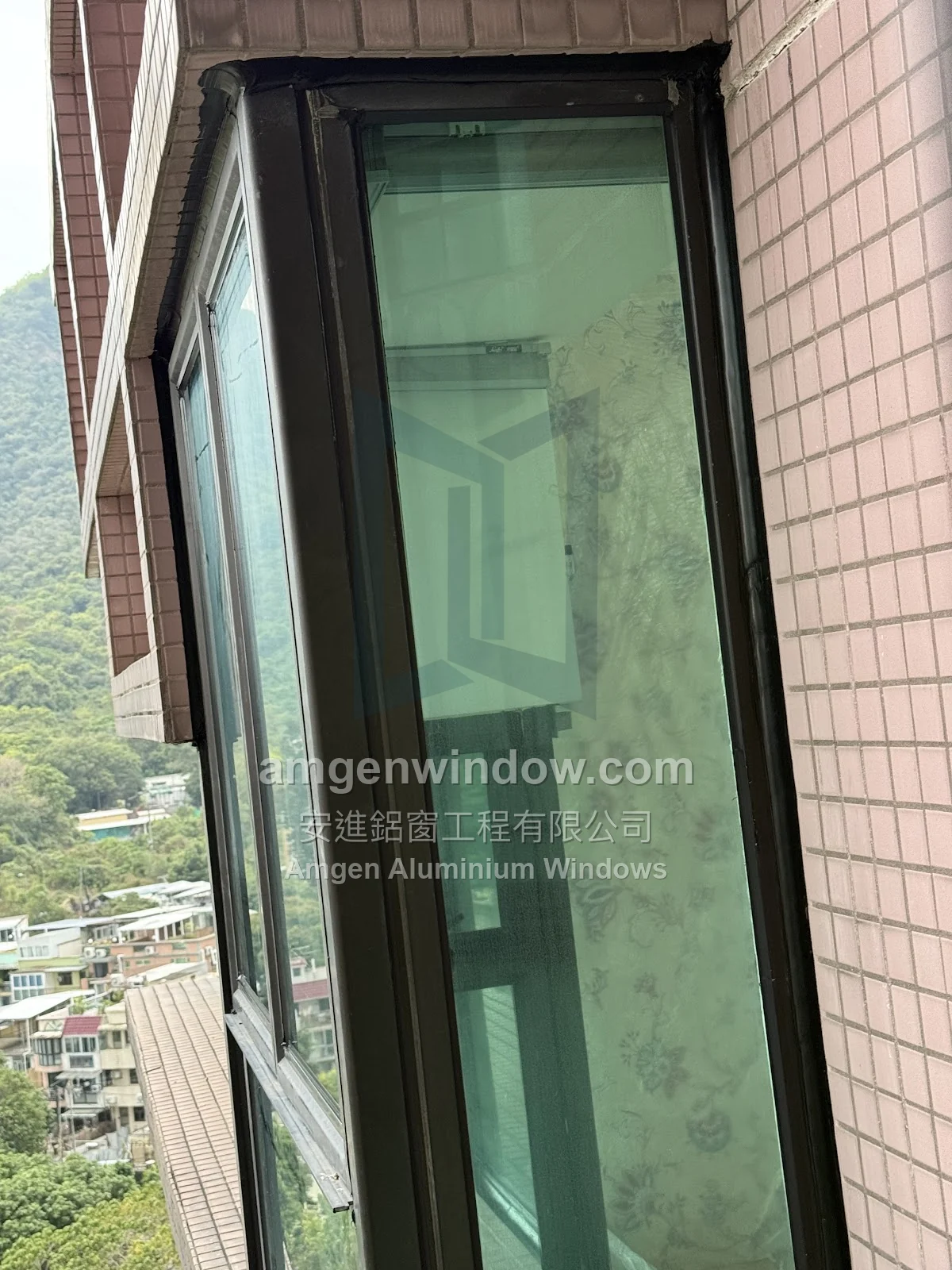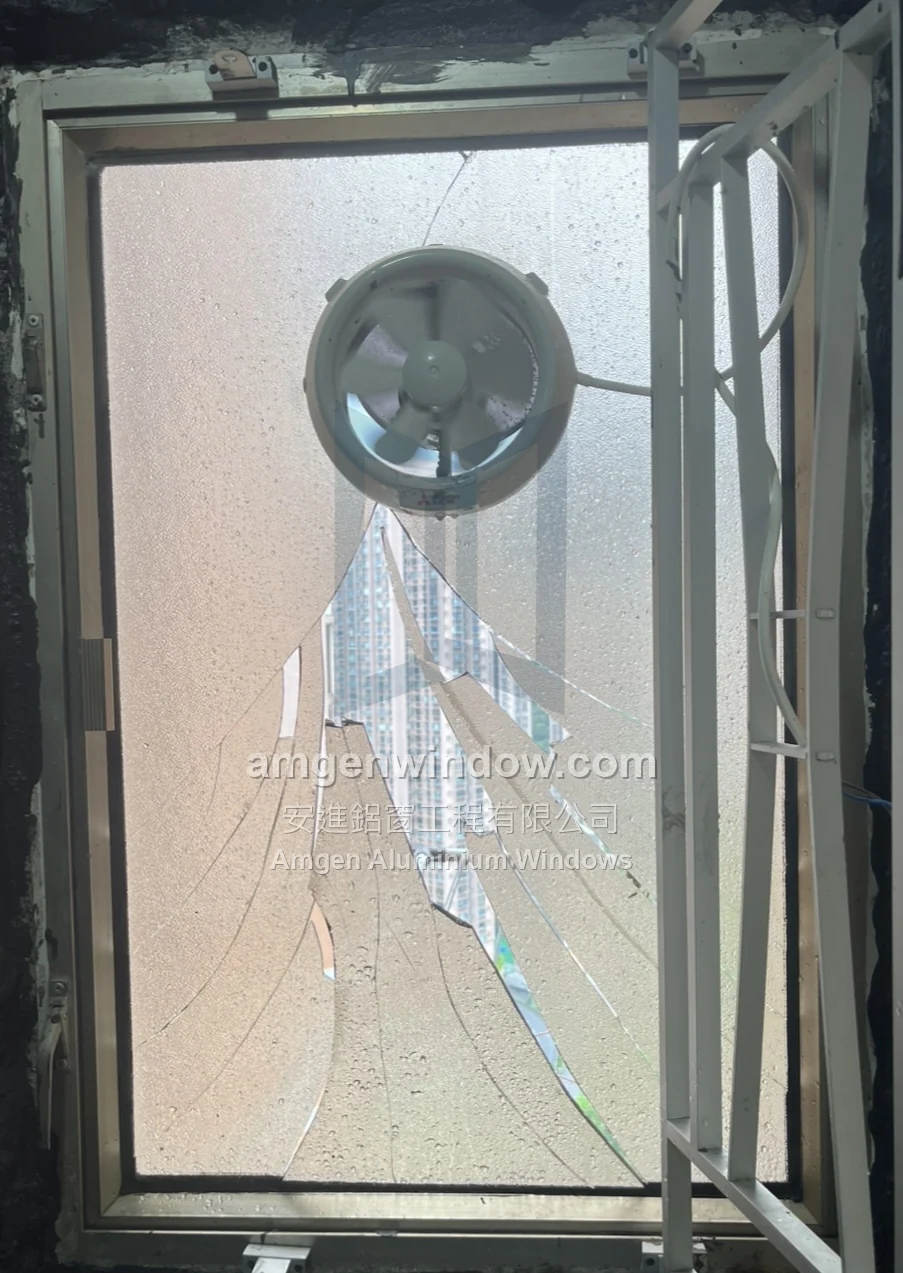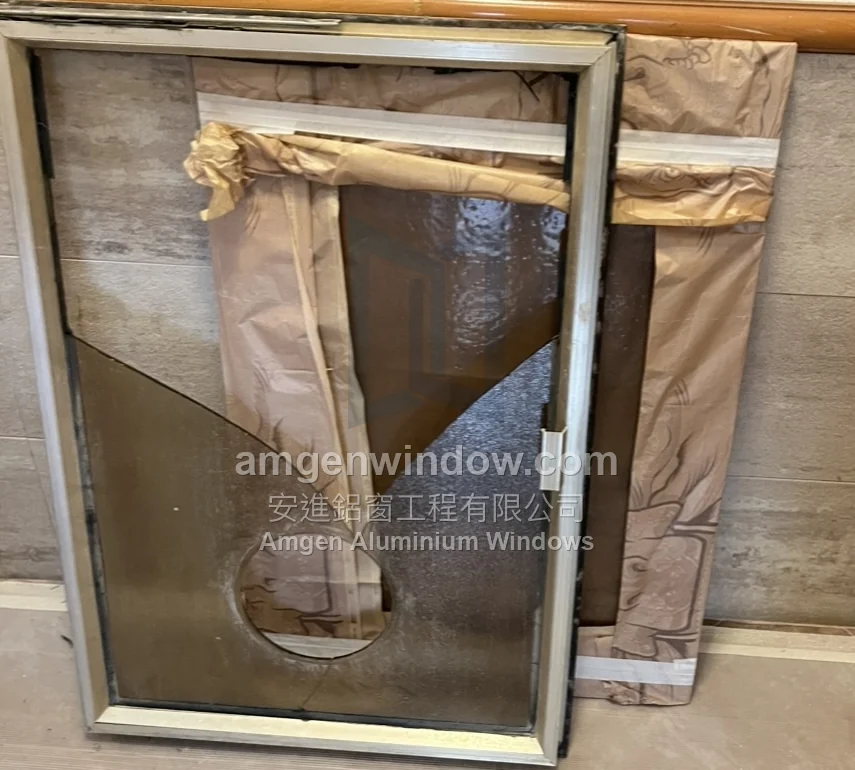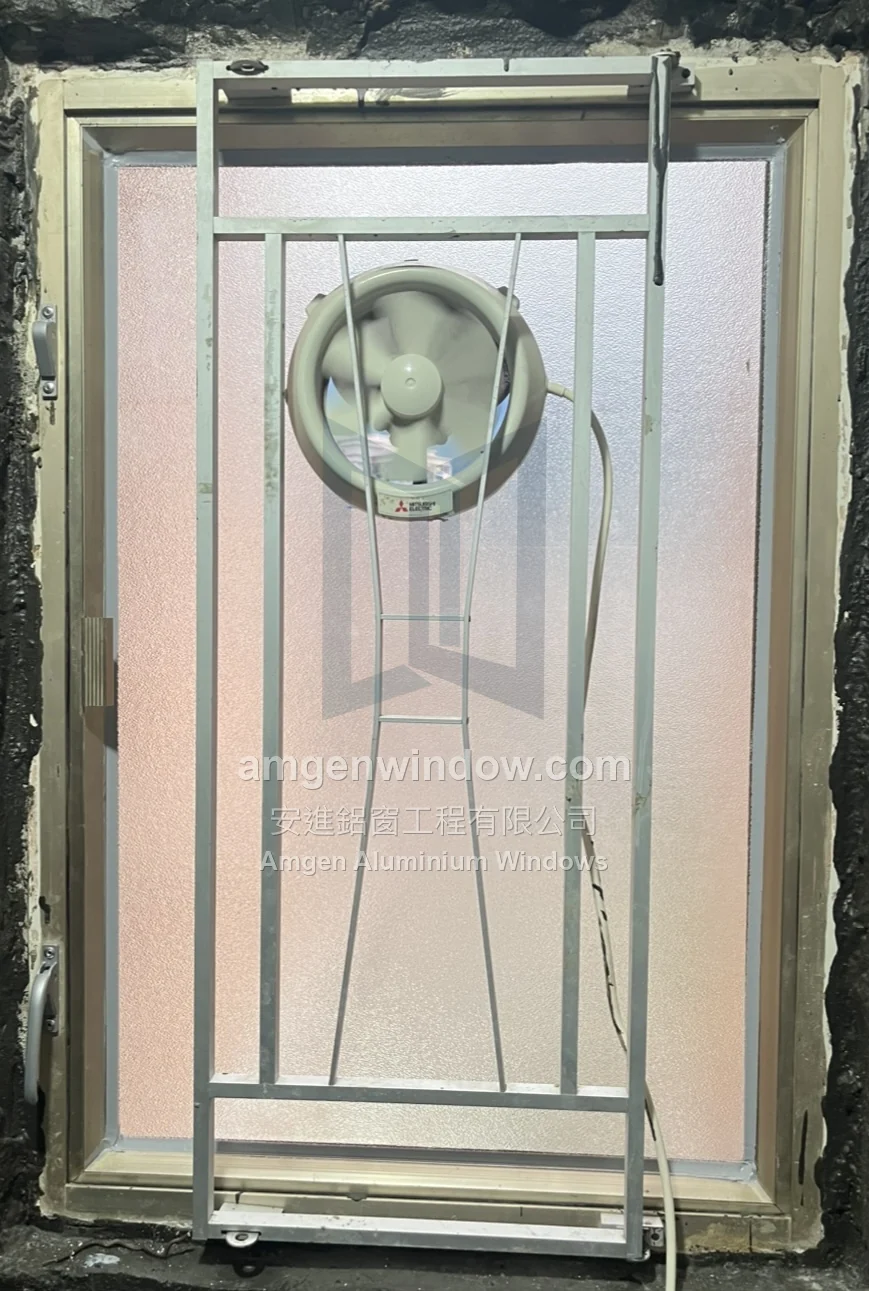
Water pooling in the track during heavy rain, seeping in at the bottom of the frame — faced with an aluminium window leak, most owners assume the seals have failed and reach for silicone. On inspection, though, a good share of these cases come down to the same thing: blocked drainage holes. This article explains where the drainage holes are, why they block, how to check and clear them yourself, and how to tell when the problem lies somewhere else entirely.
Where are the drainage holes? Learning to spot them
An aluminium window is not fully sealed. In driving rain a small amount of water will always get into the track — the design expects it. That is why the bottom of the frame carries drainage holes (weep holes), letting the water drain back out by gravity.
Where they sit depends on the window type:
The holes are almost always on the outer face and invisible from indoors. That is why owners can live with a window for a decade without knowing they exist.
Why do they block? Three common causes
One: dust and silt settling. Hong Kong is coastal and windy, so tracks collect dust continuously. In rain the silt washes to the lowest point — which is exactly the mouth of the drainage hole — and over time it sets hard.
Two: kitchen grease mixed with dust. Kitchen windows block particularly readily, because cooking grease binds the dust into something water alone will not shift.
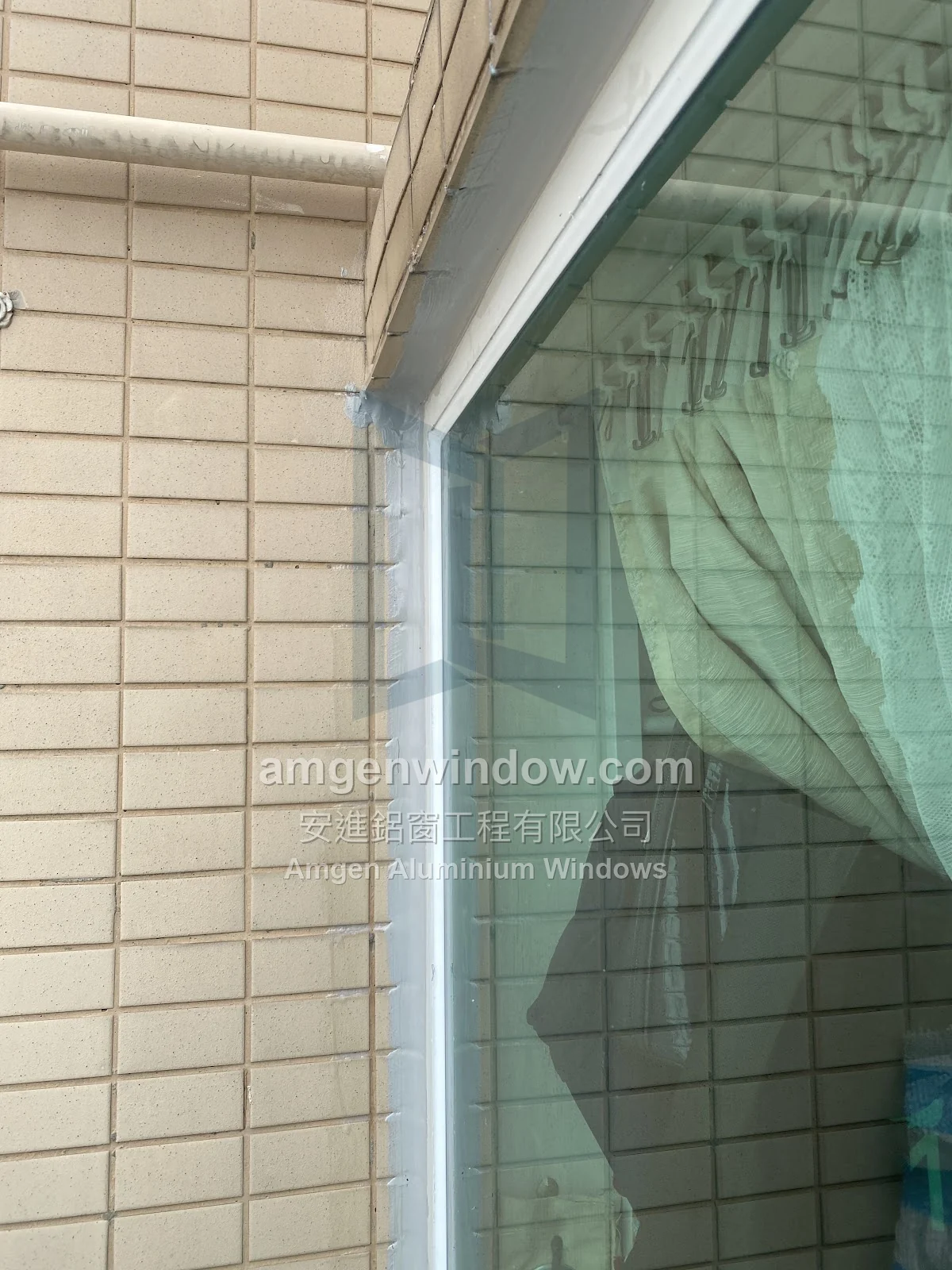
Three: sealed over during works. This is the frustrating one — silicone applied over the drainage hole. The silicone goes on to stop water getting in, but it blocks the route water needs to get out, so the track fills and overflows inwards instead. It is especially common when owners patch the sealant themselves.
A three-minute test you can do yourself
No tools needed — a cup of water is enough.
Step 1: Find the holes. Open the sash and look along the outer face of the bottom rail for one or two small openings. If there is a cover, ease it aside and look underneath.
Step 2: Pour water in. Slowly pour about half a litre of clean water into the track — into the track itself, not over the glass — near the section closest to the drainage hole.
Step 3: Look outside. Normally the water runs out of the drainage hole and down the external wall within a few seconds. If it sits in the track, or drains only very slowly, the hole is partly or fully blocked.
Step 4: Watch the water level. If the pooled water rises above the inner lip of the frame, it will spill into the room — which is exactly the "the seals look fine but it still floods in heavy rain" scenario.
How to clear them safely — and what not to do
Do:
Do not:
If the water test still fails after clearing, the blockage is deeper in the channel, or the hole was poorly formed in the first place — that is one for a technician.
Not the drainage holes? Four ways to tell
A leaking window frame rarely has just one possible cause, and blocked drainage is only one of them. These signs point elsewhere:
| What you observe | More likely cause |
|---|---|
| Holes drain fine, but the window still draughts and shows water marks at the edge | Sealant strips hardened, contracted or melted, no longer sealing |
| Water marks on the wall around the frame rather than in the track | Failed silicone at the frame-to-wall joint |
| Leaks only in heavy rain from one particular wind direction | Cracks in the external wall, or a failed drip line above the window |
| Water present without rain, appearing at the head of the window | Air-conditioner drip or a leaking pipe on the wall above |
If you cannot tell them apart, that is fine — see diagnosing the cause of window-edge seepage for the full method. For an emergency during a typhoon, start with first aid for window leaks.
A real scenario: two repairs that missed it
An owner in Tai Kok Tsui had a bedroom window whose sill flooded in every heavy downpour. The first technician ran fresh silicone along the window edge. It was inexpensive, and two months later the water was back.
The second put it down to the seals and replaced the strips throughout the flat. That helped a little, but heavy rain still brought water in.
The third visit was Amgen's, starting with a water test — poured into the track, the water did not move at all. Prising off the drainage hole cover revealed it packed solid with set silt. Once cleared, the water drained in seconds. The technician also found that a stretch of the silicone from the first visit sat directly over the drainage outlet.
Removing the excess old silicone, clearing the holes, replacing the contracted sealant strips and resealing, then running a fifteen-minute water test, resolved it. The owner's conclusion: "The first two weren't done badly — they were done in the wrong place."
Frequently asked questions
Should drainage holes be kept fully clear, or can I seal them against draughts?
They must stay clear. The drainage holes are part of the window's water management; sealing them turns the track into a reservoir, and in heavy rain the rising water spills indoors. If draughts or wind noise are the worry, fit a drainage hole cover with a baffle rather than closing the hole.
How often should they be cleaned?
Check once a year before the typhoon season, in April or May. Kitchen windows and those facing a main road collect more grease and dust, so every six months is better for those. Run the water test while you are cleaning the track anyway — it takes three minutes.
Can newly installed windows have blocked drainage holes?
A new window will not have collected dust, but being sealed over during installation is not unusual. That is one of the reasons to check each item before accepting the work — see the window handover inspection checklist. Confirming a water test on every window before signing off saves a lot of trouble later.
Is there a charge for clearing drainage holes?
On its own it is a simple job. In practice, though, blocked drainage usually turns up alongside contracted sealant strips and failed silicone at the joints, so the technician checks everything on the visit and quotes item by item for what is actually needed.
In closing: find the cause first, and you only pay once
The real cost of a leaking window is not the repair bill — it is having to repair it again because the first attempt addressed the wrong thing. Drainage holes are the most overlooked part of the system and the easiest to check yourself: one cup of water and three minutes either rules them out or confirms them.
Amgen Aluminium Windows holds licence MWC 316/2021 and provides aluminium window waterproofing with free on-site assessment across all 18 districts of Hong Kong. If your own check has not found the source, WhatsApp us on 6586 3435 — our technician runs a water test first and only quotes once the cause is confirmed. For the full approach at the sill, see window sill waterproofing works.

Want to know what waterproofing costs?
Enter the window locations and sizes and it becomes a clear enquiry.
Start a waterproofing quote