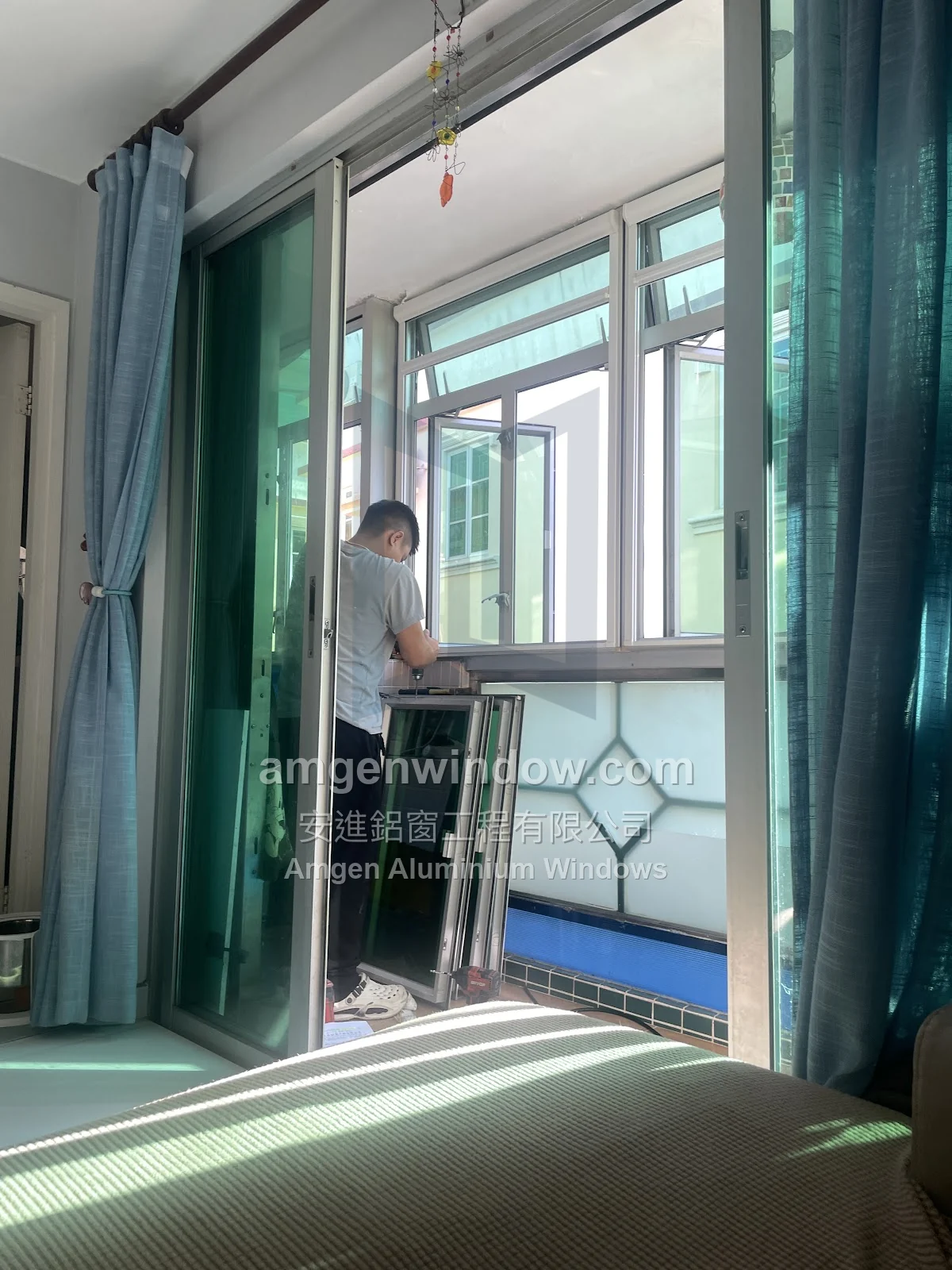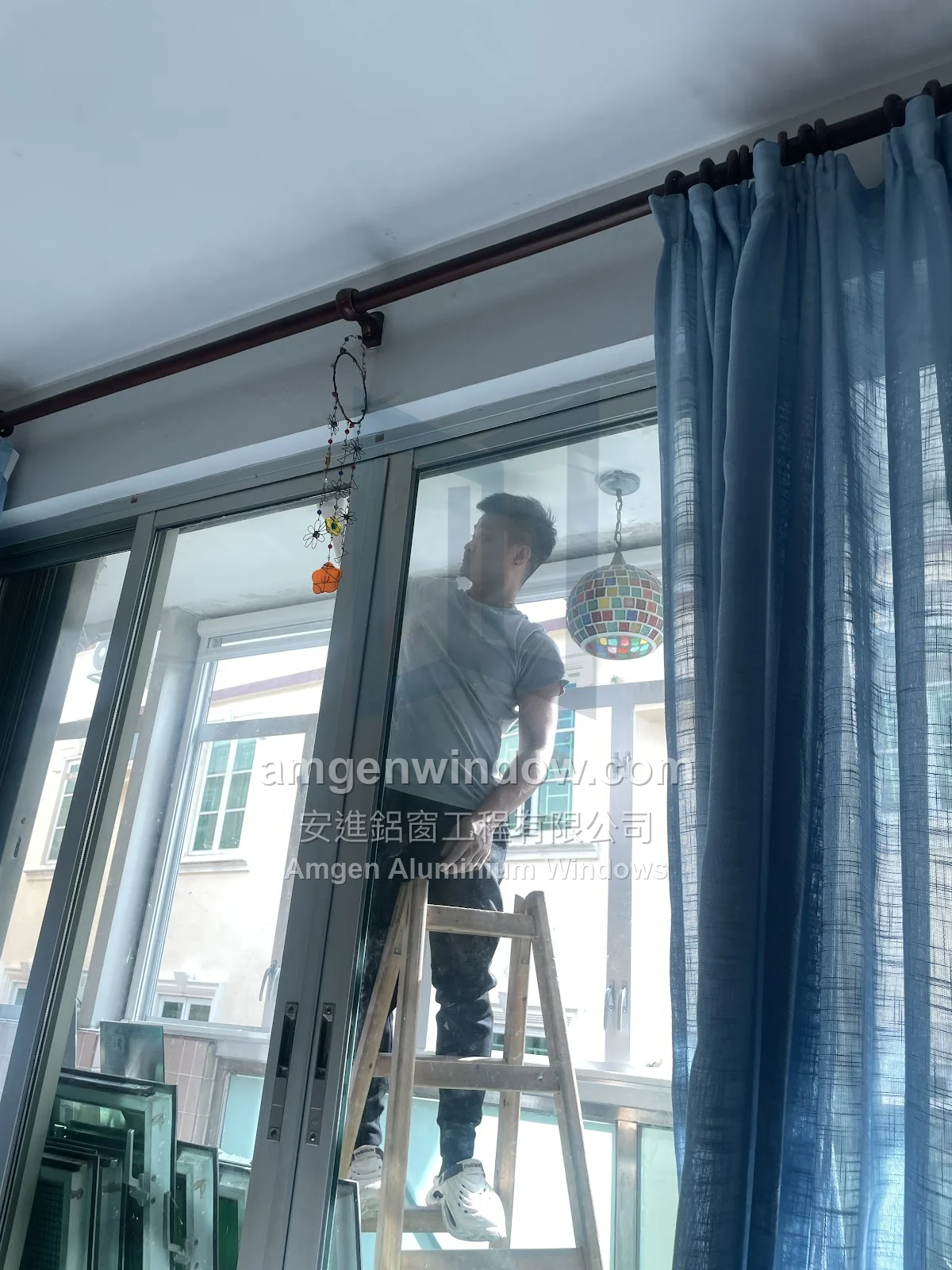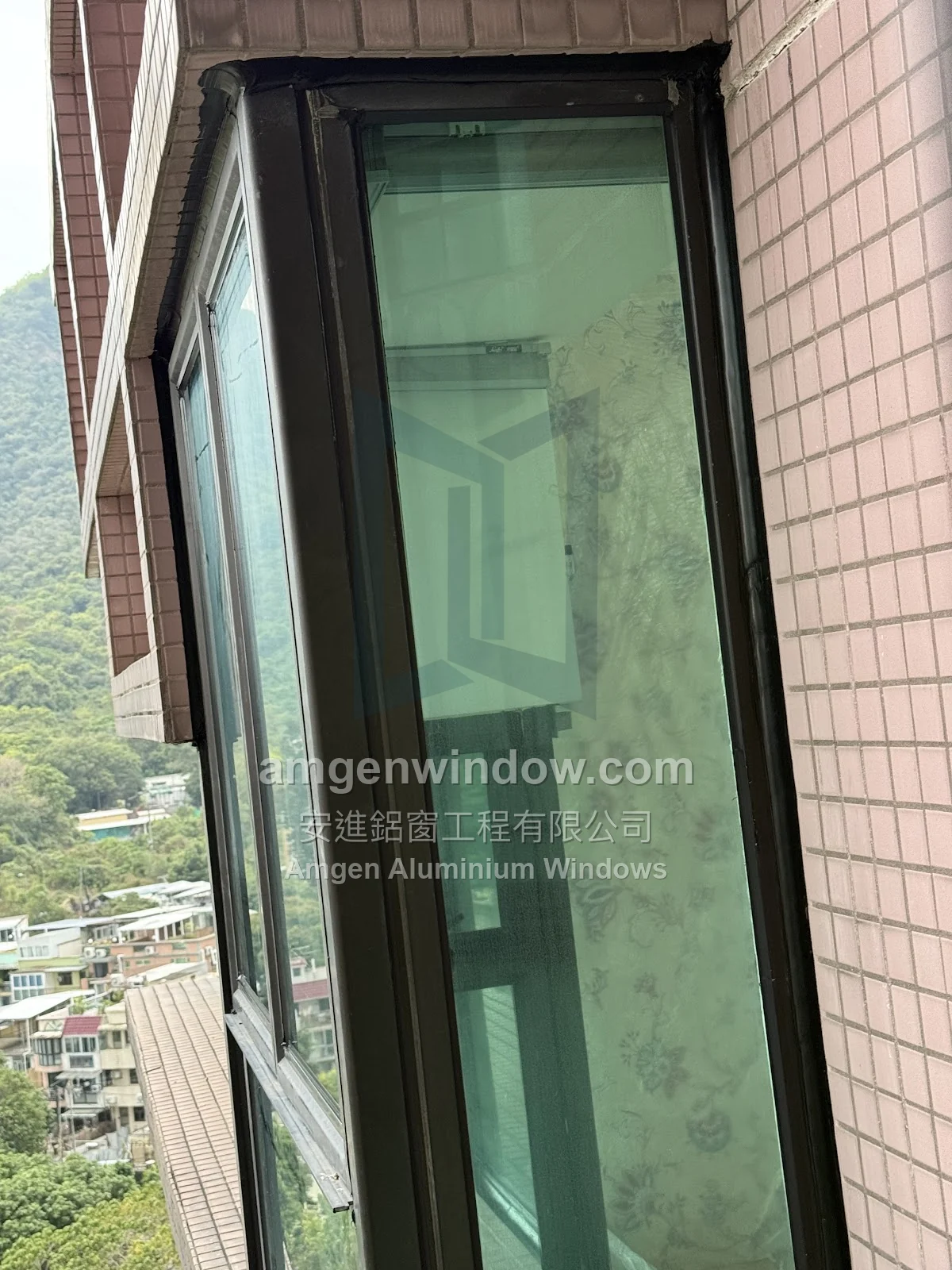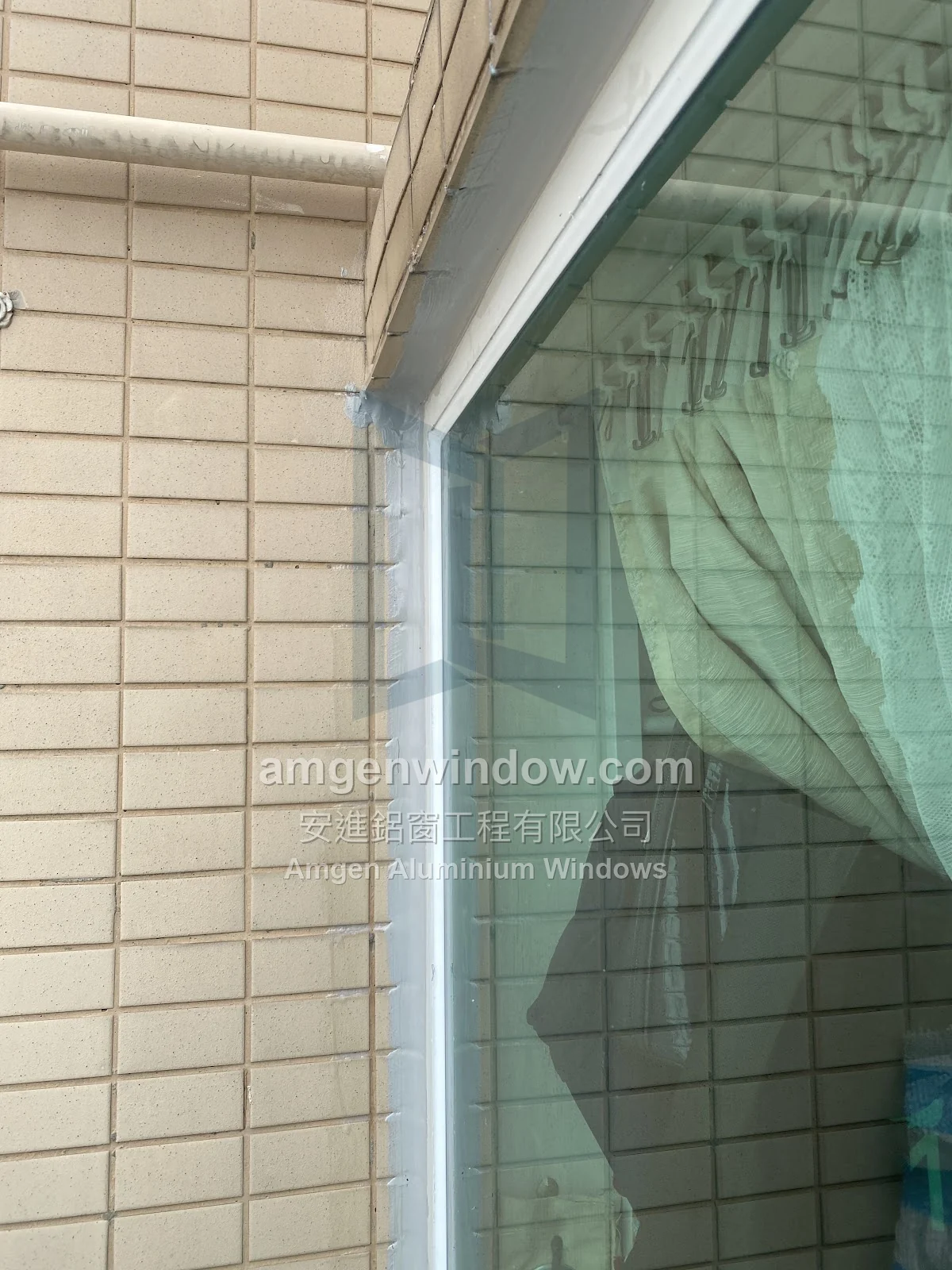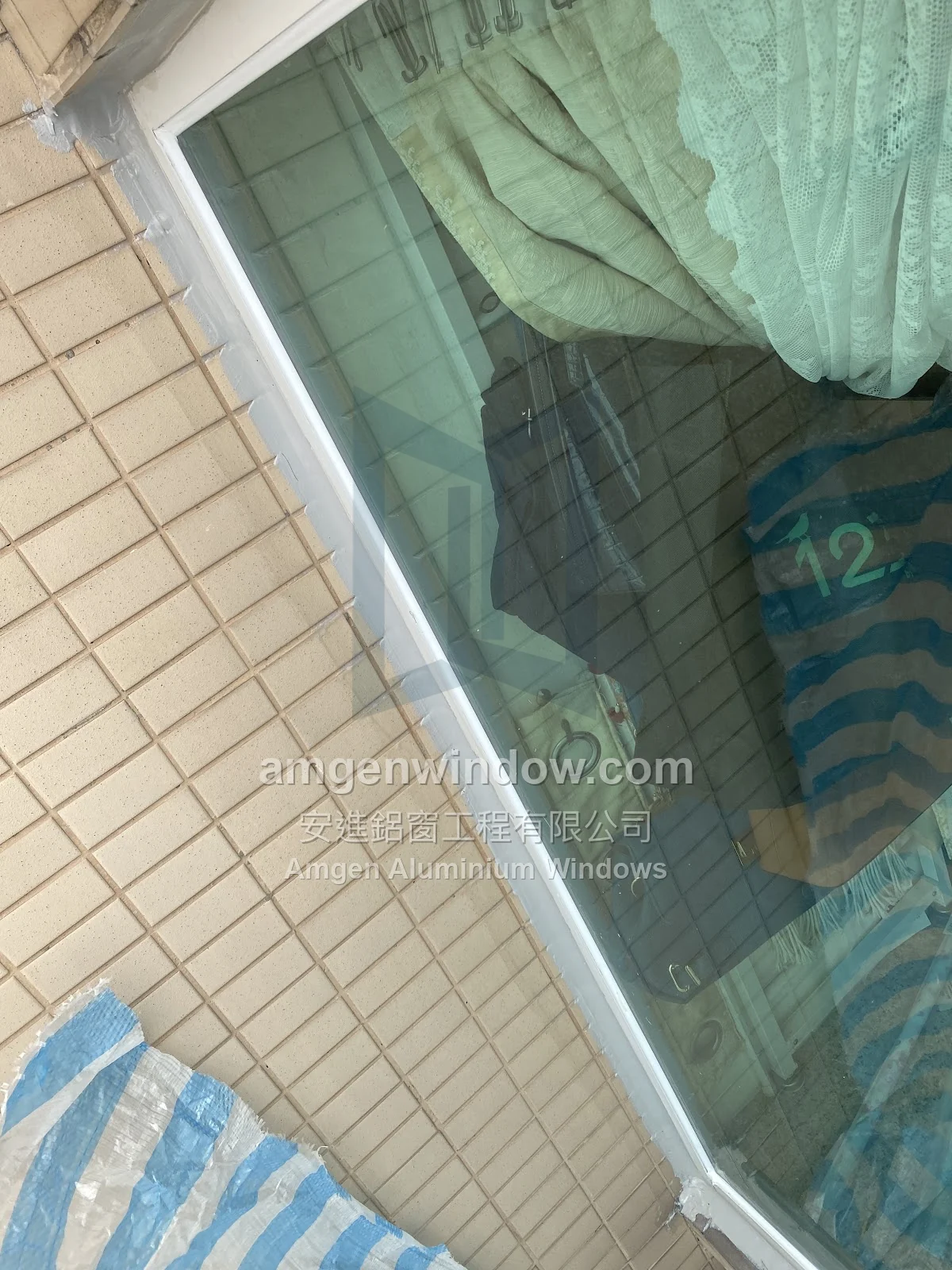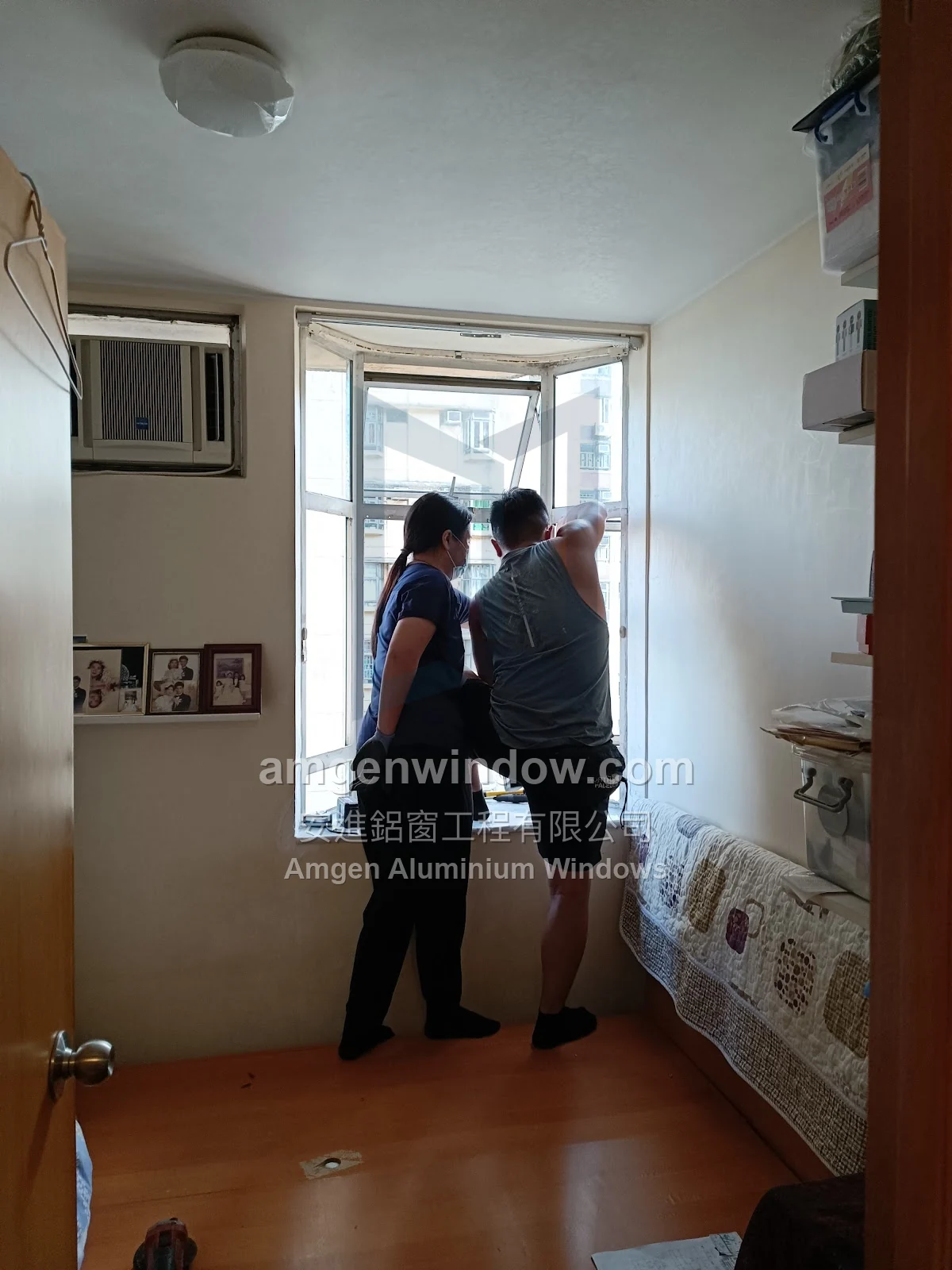

After a downpour, water stains appearing along the window sill edge or seeping from the bottom of a window frame is a familiar sight for many Hong Kong homeowners. Some wipe it dry and move on; others tell themselves they'll deal with it next time. But unchecked window sill leakage allows water to work its way into the wall, damaging plaster and paintwork — and in the longer term, the structure itself. This guide covers the common causes of window sill leaks, the complete waterproofing works process, and cost references to help you plan before calling in a contractor.
3 Common Causes of Window Sill Leakage
Window sill leaks rarely happen without a reason. Most cases fall into one of three categories:
1. Failed Silicone Sealant Joints The silicone bead between the window frame and the external wall is the primary barrier against rainwater entry. After prolonged exposure to sunlight, rain and temperature fluctuations, silicone gradually hardens, contracts, or becomes soft and loses adhesion — leaving visible gaps or separation from the wall. Once silicone loses its elasticity, rainwater can penetrate directly through the crack.
2. Hardened or Contracted Silicone Rubber Weatherstrips Silicone rubber weatherstrips fitted in the window sash channel provide an airtight seal when the window is closed, keeping wind and rain out. Under sustained heat and UV exposure, weatherstrips harden and contract, losing their original flexibility. If wind or water continues to enter after closing the window, weatherstrip failure is often the primary cause.
3. Blocked Drainage Holes Causing Water Backflow Aluminium window frames have drainage holes at the bottom to channel accumulated rainwater outward. If these holes become blocked by dust, grime, or debris over time, water trapped in the frame channel has nowhere to go and seeps inward through the frame base onto the window sill. This problem is particularly common in older private developments and housing estates — see where the drainage holes are and how to check them.
The Complete Window Sill Waterproofing Works Process
A standard waterproofing and leak remediation works job typically follows these steps:
Step 1: Remove Old Sealant and Weatherstrips The contractor uses specialist tools to remove all existing failed silicone from around the window frame perimeter. Ensuring the joint surface is completely clean — free of residue and loose material — is critical, since new silicone cannot bond effectively over contaminated surfaces. The weatherstrip channels are also inspected and the old, hardened strips removed.
Step 2: Clean Joint Surfaces and Drainage Holes After stripping the old sealant, joint surfaces are cleaned with a degreasing agent or alcohol to remove oil, dust and moisture — ensuring the new silicone can bond fully to the substrate. Drainage holes are cleared at the same time to restore normal water flow.
Step 3: Apply New Silicone Sealant Masking tape is applied to protect the window frame edges from silicone smears, then weather-resistant exterior silicone is applied evenly into the joint, ensuring it is fully filled without air pockets and finished with a clean, smooth profile. Exterior-grade weatherproof silicone is required — standard indoor silicone lacks the additives needed to withstand Hong Kong's heat, humidity and typhoon rain.
Step 4: Replace Weatherstrips New silicone rubber weatherstrips are fitted into the window sash channels, sized to match the frame profile and installed with fully sealed corner joints. A properly fitted weatherstrip should close the sash completely with no residual gap.
Step 5: Completion Testing After works are complete, the contractor closes all windows and checks the seal quality. If weather permits, a water test can be performed to simulate rainfall and verify that all joints are watertight before signing off.
DIY Silicone Application vs Hiring a Contractor
The most common DIY attempt in window sill waterproofing is self-applying silicone to window frame edges. There are limits to what this can achieve.
Situations Where DIY May Be Adequate If only a small corner crack is present and the existing silicone is otherwise still adhering well, applying a thin layer of new silicone over a clean surface can serve as a short-term patch.
Problems DIY Cannot Resolve Where old silicone has contracted and detached across a wide area, it must be completely stripped back before new silicone can adhere — simply applying new silicone on top will not hold. If the root cause is contracted weatherstrips or blocked drainage holes, silicone patching alone will not solve the problem. Using indoor-grade silicone by mistake — which lacks weatherproofing additives — will result in re-cracking within months and the same problem recurring.
How to Choose Window Frame Waterproofing Materials? Several materials are used for aluminium window waterproofing, each with a different purpose — using the wrong one can make leaks worse:
Before attempting window frame leak DIY, first identify the source: a joint silicone problem can be patched short-term, but if the cause is a contracted weatherstrip or blocked drainage, no amount of silicone will help — a contractor must replace the strip and clear the drainage.
Recommended approach: if the leak covers a wide area, has recurred after previous repairs, or if wall staining is already visible, have a contractor assess the root cause directly rather than attempting repeated DIY patches.
Cost Reference: How Is Window Sill Waterproofing Priced?
Costs vary based on the scope of works, number of windows, and site complexity. The following are general references:
| Works | Reference Price |
|---|---|
| Single window silicone resealing (incl. stripping old sealant) | From HK$300 |
| Weatherstrip replacement (per window sash) | From HK$150 |
| Four-Treasure Works (weatherstrips + silicone + hinges + handles) | From HK$580 |
| Waterproofing & Leak Remediation (comprehensive works) | From HK$2,000 |
If window sill leakage is accompanied by hinge oxidation or a loose handle, Four-Treasure Works typically offers better value — addressing all component issues in a single visit at lower combined cost than individual items.
For more detail on waterproofing works scope and pricing, see the complete aluminium window waterproofing guide.
Real Case: Tin Shui Wai Estate Window Sill Waterproofing
A homeowner in a Tin Shui Wai housing estate had been experiencing window sill leakage in the kitchen and bedroom after every typhoon — wall staining had been building up for years.
Amgen's contractor inspected on site and found three concurrent issues: the external silicone sealant along the window frame perimeter had contracted widely with visible separation from the wall; the window sash weatherstrips had hardened and lost their seal; and the drainage holes were blocked by accumulated debris. With all three problems present simultaneously, rainwater was entering from multiple paths every time heavy rain occurred.
Works carried out: a comprehensive leak remediation package — stripping all failed silicone and reapplying from bare substrate, replacing weatherstrips, clearing drainage holes, and resealing all joints with exterior-grade weatherproof silicone. Each joint was tested for watertightness on completion. The homeowner reported no further window sill leakage through the following typhoon season. All works include Amgen's 3-year waterproofing warranty.
Frequently Asked Questions
Q: Does window sill leakage always need a contractor, or can I handle it myself?
Light silicone patching is something homeowners can attempt. However, if the affected area is large, the problem has recurred after previous patches, or wall staining is already visible, having a contractor assess the root cause first is advisable — it avoids repeated ineffective repairs. Amgen offers free on-site assessments, so there's no need to guess the cause yourself.
Q: How long after silicone application should I wait before rain?
Exterior weatherproof silicone typically requires 24 to 48 hours to fully cure. Avoid any water contact during this period. Waiting at least two days before the silicone is exposed to rain ensures it bonds fully to the substrate and performs to its rated waterproofing standard.
Q: Does window sill waterproofing work need to be declared to the Buildings Department?
Silicone resealing and weatherstrip replacement are classified as maintenance works and do not require a Buildings Department notification. However, if the leakage involves frame damage or a full window replacement, the declaration requirements depend on the specific works involved. Amgen (MWC 316/2021) can assess your situation and advise on any filing requirements at no charge.
Find the Root Cause Before Starting Works
Effective window sill waterproofing starts with correctly identifying the source of the leak. Failed silicone, contracted weatherstrips and blocked drainage holes each require a different solution — treating the wrong cause only adds repair visits without resolving the problem. Amgen offers aluminium window waterproofing works and free on-site assessments, with licensed contractors (MWC 316/2021) diagnosing the issue on the spot and explaining the recommended approach clearly.
For window sill leakage enquiries or to book an assessment, WhatsApp 6586 3435. Amgen serves all 18 districts across Hong Kong Island, Kowloon and the New Territories.

Want to know what waterproofing costs?
Enter the window sizes and your district and it becomes a clear enquiry.
Start a waterproofing quote