
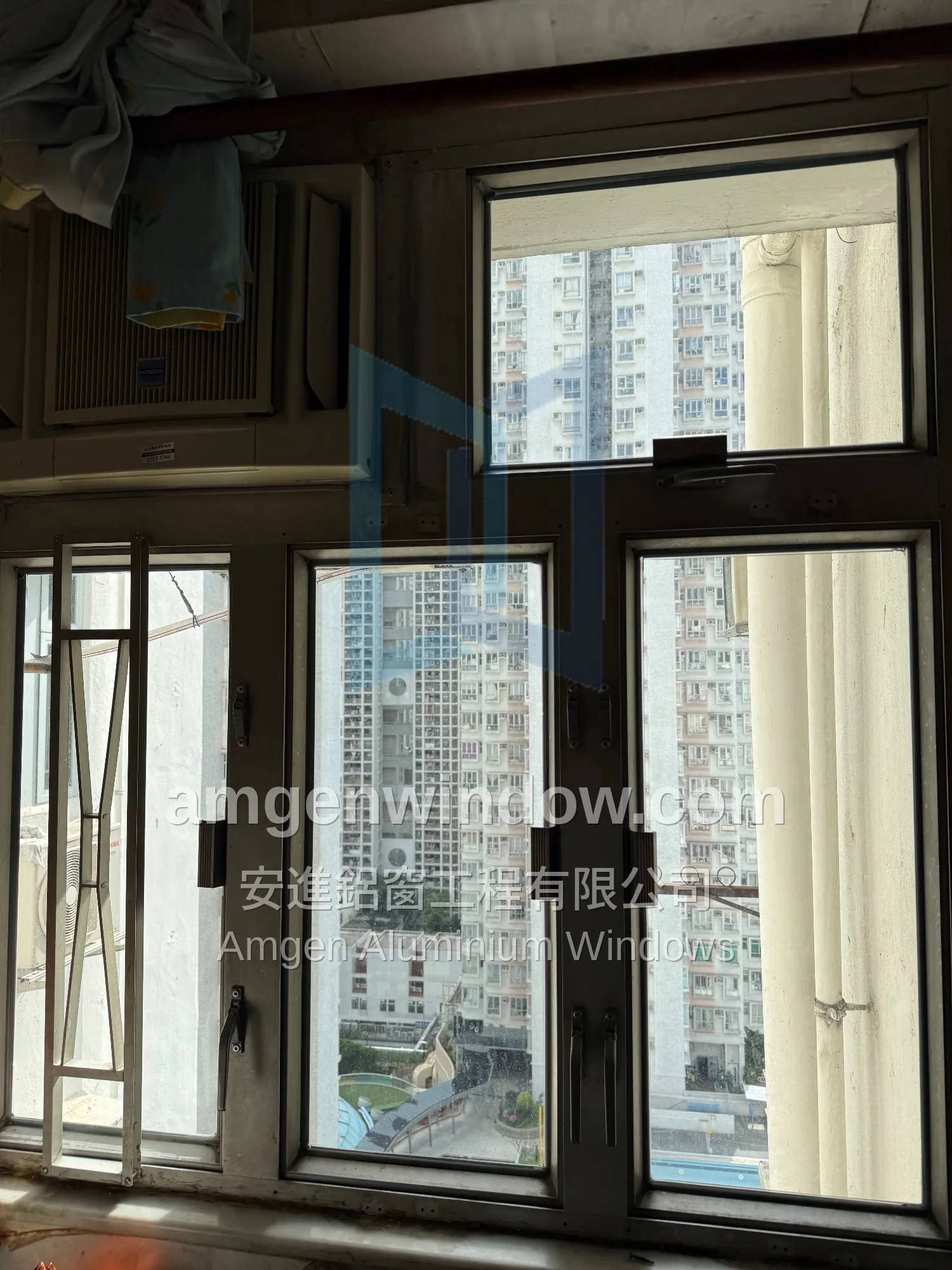
 On Hong Building, Tsuen Wan — Four-Treasure Works
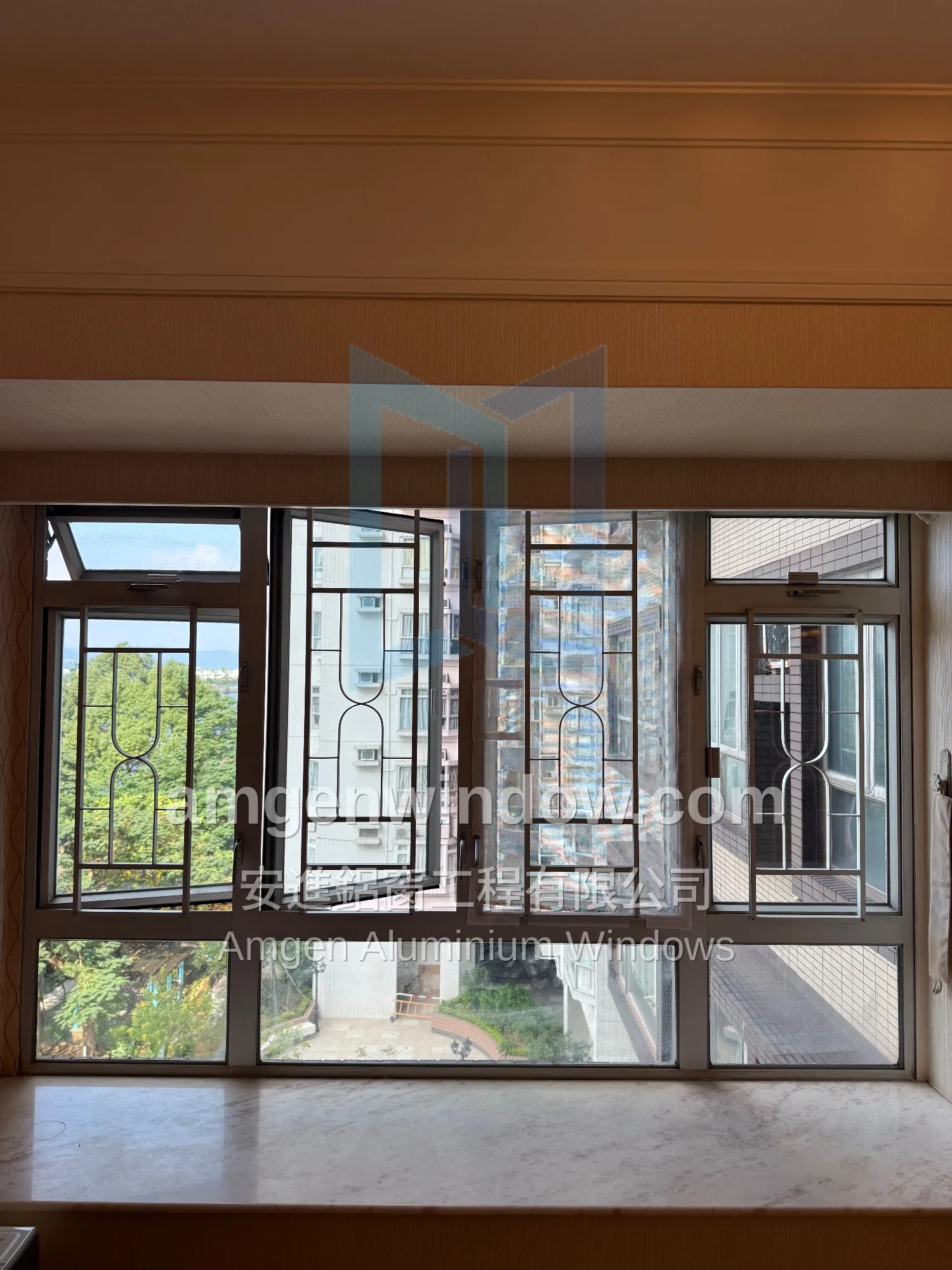 Garden Vista, Sha Tin — Four-Treasure Works
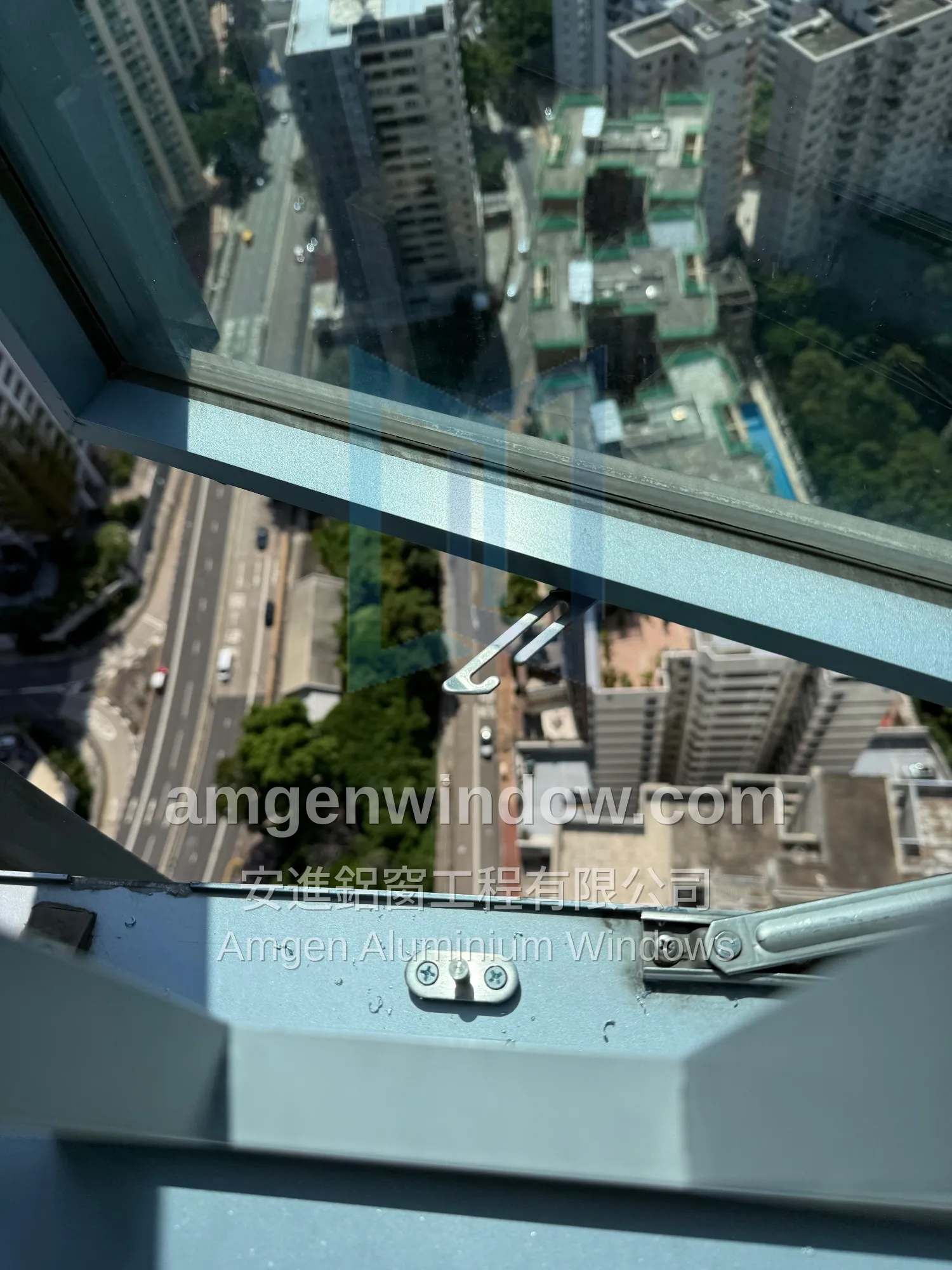 Celestial Heights, Ho Man Tin — Window Anti-Wind Clip Installation
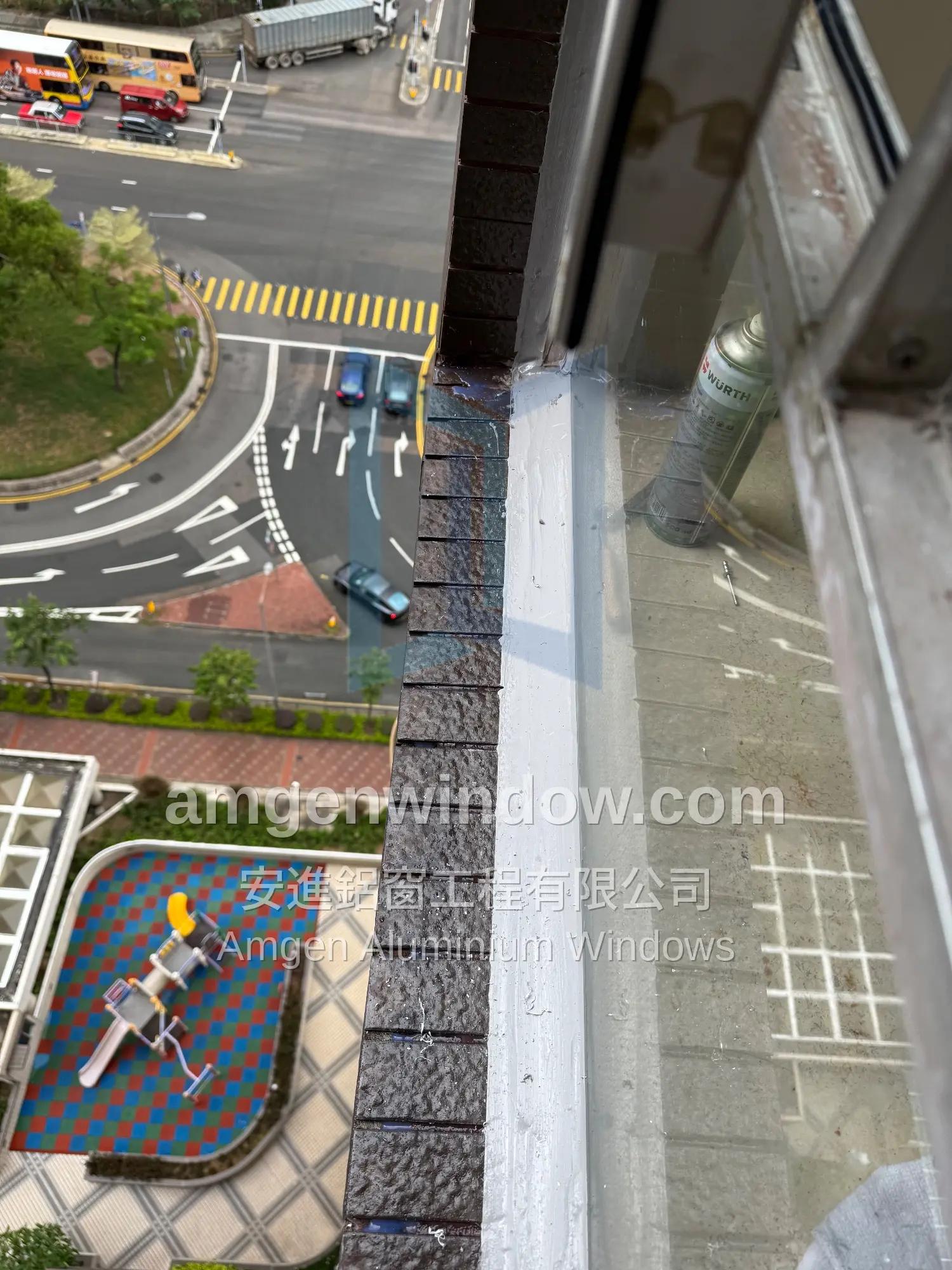 Garden Vista, Sha Tin — Four-Treasure Works and Full-Flat Window Waterproofing
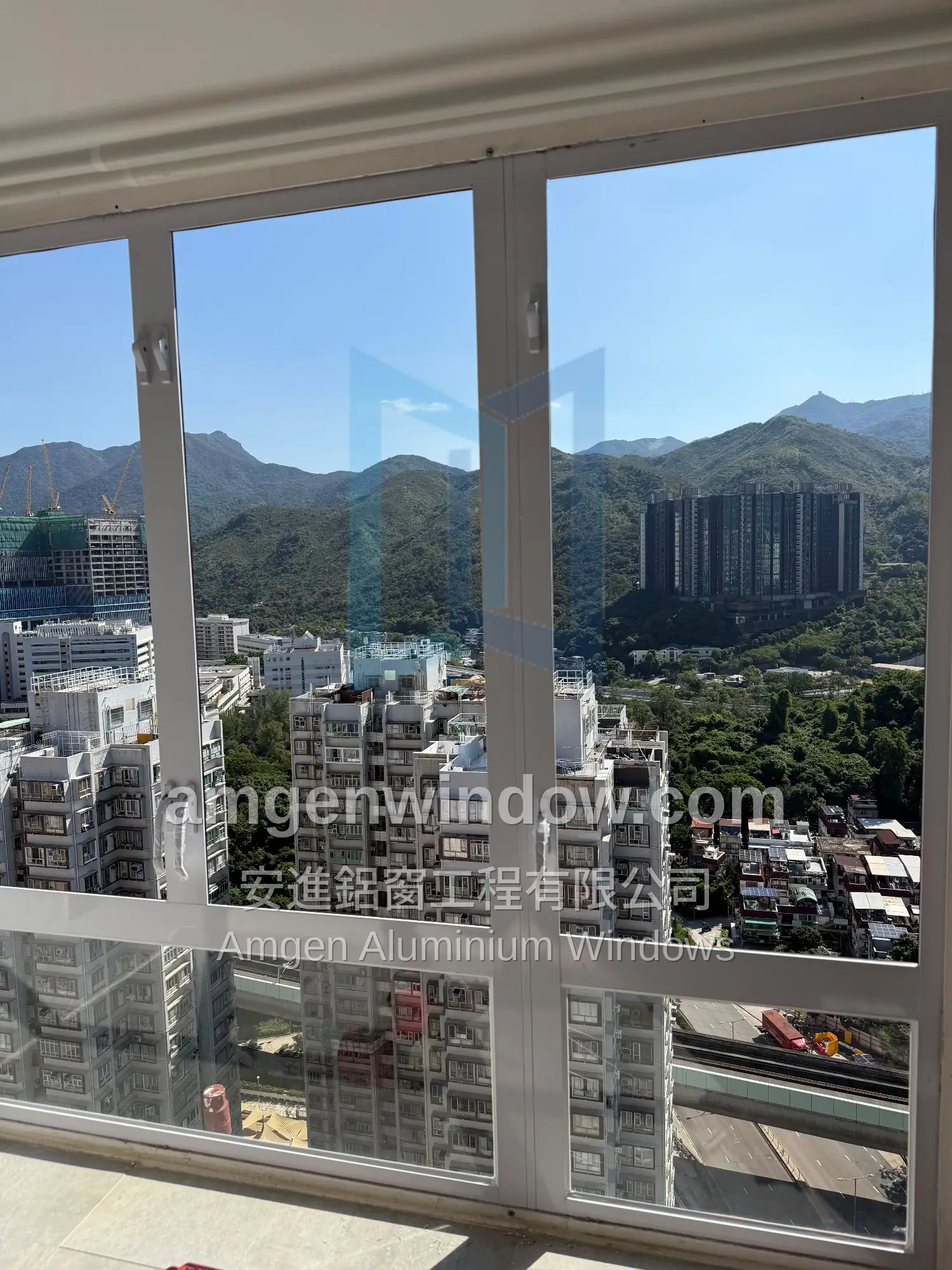 Tsui Wah Garden, Sha Tin — Sleeve Window Installation and Window Waterproofing
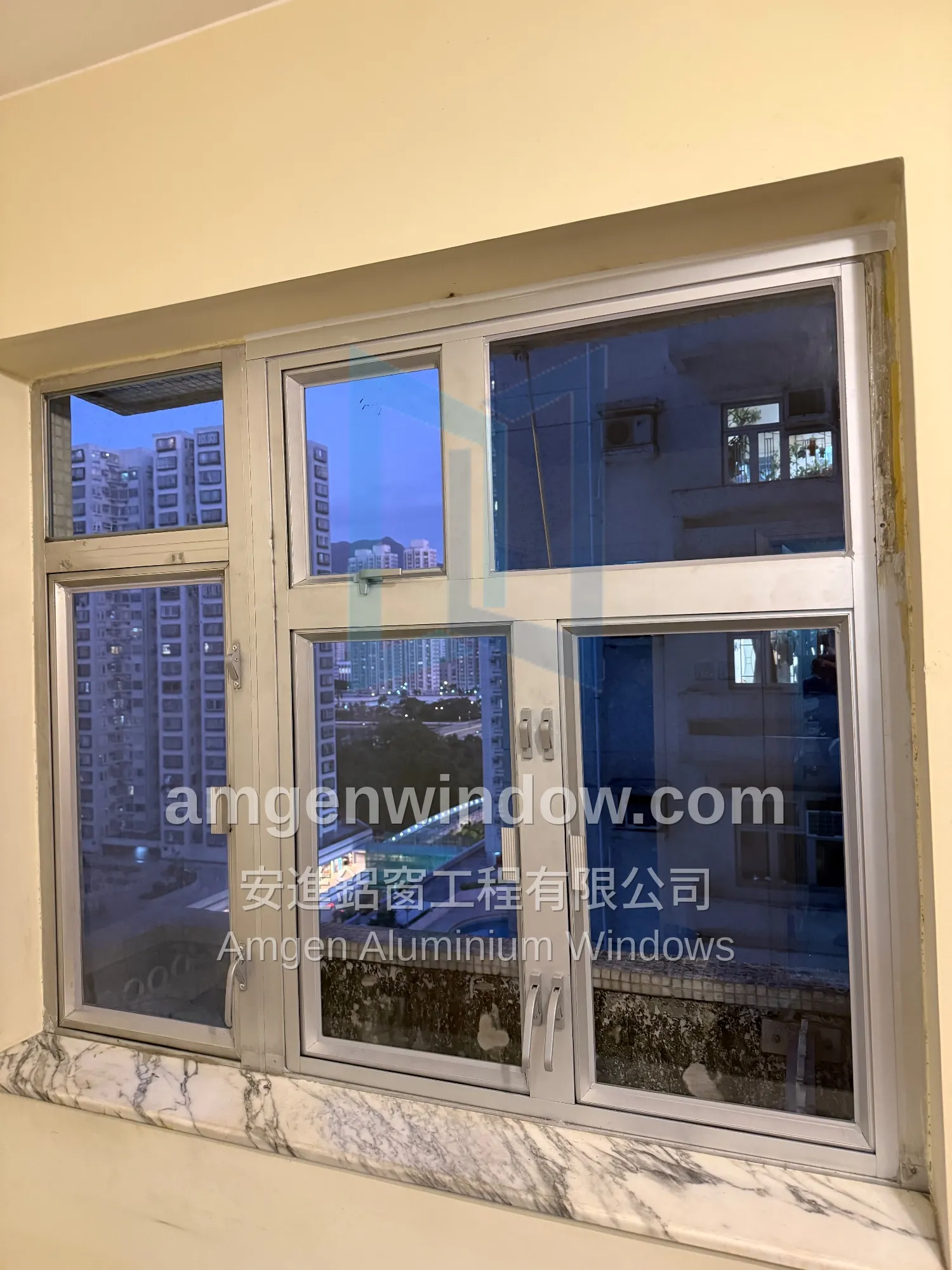 Ka Ning House, Shatin Centre — Four-Treasure Works, Full-Flat Window Waterproofing and Sleeve Window Installation
Service Overview
A sleeve window is a common way to replace windows in Hong Kong: the old frame fixed to the wall stays in place, and a complete new aluminium frame and sashes are fitted inside it. Because the old frame is not removed and the plaster around the window does not need to be broken out and patched with cement, the work is simpler than full frame removal, can usually be done from indoors without scaffolding, and a whole flat is typically finished in one to two days.
A sleeve window suits flats where the old frame is still sound and only the sashes, hardware or window style need updating. Because the new frame sits inside the old one, each side moves inward slightly and the usable window opening becomes a little smaller; if the old frame is loose or warped, or water is already seeping between the frame and the wall, a sleeve window will not fix it and full frame removal is the right choice.
When Amgen measures on site, we first check the condition of the old frame and whether the window edges are leaking, then recommend a sleeve window or frame removal and state the method on the quotation. During a sleeve window installation the joints between the old frame, new frame and wall are sealed as well; the new windows can be casement, sliding, projected or fixed windows, with standard, toughened, laminated, insulated or insulated laminated glass.
Pricing
| Item | Charge |
|---|---|
| Sleeve window (new frame and sashes, supply and install) | From $3,500 |
| Old frame removal | Not needed |
| Scaffolding | Usually not needed |
- *The final price depends on window size, style, frame profile and glass type; we quote item by item after measuring on site, and the method is stated on the quotation.
- *A sleeve window needs no frame removal (frame removal is usually from $1,000–$2,000 per sash) and is usually installed from indoors without scaffolding.
- *If the inspection finds the old frame is not suitable for a sleeve window, we explain why and quote separately for frame removal and replacement.
- *All sleeve window works carry a 3-year warranty.
What's Included
- ✓Original frame kept, brand-new aluminium frame and sashes fitted inside it
- ✓No frame removal or cement patching, less dust and noise
- ✓Usually installed from indoors, no scaffolding
- ✓A whole flat is typically finished in one to two days
- ✓Joints between old frame, new frame and wall sealed as part of the job
- ✓Window style, opening direction and glass type can be changed at the same time
- ✓Old frame checked on site to decide between a sleeve window and frame removal
- ✓Installed by licensed technicians, 3-year warranty
Why Choose Amgen
- ★Saves the cost of frame removal, plaster repair and, in most cases, scaffolding
- ★Short works period, suitable for flats that are already lived in
- ★Carried out by licensed contractor MWC 316/2021, with a 3-year warranty
- ★The method is stated on the quotation and not changed afterwards
What to Know About Sleeve Windows
Sleeve window or full frame removal?
Process: a sleeve window keeps the old frame and fits a new frame and sashes inside it; full frame removal takes out the old frame, clears the opening back to the structure, installs the new frame and patches with cement.
Cost: a sleeve window needs no frame removal (usually from $1,000–$2,000 per sash) or plaster repair, and in most cases no scaffolding, so the overall cost is lower.
Time: a whole flat is typically finished in one to two days with sleeve windows; frame removal involves masonry work and takes longer.
Opening size: with a sleeve window each side moves inward slightly; frame removal keeps the original opening size.
Waterproofing: a sleeve window seals the joints between the old and new frames; seepage between the old frame and the wall can only be fully dealt with by removing the frame.
Sleeve window vs frame removal prices compared →When is a sleeve window not suitable?
The old frame is loose, warped or badly oxidised: fitting a new frame over it only seals the problem inside.
Water is already seeping between the frame and the wall: a sleeve window cannot deal with leaks at the wall joint, so the source of the seepage should be found first.
Old iron windows: oxidation usually already affects the frame itself, so removing the frame and fitting aluminium windows is generally more suitable; an on-site assessment is needed.
The sill is sloped or the frame is too narrow: the new frame may not be fixed securely.
7 clues to window edge seepage →Does a sleeve window need to be declared?
The Buildings Department currently has no declaration requirement specific to sleeve windows, and a sleeve window is not unlawful works in itself.
If the works involve removing the old frame, installing a new frame and patching with cement, they count as a full aluminium window replacement and must be declared as Class II minor works: Form MW03 at least 7 days before work starts, and Form MW04 within 14 days of completion. Private buildings file with the Buildings Department; public rental, HOS and Tenants Purchase Scheme estates file with the Independent Checking Unit (ICU).
Amgen is a Class II Registered Minor Works Contractor (MWC 316/2021); we state the method on the quotation and can handle all the documents if a declaration is needed.
Minor works declaration for aluminium windows →Installation process
On-site measurement: we check the old frame and whether the window edges are leaking, measure up and recommend a method.
Quotation: window style, frame profile, glass type and method are all listed.
Fabrication: new frames usually take about two to three weeks, depending on style and quantity.
Installation: the new frame and sashes are fitted from indoors, fixed to the old frame and adjusted.
Waterproofing and checks: the joints between old frame, new frame and wall are sealed, and opening and closing are tested on completion, with a 3-year warranty.
Suitable For
Frequently Asked Questions
Is a sleeve window a good idea?
It depends on the old frame. If the frame is sound and the window edges are not leaking, a sleeve window gets you new windows in less time and at lower cost; if the frame is loose or warped, or the window edges are already leaking, full frame removal is the better choice. Amgen only recommends a method after checking on site.
How much does a sleeve window cost?
Sleeve windows start from $3,500, priced by window size, style, frame profile and glass type, and quoted item by item after an on-site measurement. With no frame removal or plaster repair, and in most cases no scaffolding, the overall cost is generally lower than full frame removal.
Is a sleeve window illegal? Does it need to be declared?
A sleeve window is not unlawful in itself, and there is currently no legislation specifically regulating sleeve windows. The Buildings Department currently has no declaration requirement specific to sleeve windows; if the works involve removing the old frame, reinstalling and patching with cement, they count as a full aluminium window replacement and must be declared as Class II minor works.
How much smaller will the window be after a sleeve window?
The new frame sits inside the old one, so each side moves inward slightly; the exact amount depends on the old and new frame sizes and is explained during the on-site measurement. The opening becomes a little smaller, but this generally does not affect ventilation.
Does a sleeve window need scaffolding?
It is usually installed from indoors with no scaffolding; large fixed glass panels or unusual positions need an on-site assessment.
Will a sleeve window leak afterwards?
The joints between the old and new frames are sealed; but if water is already seeping between the old frame and the wall, a sleeve window cannot fix it — the source of the seepage should be dealt with first, or the frame removed instead.
Can I change the window style and glass with a sleeve window?
Yes. The new windows can be casement, sliding, projected or fixed windows, with standard, toughened, laminated, insulated or insulated laminated glass; insulated and insulated laminated glass require a 50 profile frame.
What is the difference between an inner secondary window and a sleeve window?
An inner secondary window (內套窗) usually means adding another window on the inside of the existing one, which stays in place, mainly for noise reduction; a sleeve window keeps the old frame but replaces it with a brand-new frame and sashes, and the old sashes are removed.
⭐ No frame removal or cement patching: usually installed from indoors without scaffolding, a whole flat in one to two days