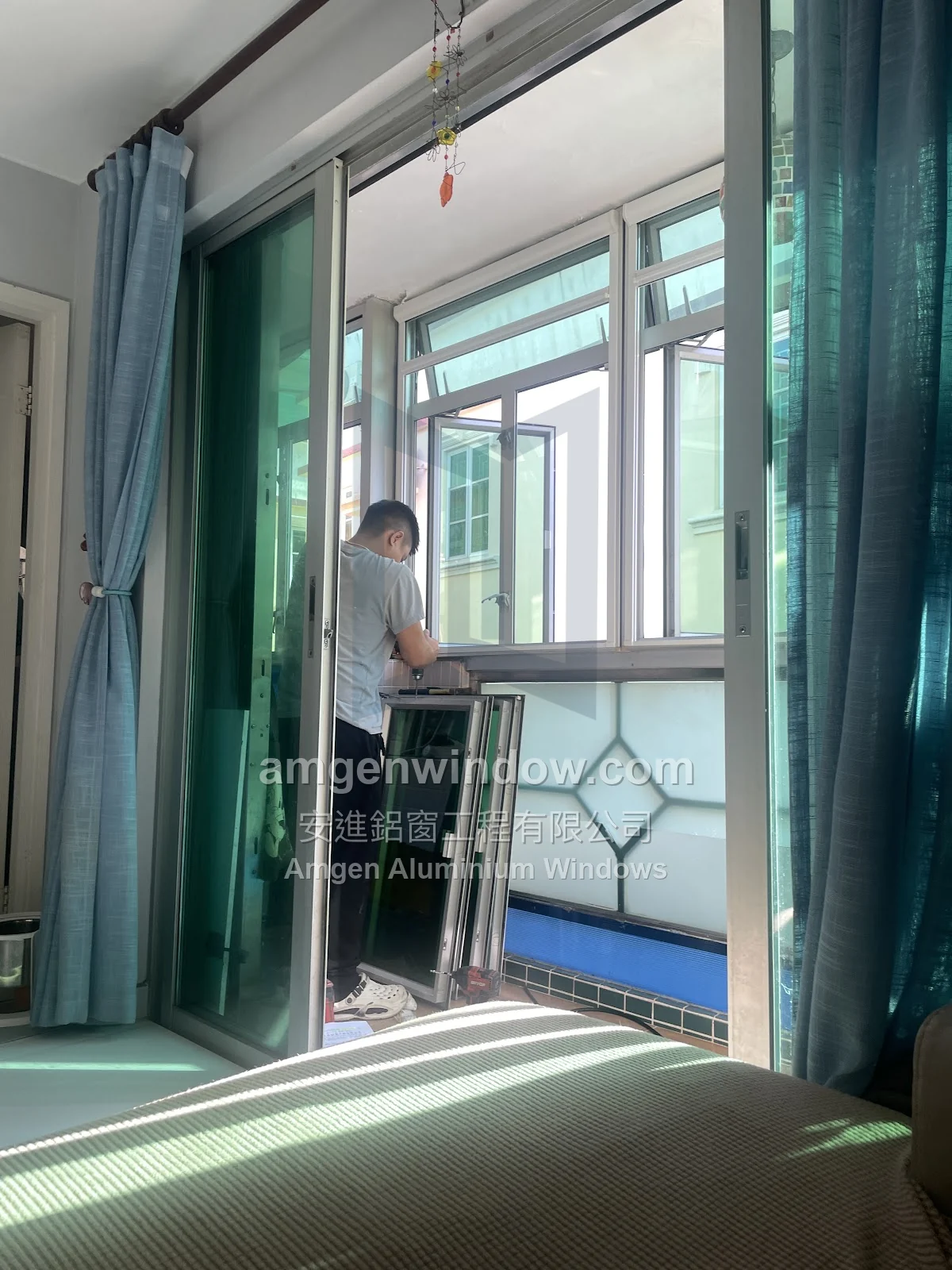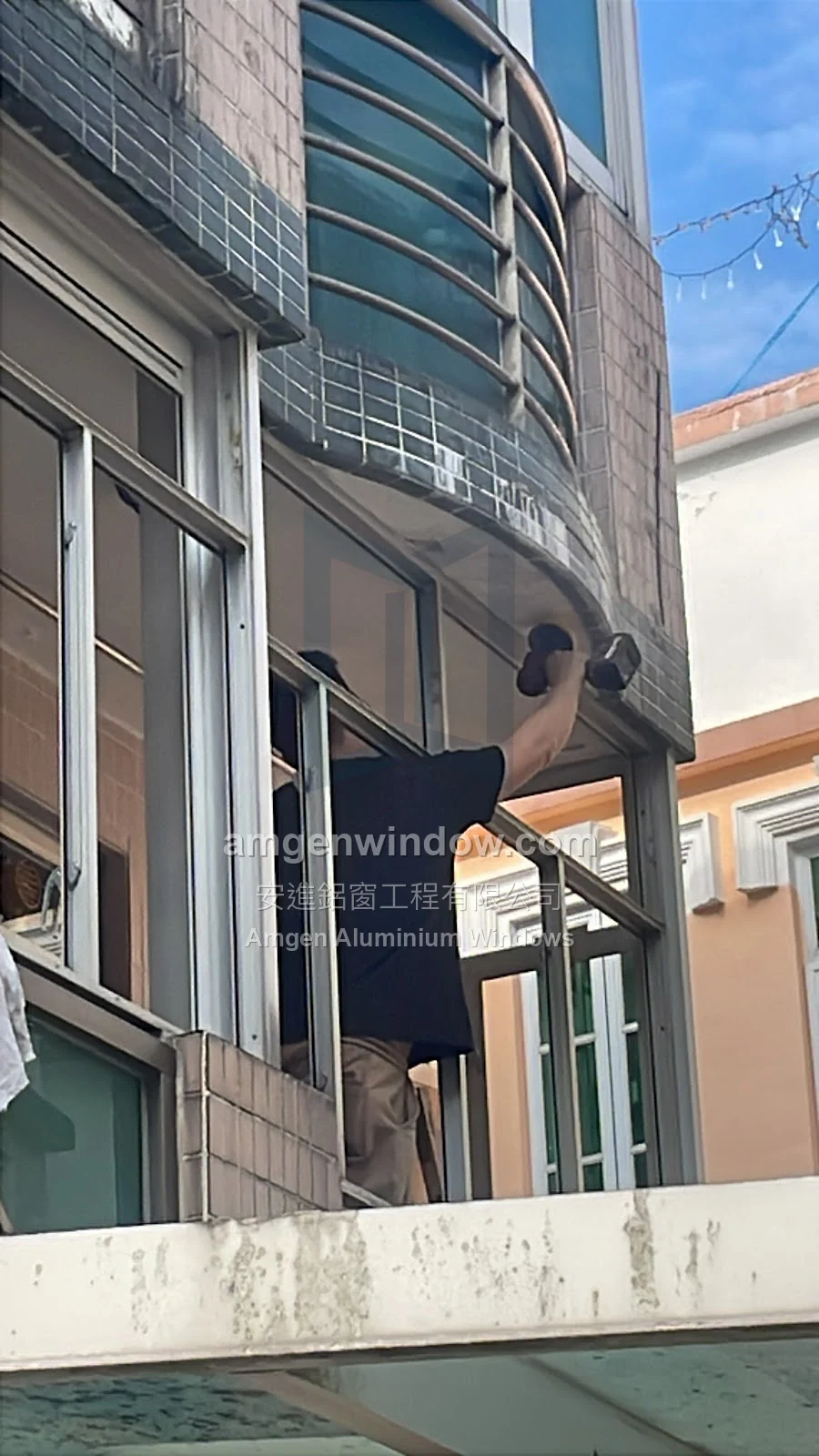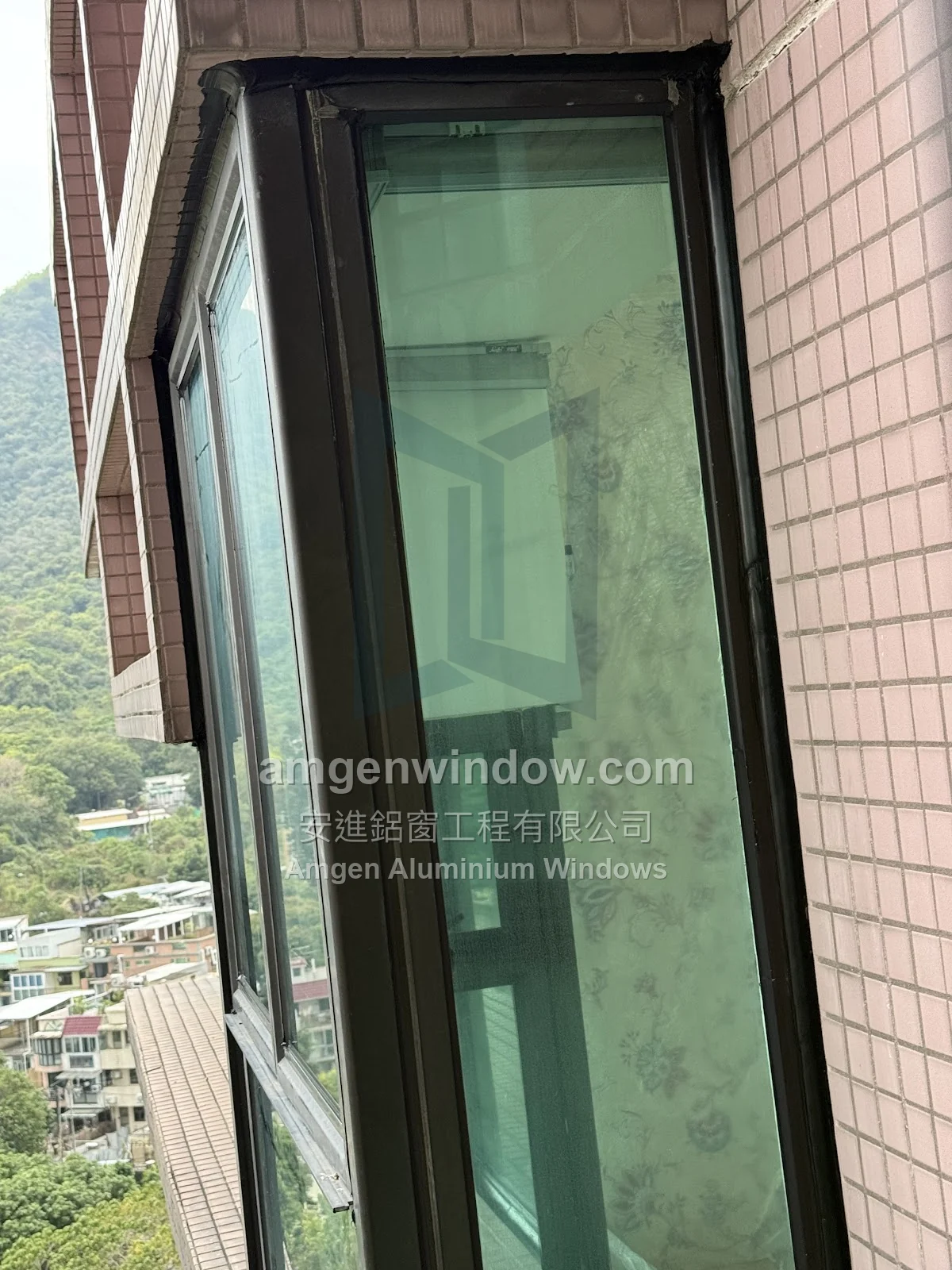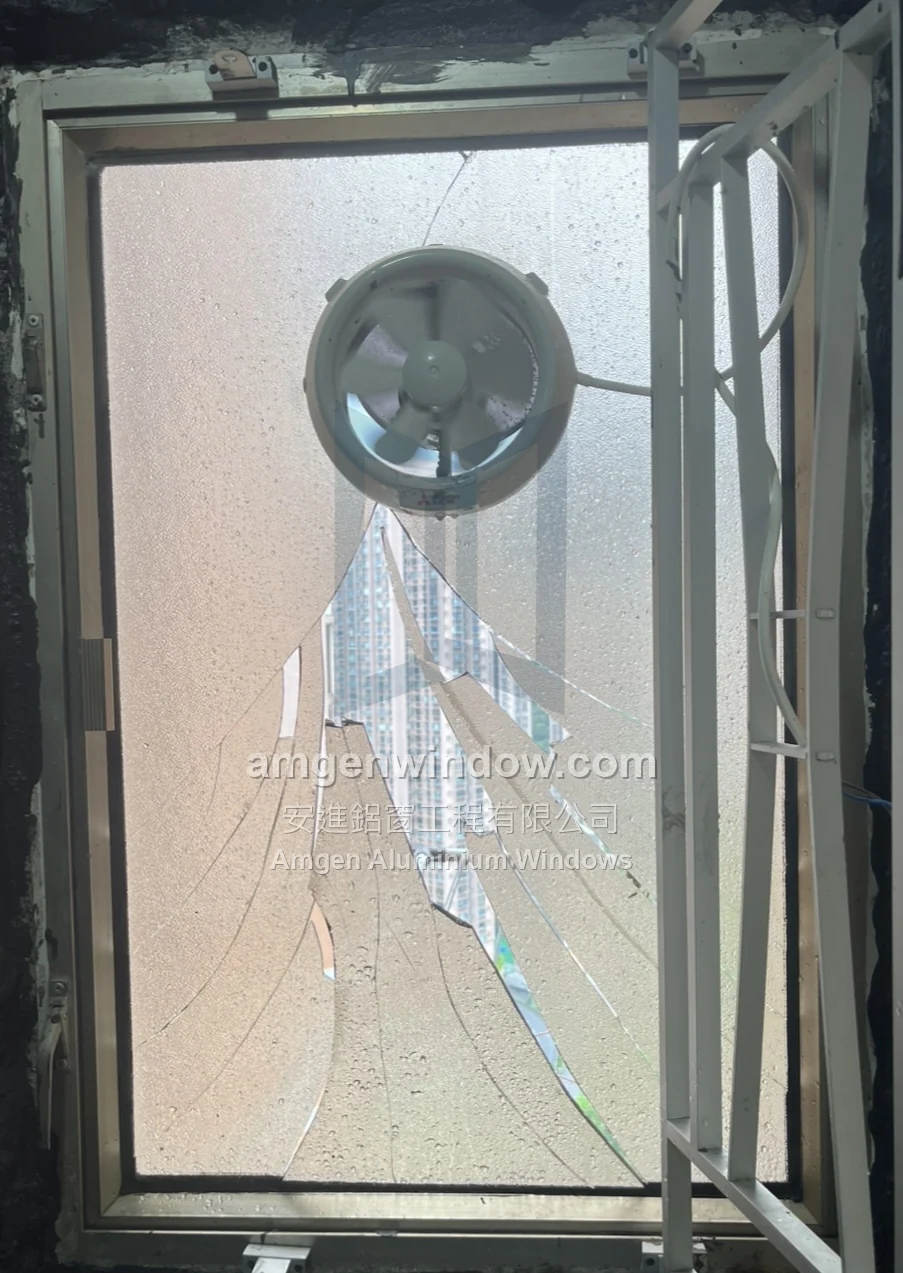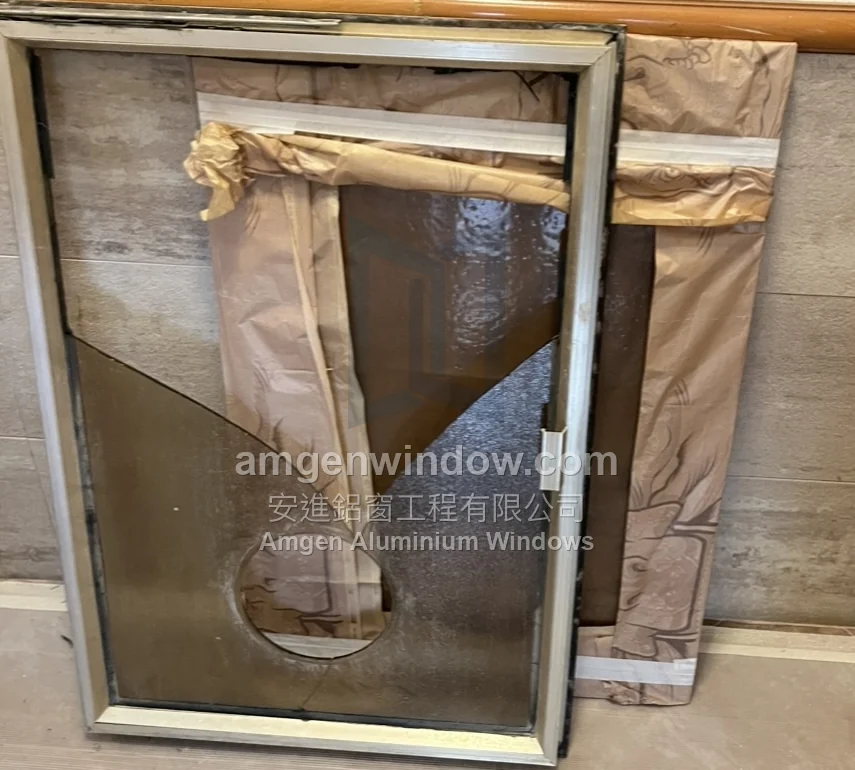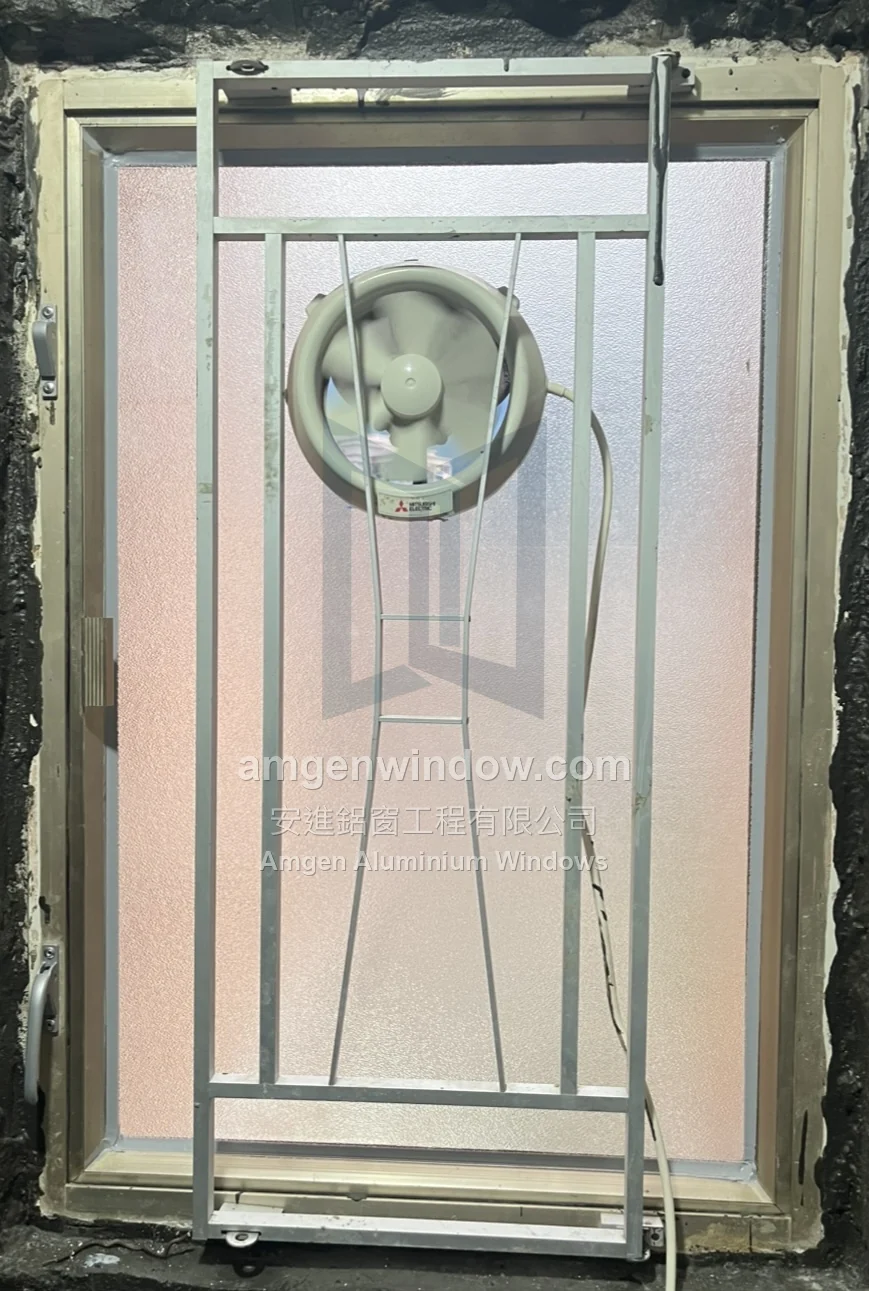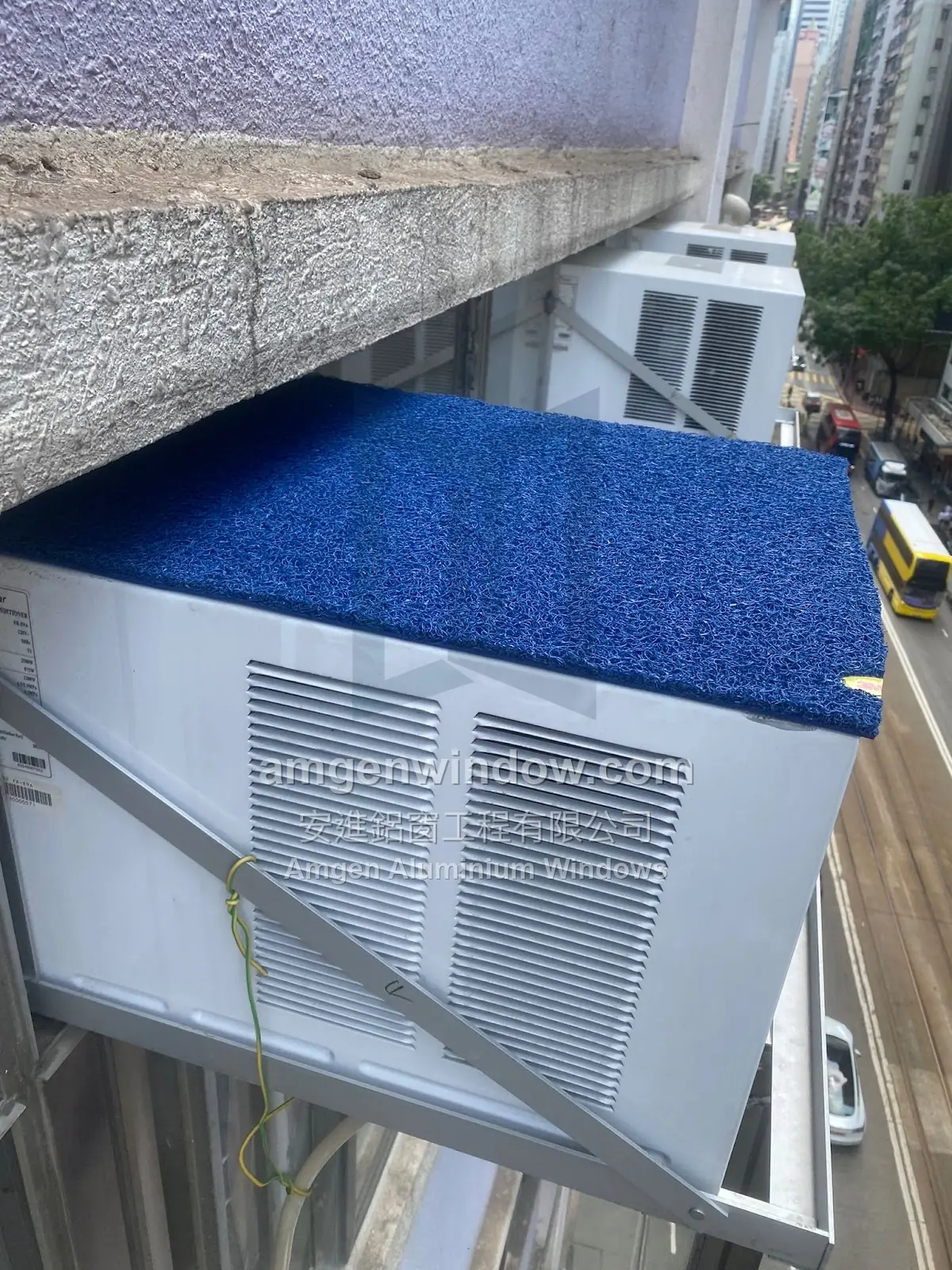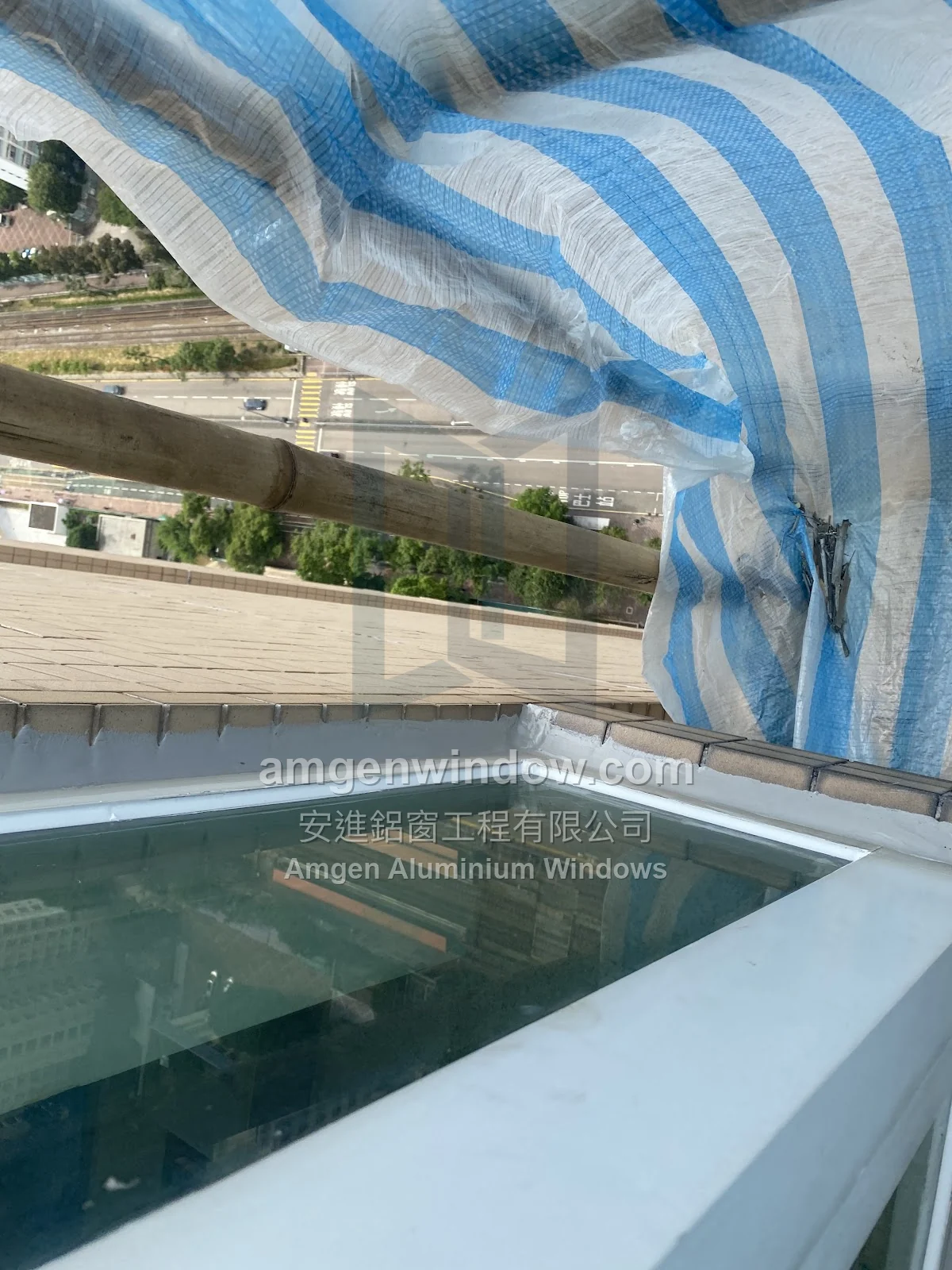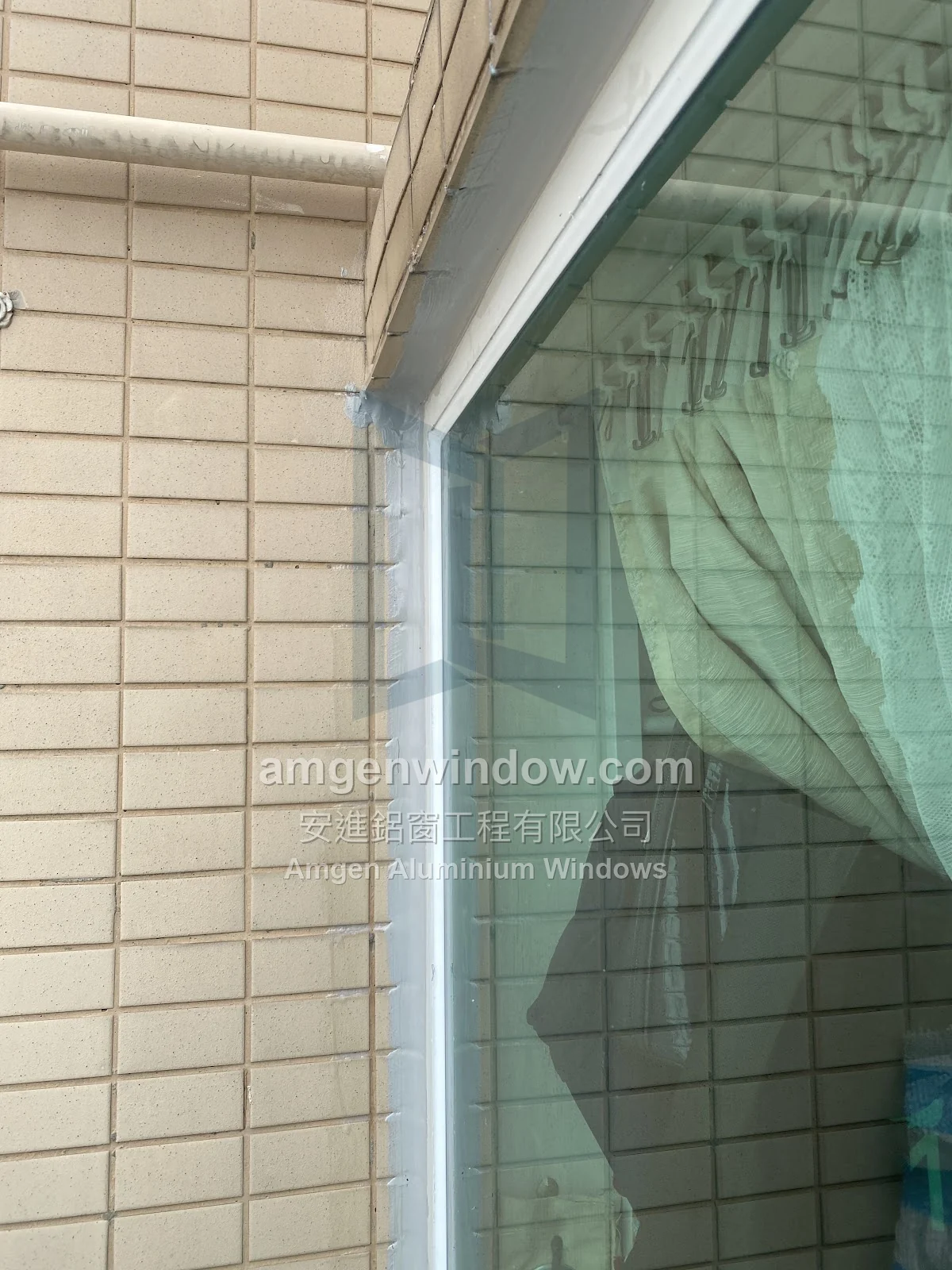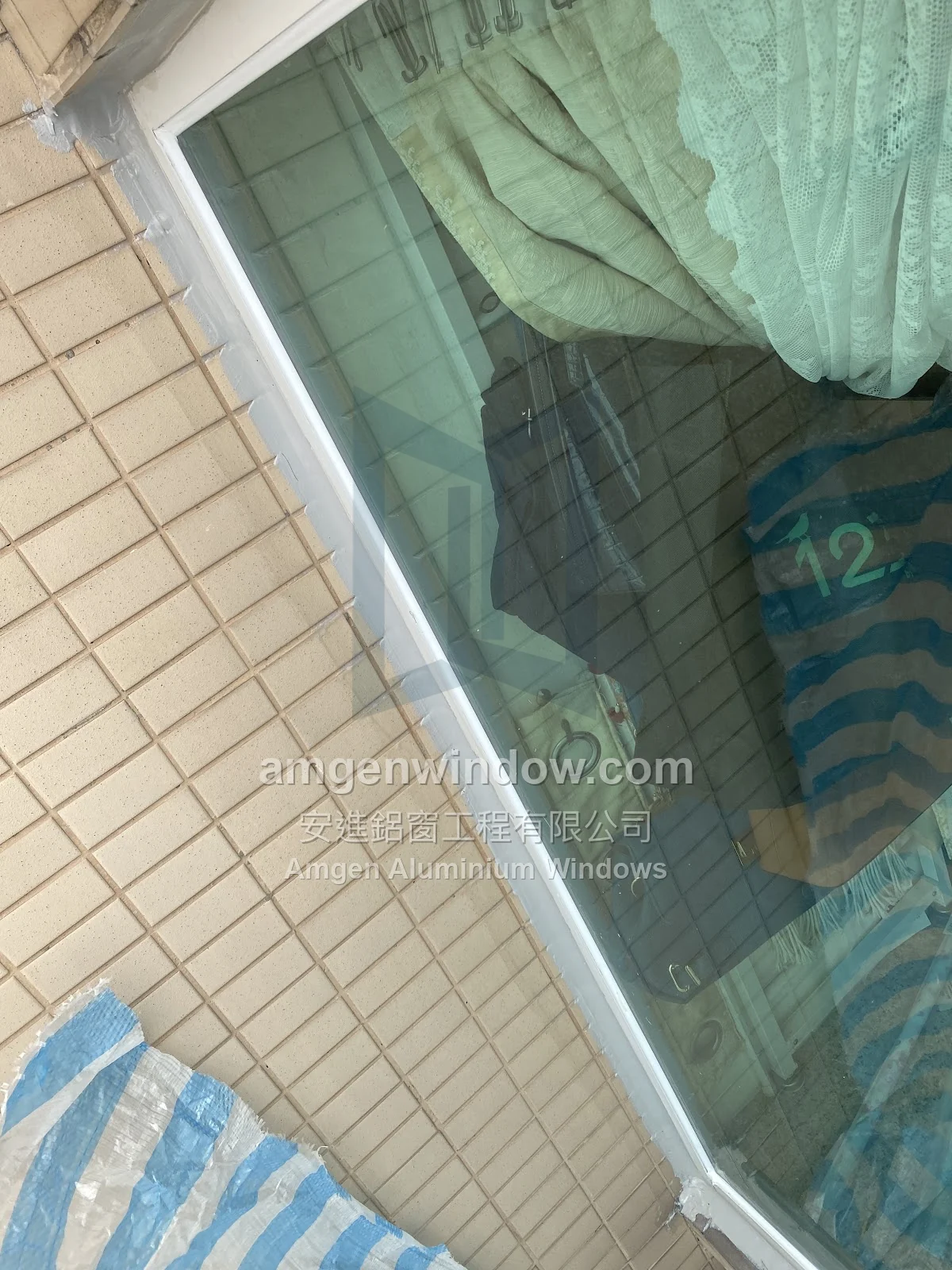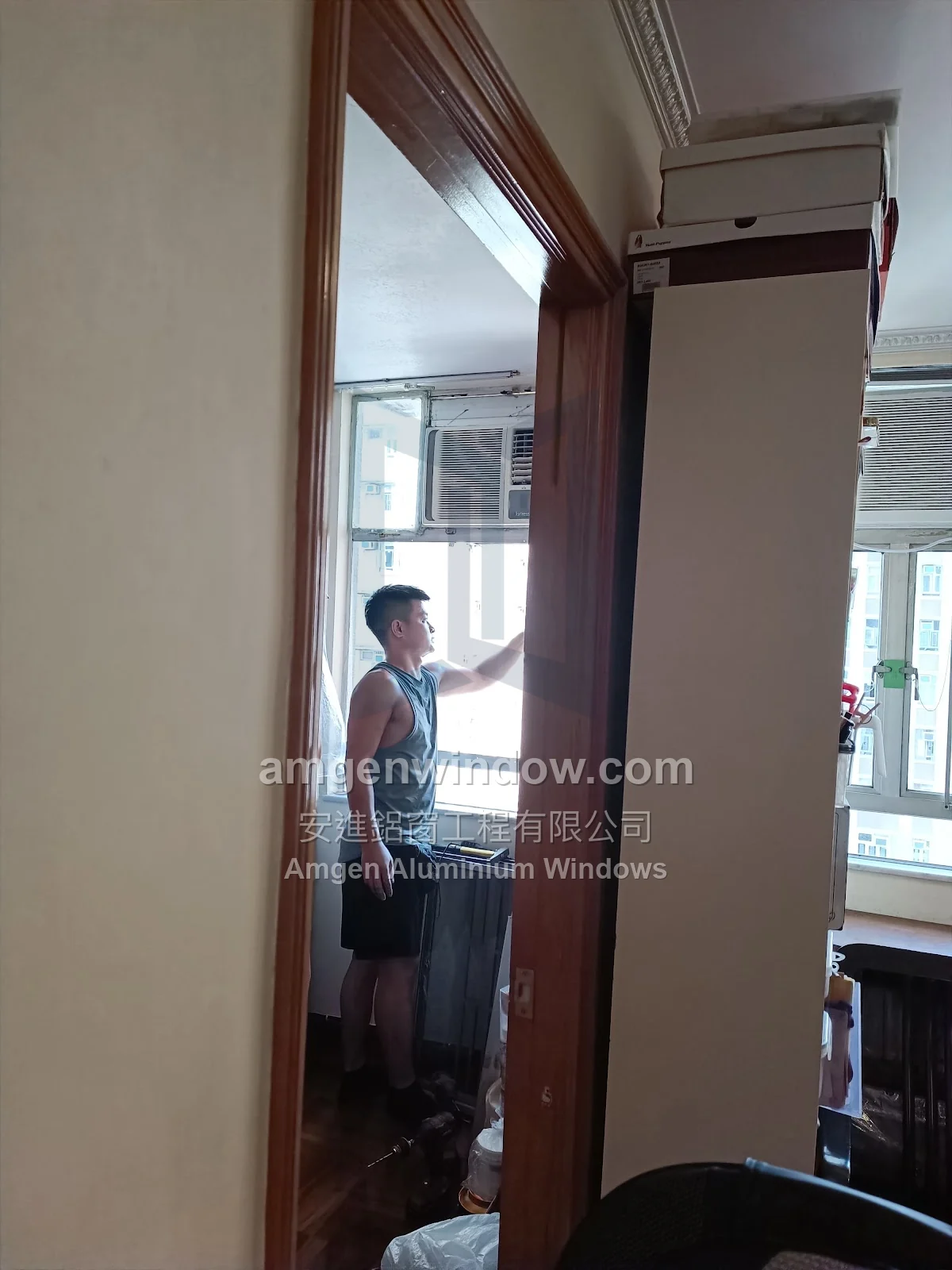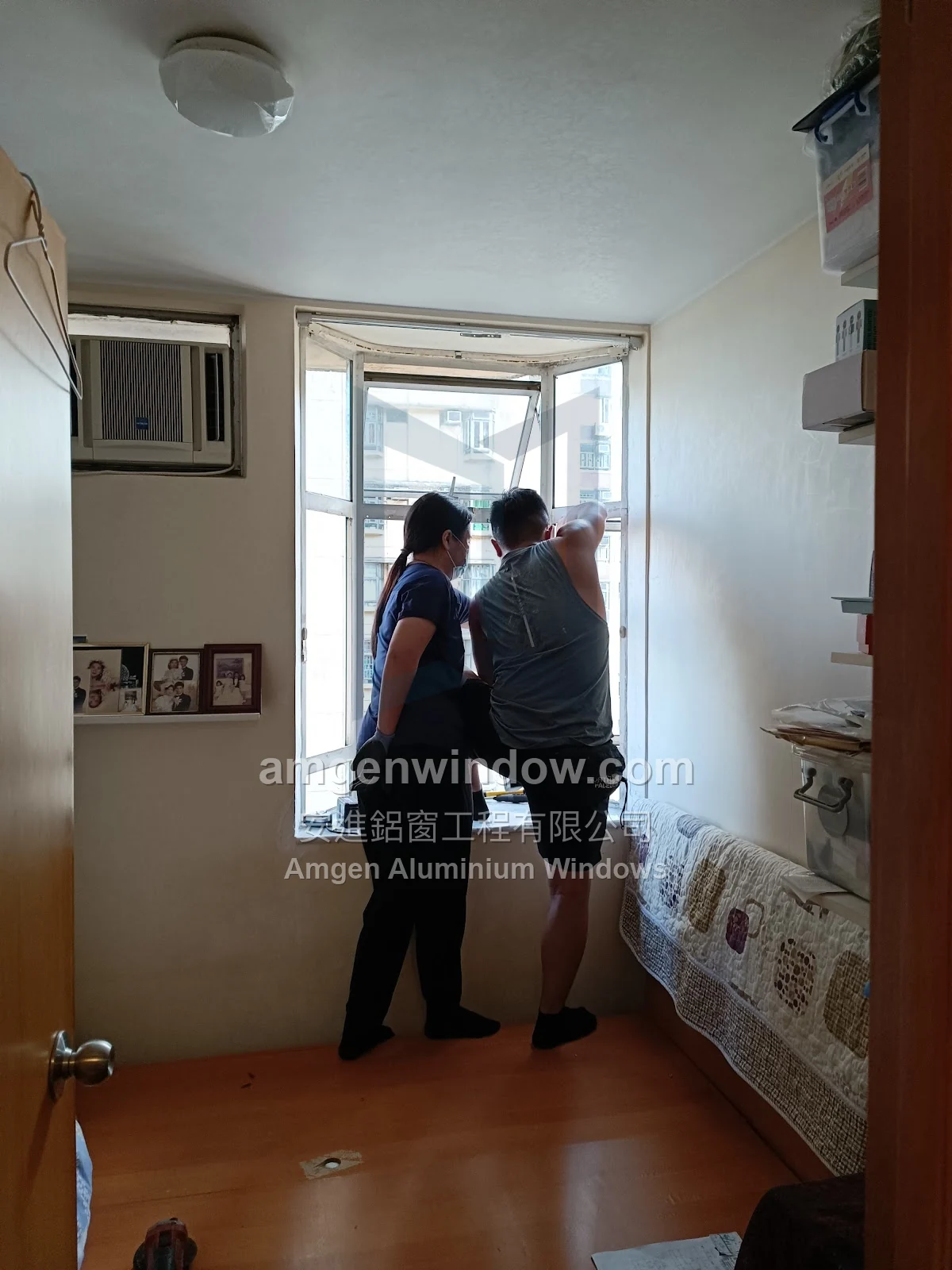
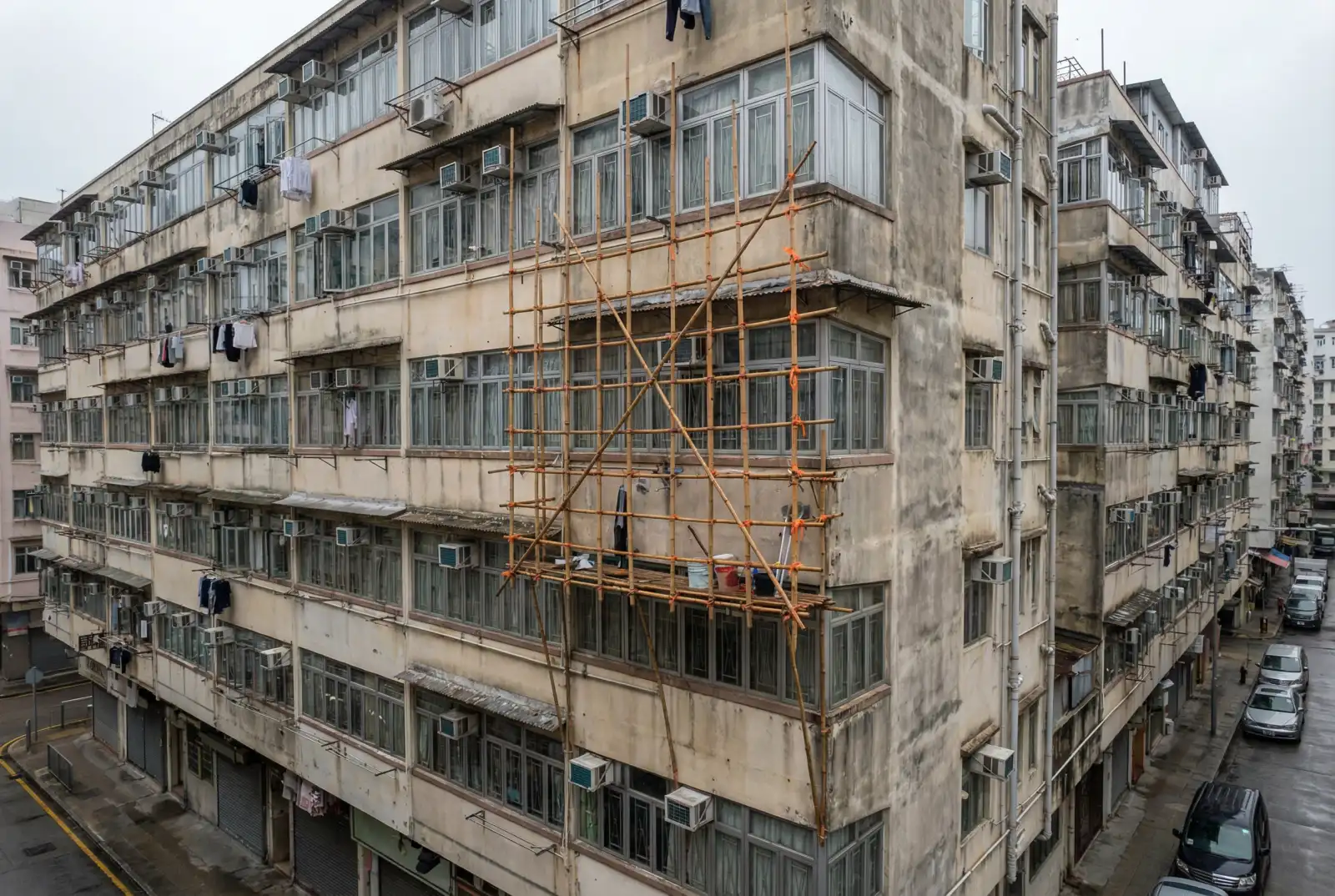
Step into many older Hong Kong flats and you'll see grids of window grilles outside the windows. They are both the first line of defence against burglary and an important barrier protecting children and pets from falling. However, traditional iron grilles oxidise over time, and when replacing aluminium windows they often leave owners in a bind: should the grille be removed? Will removing it compromise safety? This guide breaks down Hong Kong's window grille types, their security and fall-prevention roles, handling oxidised iron grilles, and how to deal with grilles during a window replacement.
What Are Window Grilles? Common Types in Hong Kong
Window grilles are metal lattices installed on the outside or inside of windows, mainly for security and fall prevention. The grilles common in Hong Kong homes fall broadly into the following types, differing in material and appearance.
The Two Roles of Window Grilles: Security vs Fall Prevention
Many owners think grilles are only for security, but in families with children, fall prevention is often the more pressing concern.
For security, solid iron or stainless steel grilles effectively deter climbing in through the window, especially for low floors, rooftops or units near podiums. For fall prevention, grilles or invisible guards stop young children from falling if they climb — a key part of home safety. For a full look at child fall prevention, see our child window fall-prevention safety guide.
It's worth noting that traditional sealed grilles, while strong on security, block ventilation and views; invisible grilles strike a balance between safety and openness, ideal for families who value the view but also need fall protection.
What to Do About Oxidised Iron Grilles?
Hong Kong has a marine climate — humid and salty — so iron grilles oxidise on the surface over time. At first it is just an appearance issue, but if left, the oxidation spreads and reduces structural strength, and in severe cases the grille can come loose, losing its security and fall-prevention function. This is the same issue as the iron-window oxidation common in public housing.
There are generally three directions for dealing with oxidised iron grilles:
When Replacing Aluminium Windows, How Should Grilles Be Handled?
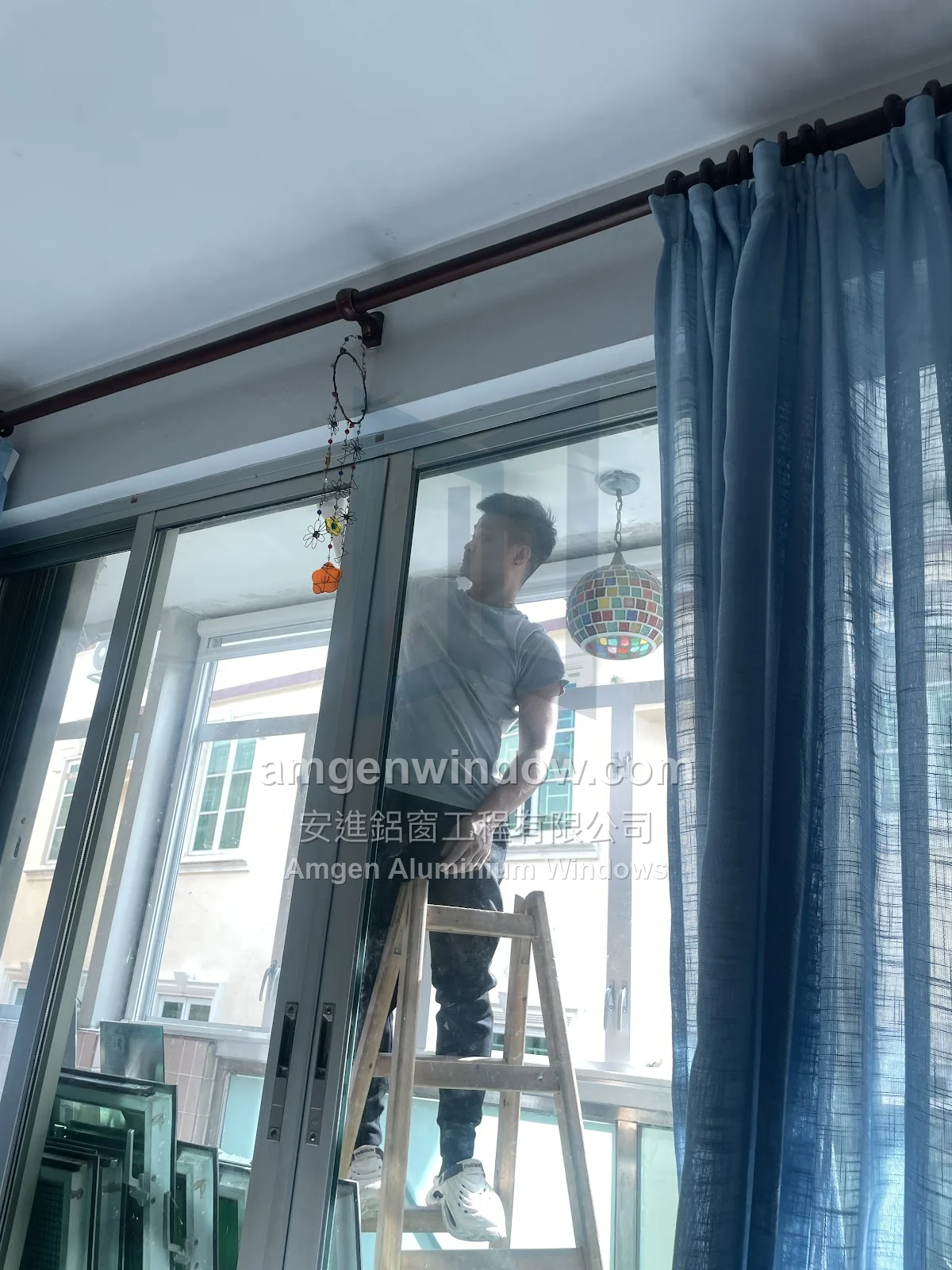
When a unit plans to replace its aluminium windows, the old grilles usually have to be dealt with too. Because grilles are mostly fixed to the window frame or wall, they must be removed first before new aluminium windows can be installed. Common approaches include:
| Approach | Suits |
|---|---|
| Remove and refit the existing grille | Grille in good condition; owner wishes to keep it |
| Remove the old grille and fit an invisible grille | Wanting to keep the view and ventilation while ensuring fall prevention |
| Replace iron grille together with the old window | Iron grille and frame both oxidised; better renewed as a whole |
Take public housing as an example: many units still have iron windows with iron grilles in the corridor or kitchen, and once oxidised, the most thorough solution is iron-to-aluminium window replacement, renewing the frame and protection together. Whether keeping, replacing or converting, it is best assessed by a licensed technician to ensure the removal and refitting are safe and the new window works well with the protection. To learn about replacement options, see our aluminium window replacement service.
Frequently Asked Questions (FAQ)
Do grilles have to be removed to replace windows?
In most cases, yes. Grilles are usually fixed to the window frame or wall, so old grilles must be removed before fitting new aluminium windows, then you decide whether to refit, replace or switch to an invisible grille. The technician will assess how to handle the grille during the on-site measurement.
Does installing grilles or guards require a Buildings Department declaration?
For private buildings, adding fixed metal grilles that alter the external wall or risk being unauthorised building works must observe the relevant Buildings Ordinance rules; an invisible grille is generally a lighter addition. A full aluminium window replacement is Class II Minor Works and must comply with the Class II declaration. For your specific situation, it is best to consult a licensed contractor first.
Invisible grilles or traditional grilles — which is better?
Each has pros and cons. Traditional grilles have strong burglary deterrence but block ventilation and views; invisible grilles are transparent and cover fall prevention, but their burglary deterrence is relatively weaker. Families with children who value the view often choose invisible grilles; those prioritising security or on low floors may consider solid grilles.
Can oxidised iron grilles just be repainted?
Minor oxidation can be sanded and repainted as a short-term fix, but painting cannot restore lost metal strength. If the oxidation is deep or the grille shows signs of coming loose, for safety you should consider switching to weather-resistant materials or an invisible grille rather than relying on paint alone.
Conclusion: Grilles Are About Safety — Plan Them Together Before Replacing Windows
Window grilles may seem unremarkable, but they carry two safety duties at once: security and fall prevention. Oxidised iron grilles should not be left, and when replacing aluminium windows you should plan the grille's fate at the same time, so the window and its protection are done together in one go.
If you need to install or replace window grilles or invisible grilles, or want old grilles handled together when replacing your aluminium windows, feel free to contact licensed contractor Amgen Aluminium Windows (MWC 316/2021). We offer a window grille and invisible grille installation service and can arrange a technician to assess your window and protection and recommend the most suitable solution. WhatsApp 6586 3435.

Want to know what the repair costs?
Pick the parts giving trouble and how many, and it becomes a clear enquiry — no need to describe it yourself.
Start a repair quote