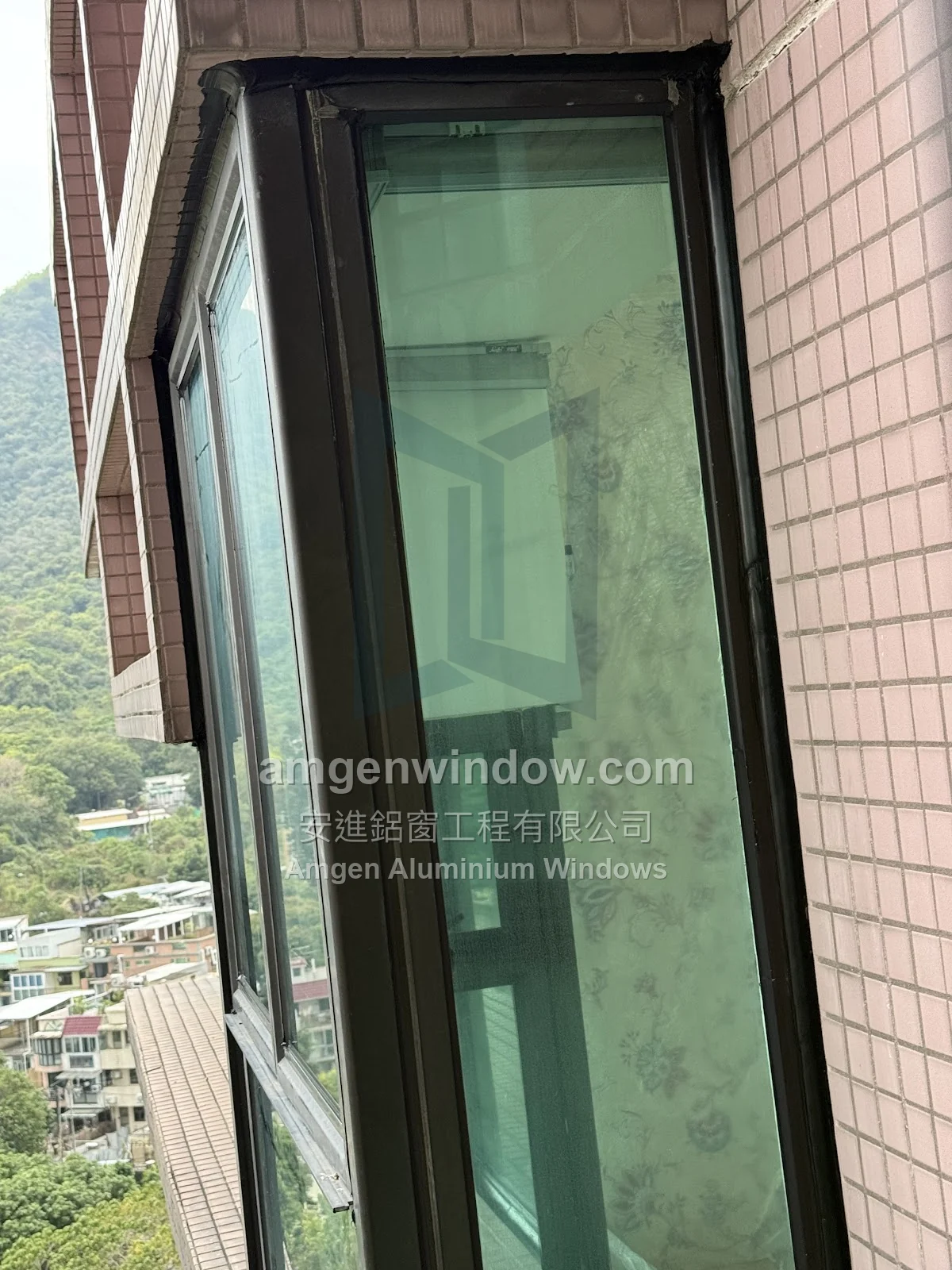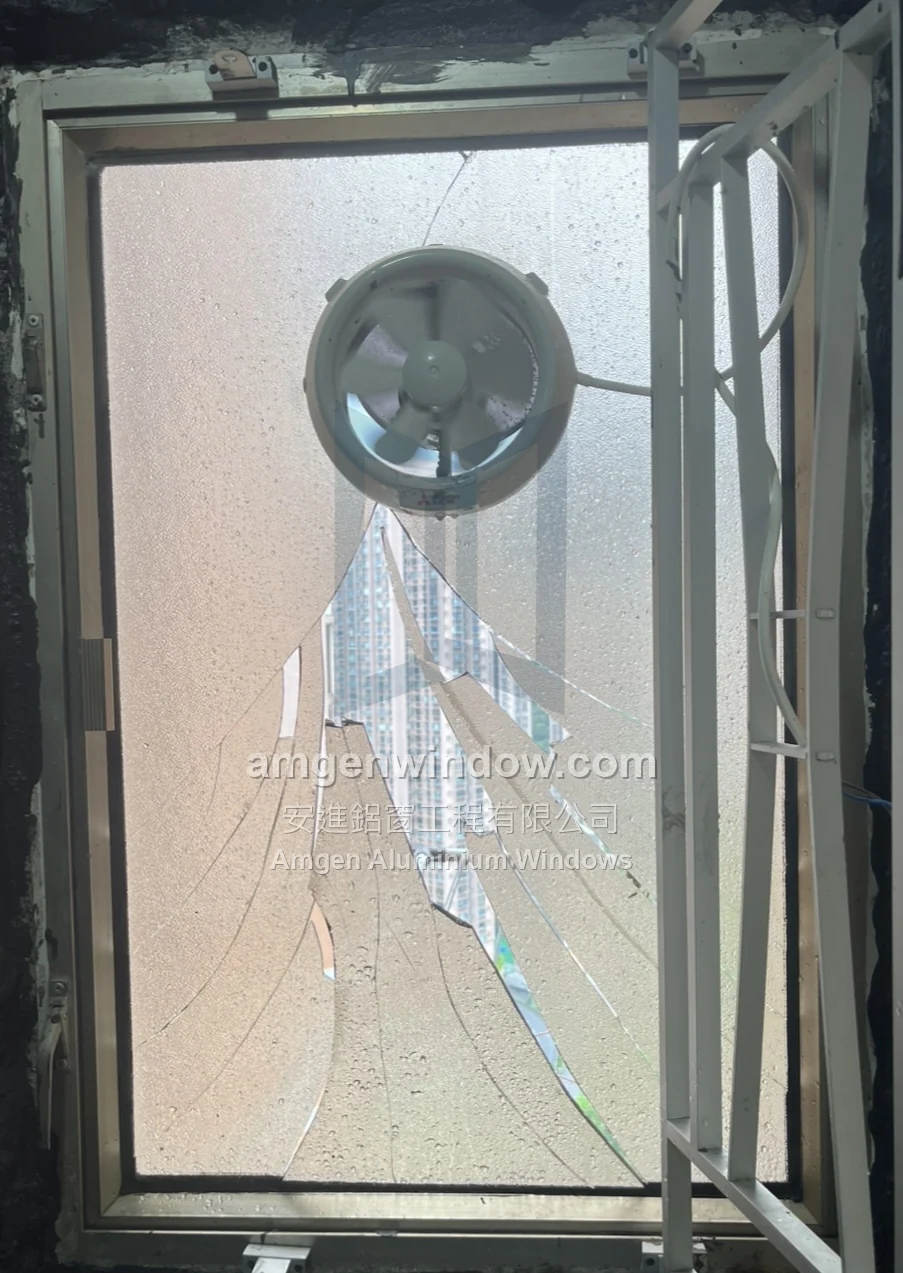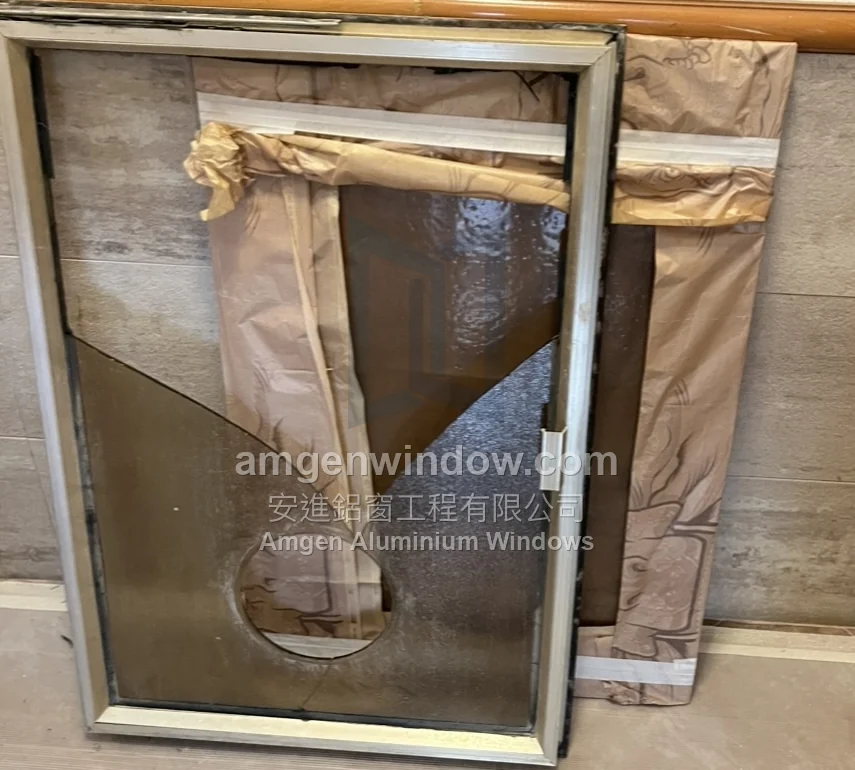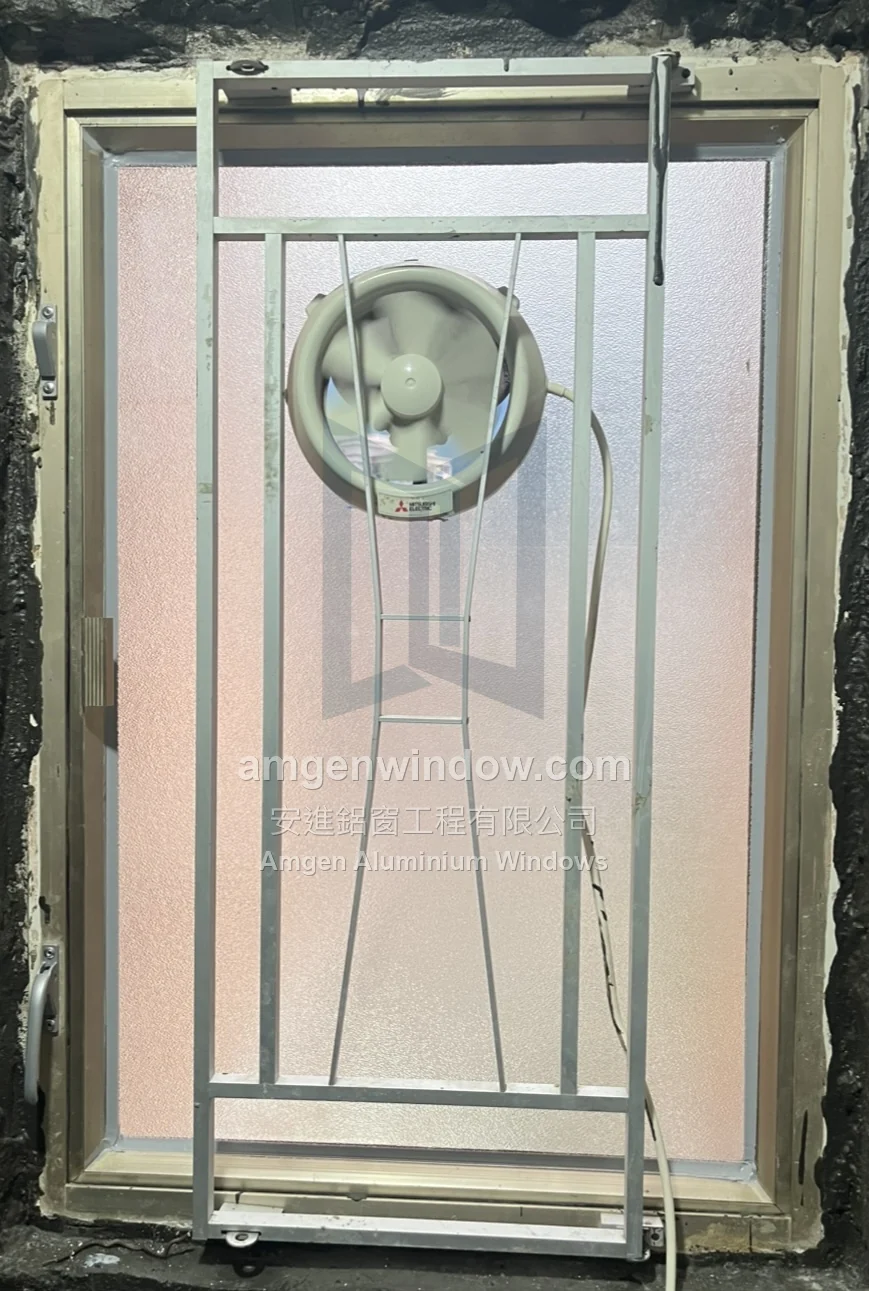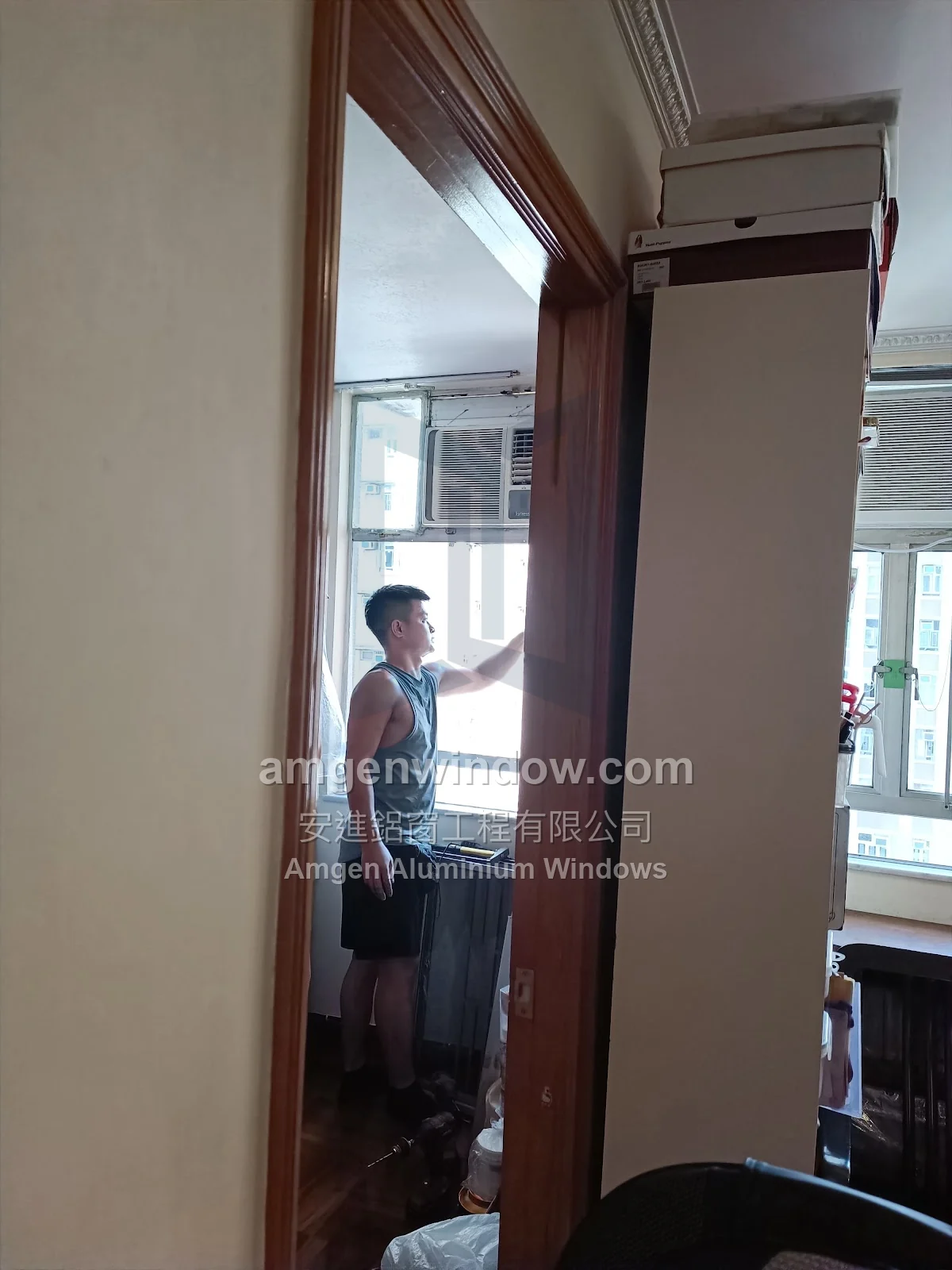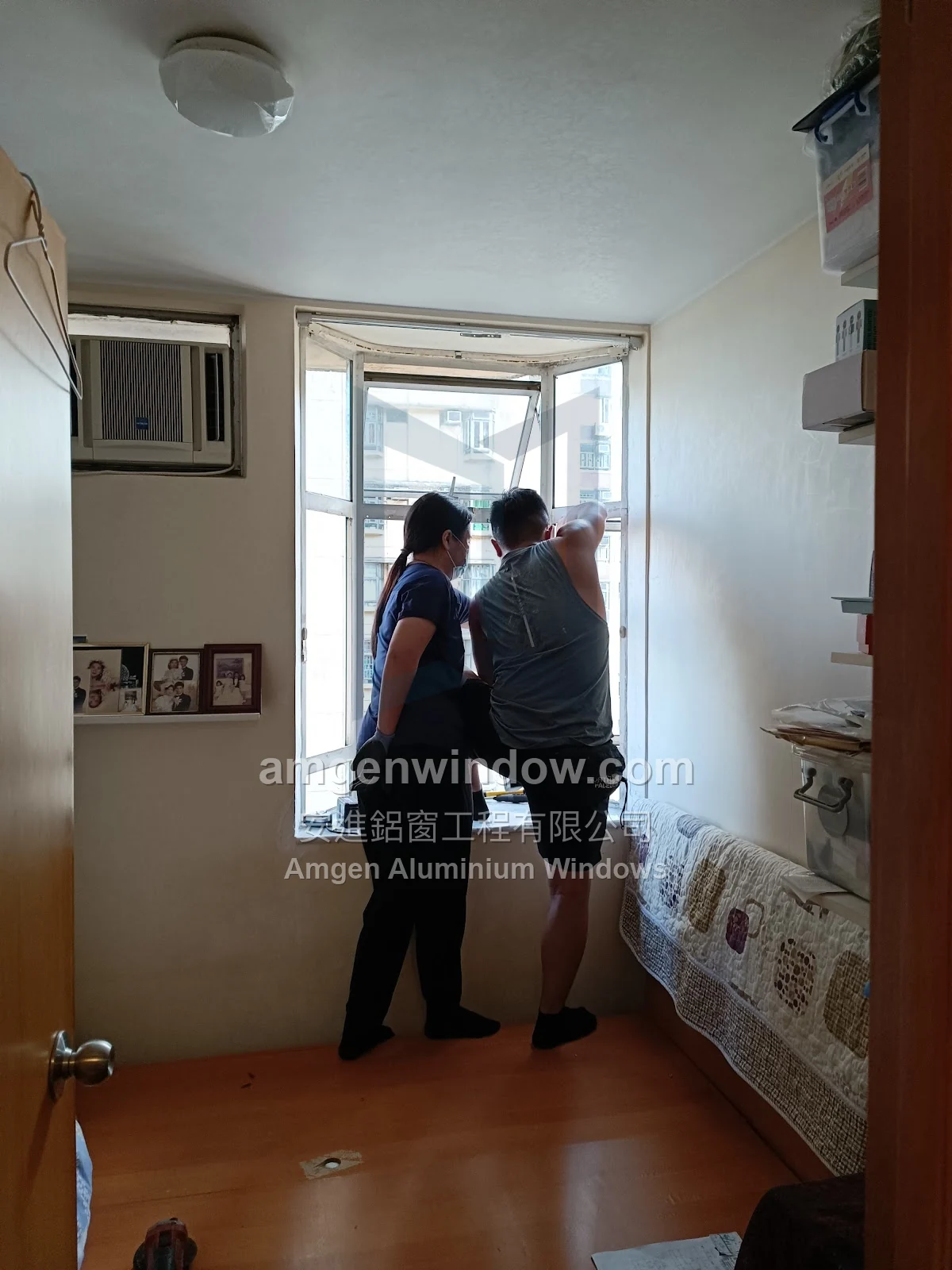
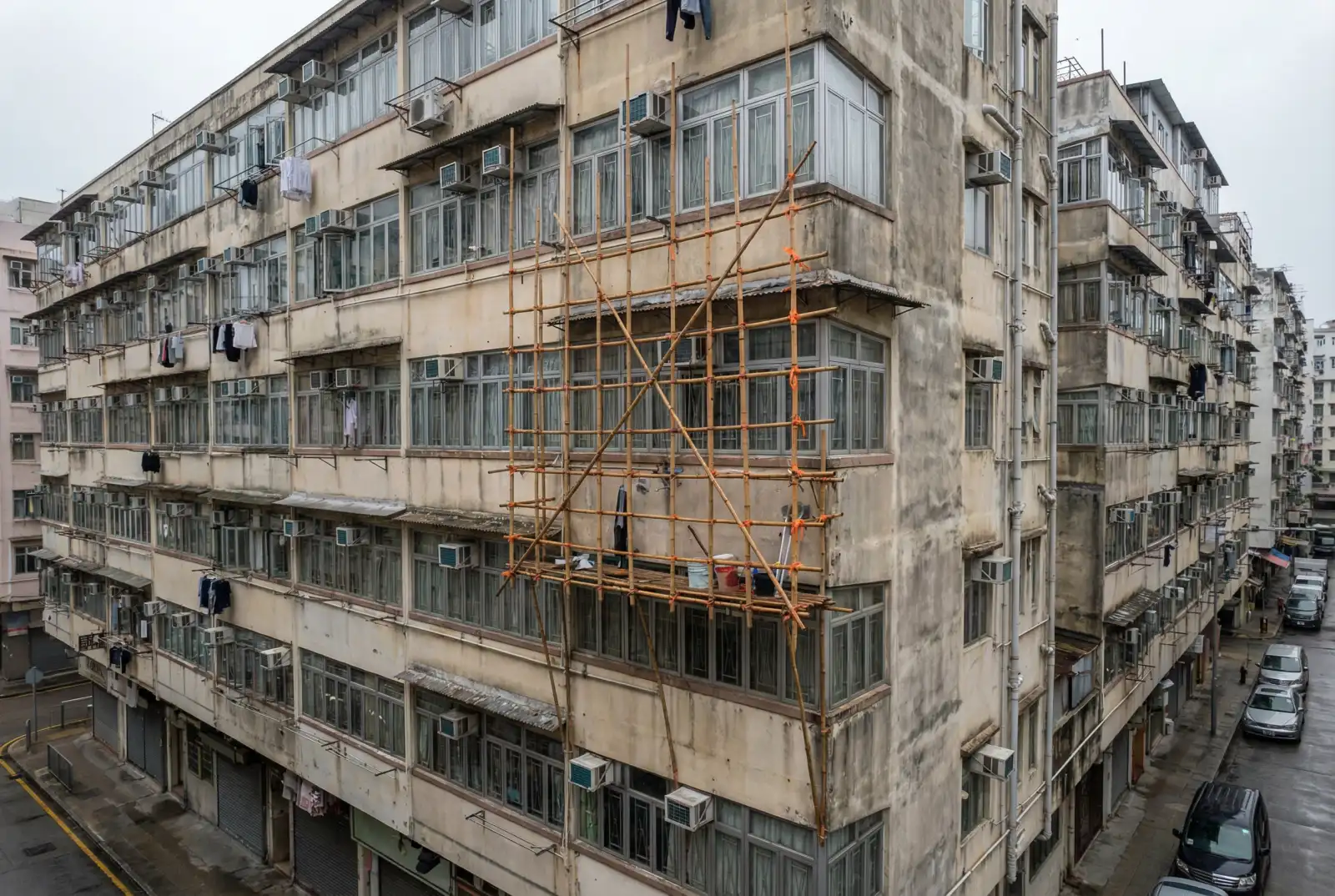
Many old buildings, tong lau (pre-war walk-ups) and public housing units in Hong Kong still use iron windows installed decades ago. After years of wind and rain, iron windows inevitably oxidise, open poorly or even leak. Replacing iron windows with aluminium is not only more durable and safer, but also improves waterproofing and soundproofing. This guide breaks down the reasons for switching iron to aluminium, how the two compare, the replacement process and declaration requirements, and cost references — helping you understand every step of replacing windows in an older building.
Why Replace Iron Windows? Understanding the Problem of Oxidised Iron
Iron was a common window material in Hong Kong buildings in earlier decades, especially in public housing and tong lau. However, iron does not stand up to Hong Kong's marine climate, and under prolonged humidity and salt, iron window oxidation is almost inevitable.
Once iron windows oxidise, the frames develop rust marks and warp, the paint peels, and in severe cases the hinge points come loose, affecting operation and safety. On top of that, iron window joints have limited waterproofing, so water easily seeps in when it rains. If your unit still uses iron windows and shows the issues above, you should consider switching to aluminium. Iron window replacement in public housing units involves arrangements with the Housing Department — see the public housing window replacement guide.
It's worth noting that once iron window hinges oxidise and come loose, there is a safety risk during typhoon season of an entire window dislodging and falling from height, threatening both residents and passers-by. Promptly switching to aluminium windows fitted with 304 stainless steel hinges is a practical way to safeguard safety.
Iron Windows vs Aluminium: 5 Key Differences
| Comparison | Iron Windows | Aluminium Windows |
|---|---|---|
| Weather resistance | Oxidises easily, develops rust marks | Weather-resistant, doesn't rust |
| Weight | Heavier | Lightweight |
| Waterproofing & sound | Limited joint waterproofing | Weatherstrips available, better waterproofing and soundproofing |
| Maintenance | Needs regular painting to prevent rust | Just regular cleaning, long lifespan |
| Style options | Fairly limited | Casement, sliding, projecting and more |
Aluminium windows are made of aluminium alloy, which does not rust, and combined with silicone-rubber weatherstrips and silicone waterproofing, they far outperform iron windows in waterproofing and soundproofing. What's more, with regular maintenance (cleaning the waterproof strips after rain and clear weather, and replacing weatherstrips periodically), aluminium windows can last more than 40 years — in the long run, more cost-effective than continually repairing iron windows.
The Iron-to-Aluminium Replacement Process and Declaration Requirements
Replacing iron windows with aluminium is a full aluminium window replacement, not a simple repair, and must follow the proper procedure:
Note that a full aluminium window replacement is alteration work that involves the wall structure and is classified as Class II Minor Works, so it must comply with the Class II Minor Works declaration. Private buildings and tong lau are regulated by the Buildings Department (BD), while public housing and HOS flats under the Housing Authority are handled by the Independent Checking Unit (ICU). Engaging a licensed minor works contractor (Amgen MWC 316/2021) to handle the declaration ensures the works are lawful and compliant. For declaration details, see the aluminium window minor works declaration guide.
Iron-to-Aluminium Replacement Cost Reference
The cost of replacing iron windows with aluminium depends mainly on the number and size of windows, the aluminium window style and glass specification, and whether scaffolding is needed. A full-flat iron window replacement is a larger project that's hard to generalise, so it's best to have a technician assess on-site first and provide an itemised quote.
In addition, an iron-to-aluminium replacement can be done for the whole flat or just part of it: if only a few windows have oxidised severely, you can tackle the worst ones first; if the iron windows have oxidised across the board, replacing the whole flat together is advisable, avoiding the repeat cost and time of piecemeal works later.
For the overall cost structure and factors involved, see the aluminium window replacement cost guide. Amgen offers a one-stop aluminium window replacement service, following through from measuring, window removal and installation to waterproofing and declaration, with clear, transparent pricing.
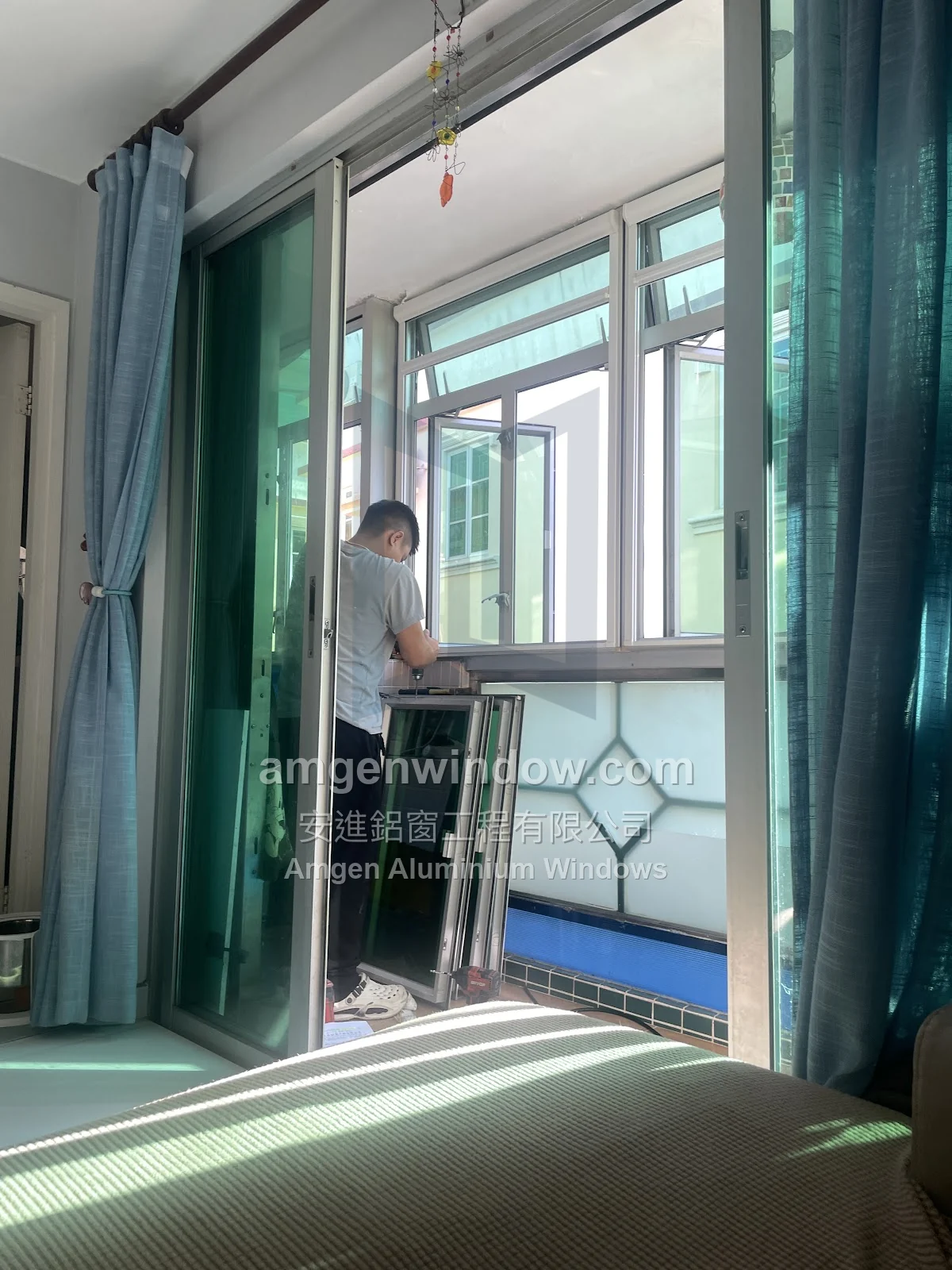
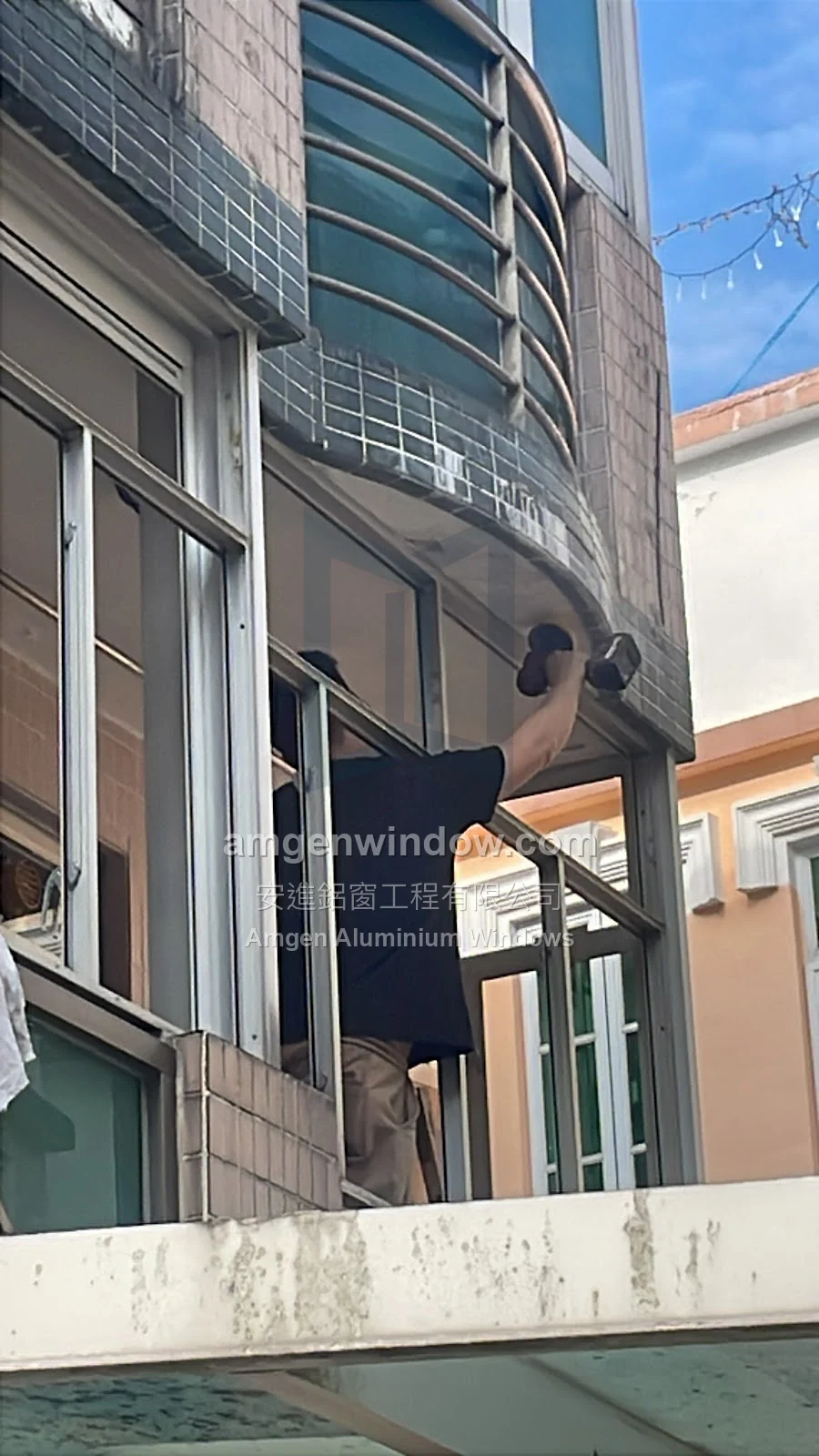
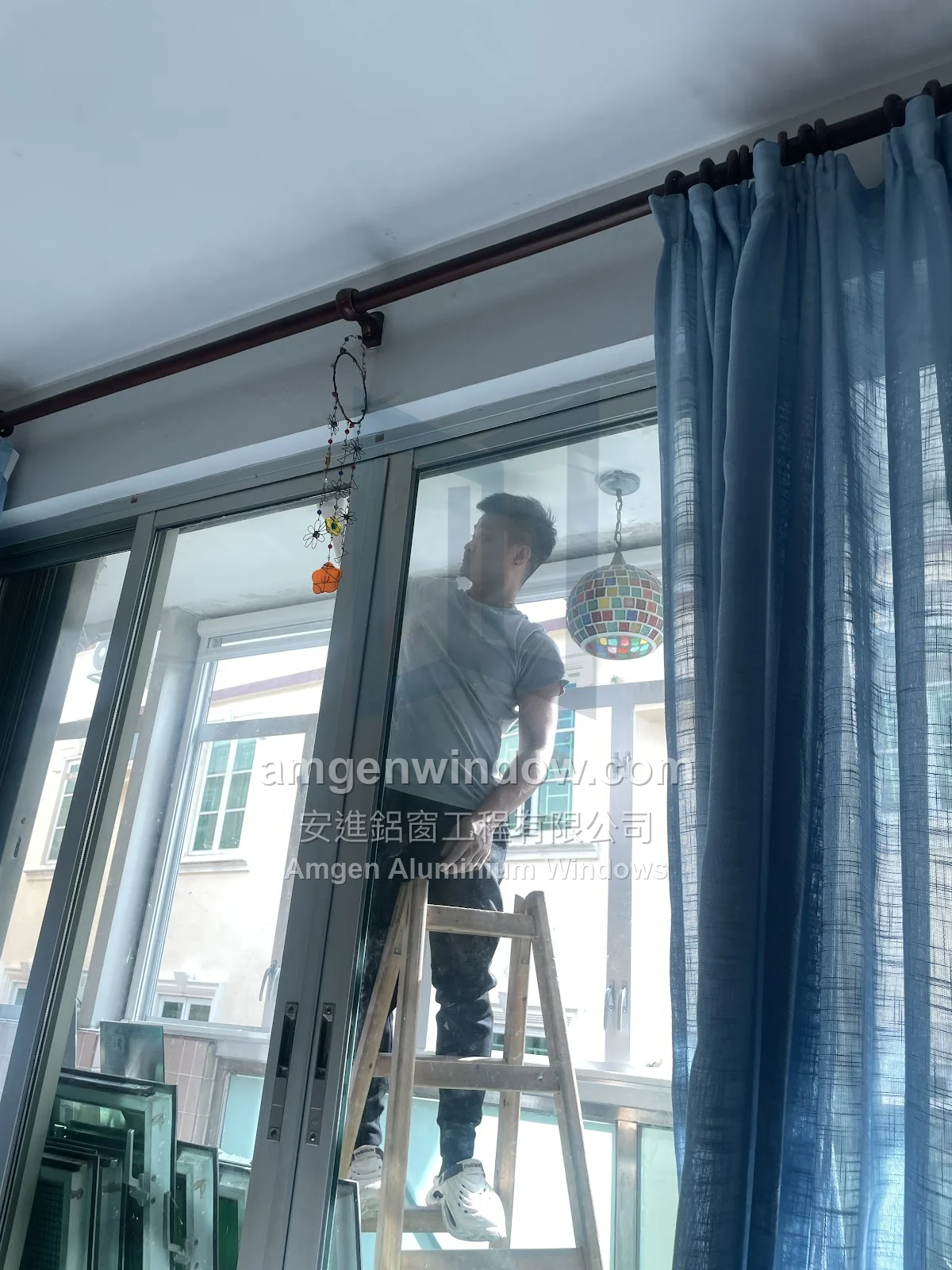
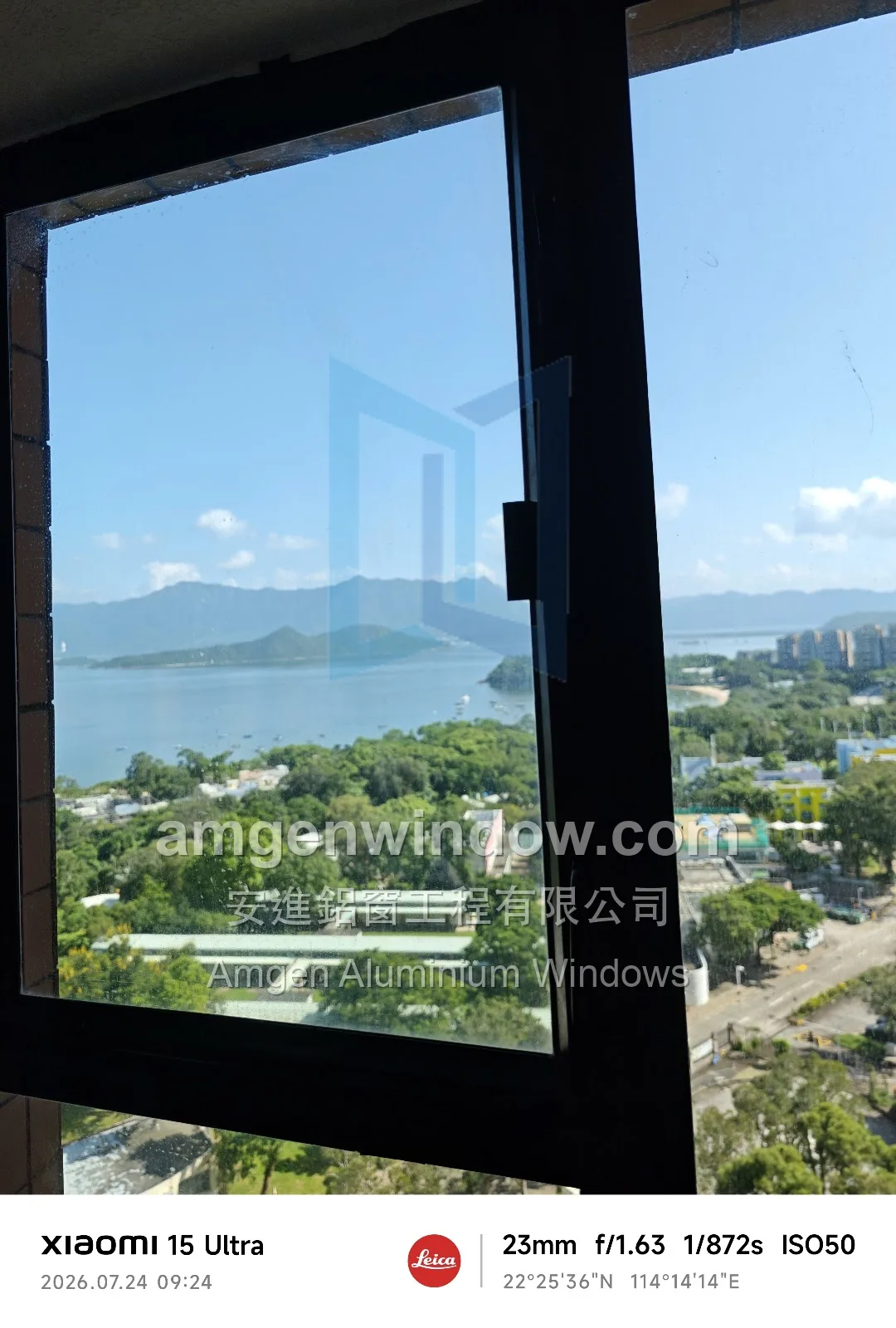
A Real Case: Iron-to-Aluminium Replacement at Tsui Lam Estate, Tseung Kwan O
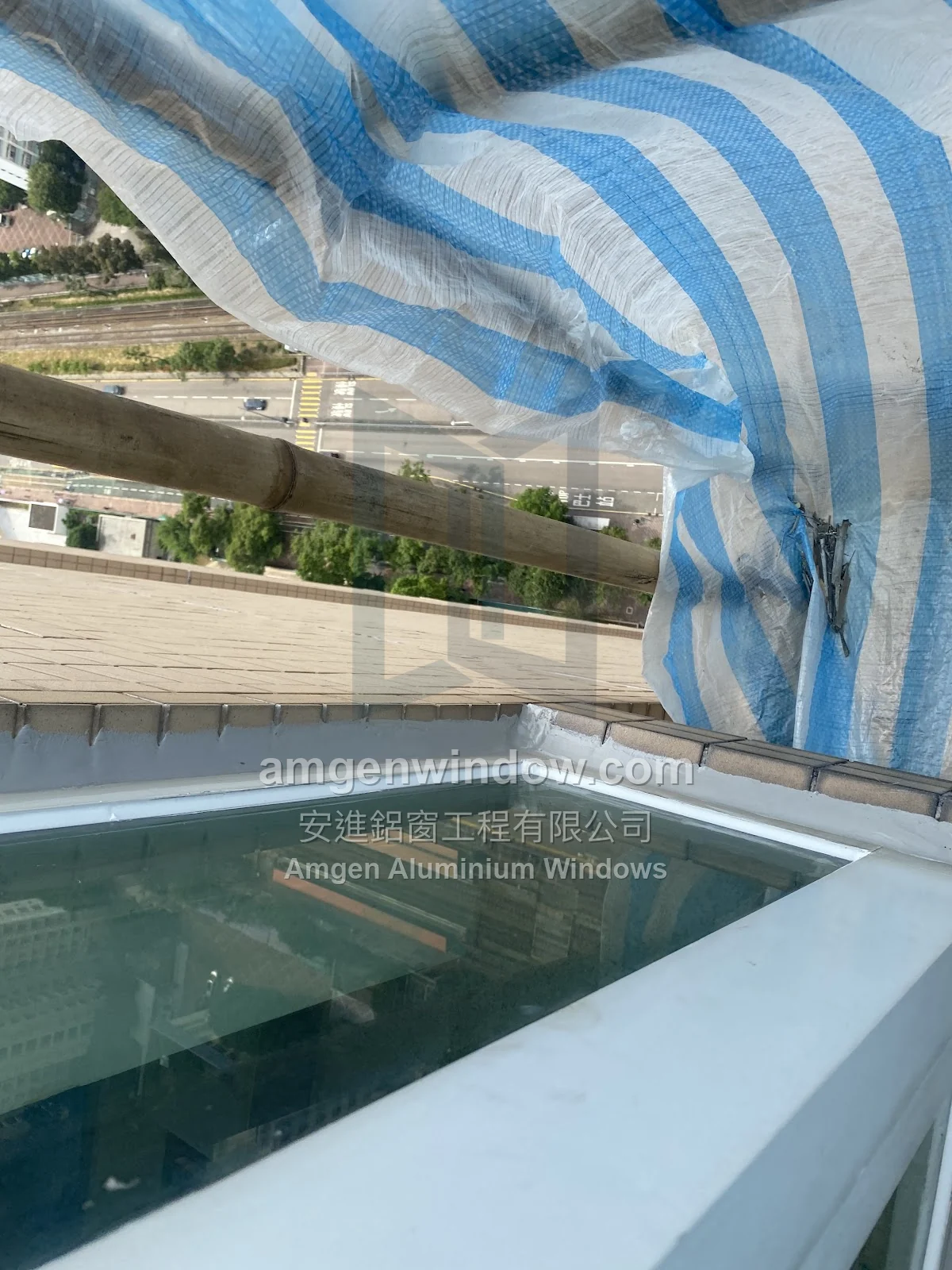
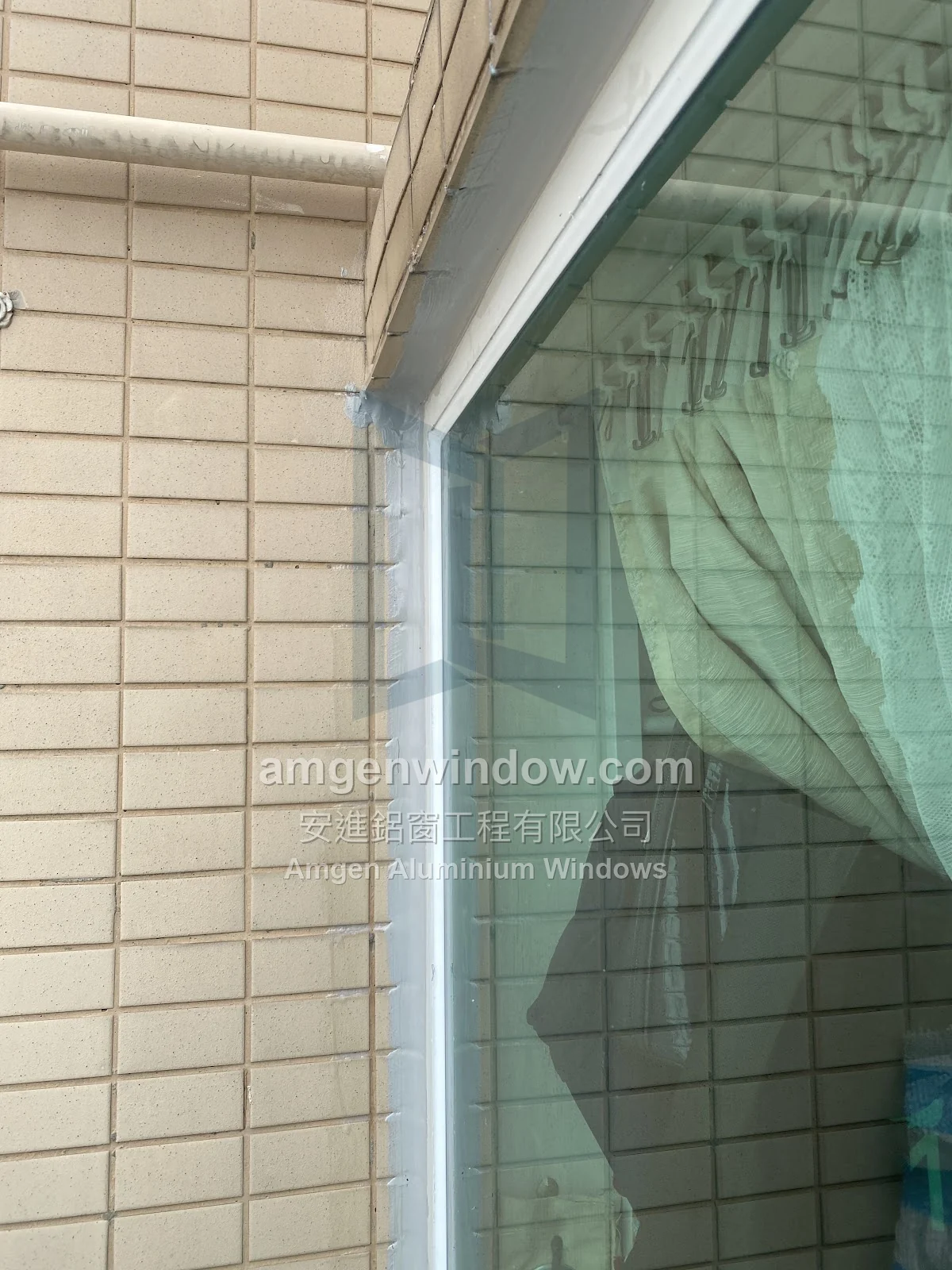
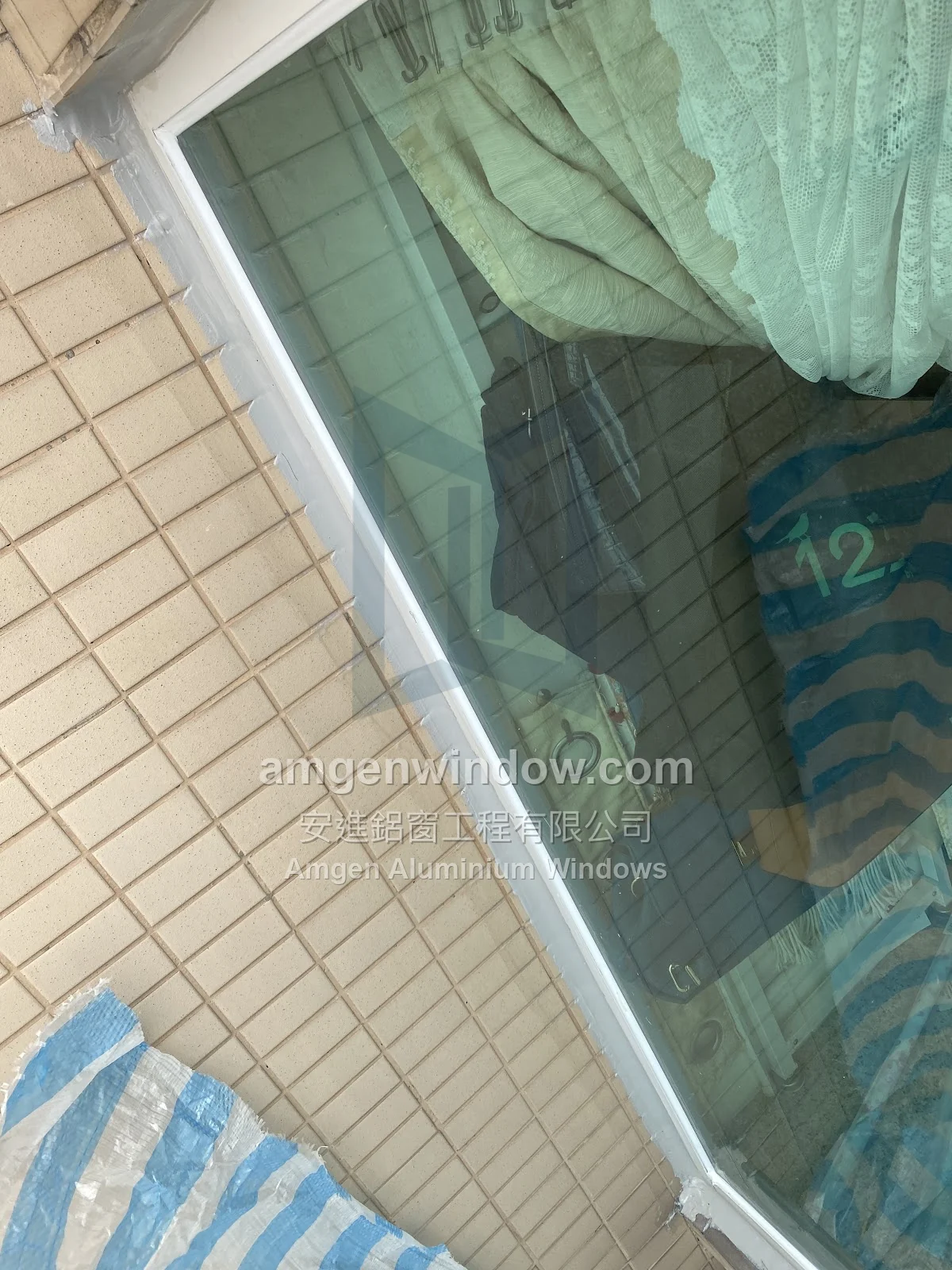
Take a case Amgen handled at Tsui Lam Estate in Tseung Kwan O: the unit's original iron windows had oxidised in many places and developed rust marks, the frames had warped and opened poorly, and water seeped in around the windows during rain.
Amgen removed the old iron windows, custom-made and installed brand-new aluminium windows, and re-applied silicone waterproofing, completing the works under the Class II Minor Works declaration. After completion, the windows opened smoothly, no longer leaked, and looked brand new. This shows that promptly replacing oxidised iron windows with aluminium improves safety, waterproofing and living quality all at once.
Frequently Asked Questions
Must iron windows be replaced with aluminium — can I just refurbish them?
Iron windows can be sanded and repainted to deal with rust marks temporarily, but this treats the symptom, not the cause, and oxidation continues. If the iron windows have severely oxidised, warped or the hinges have come loose, replacing them with aluminium is the long-term choice. Aluminium doesn't rust, lasts long and costs less to maintain.
Does replacing public housing iron windows with aluminium require an application?
Yes. Replacing windows in a public housing unit involves the Housing Department's arrangements and rules, and must comply with the Class II Minor Works declaration. It's advisable to engage a licensed contractor to help handle the declaration and documents to ensure compliance. See the public housing window replacement guide for details.
How long does an iron-to-aluminium replacement take?
It depends on the number of windows and the scale of the works. A full-flat iron window replacement in a typical unit — from removal and installation to waterproofing — can mostly be completed within a few days; larger jobs or those needing scaffolding take longer. The technician will provide an estimated timeline after assessment.
Conclusion
Iron window oxidation is a common problem in Hong Kong's old buildings, tong lau and public housing, and promptly replacing them with aluminium is not only more durable and safe, but also improves waterproofing and soundproofing. Window replacement is Class II Minor Works and must follow the declaration procedure, so having a licensed contractor handle it is the safest route.
Amgen is a licensed minor works contractor (MWC 316/2021), offering a one-stop iron-to-aluminium window replacement service, from measuring, window removal and installation to waterproofing and declaration. If your unit's iron windows have oxidised, WhatsApp Amgen at 6586 3435 to arrange a free on-site assessment by a technician.

Want to know what a replacement costs?
Enter the number of windows and their sizes and it becomes a clear enquiry — a free on-site measurement can be arranged.
Start a replacement quote