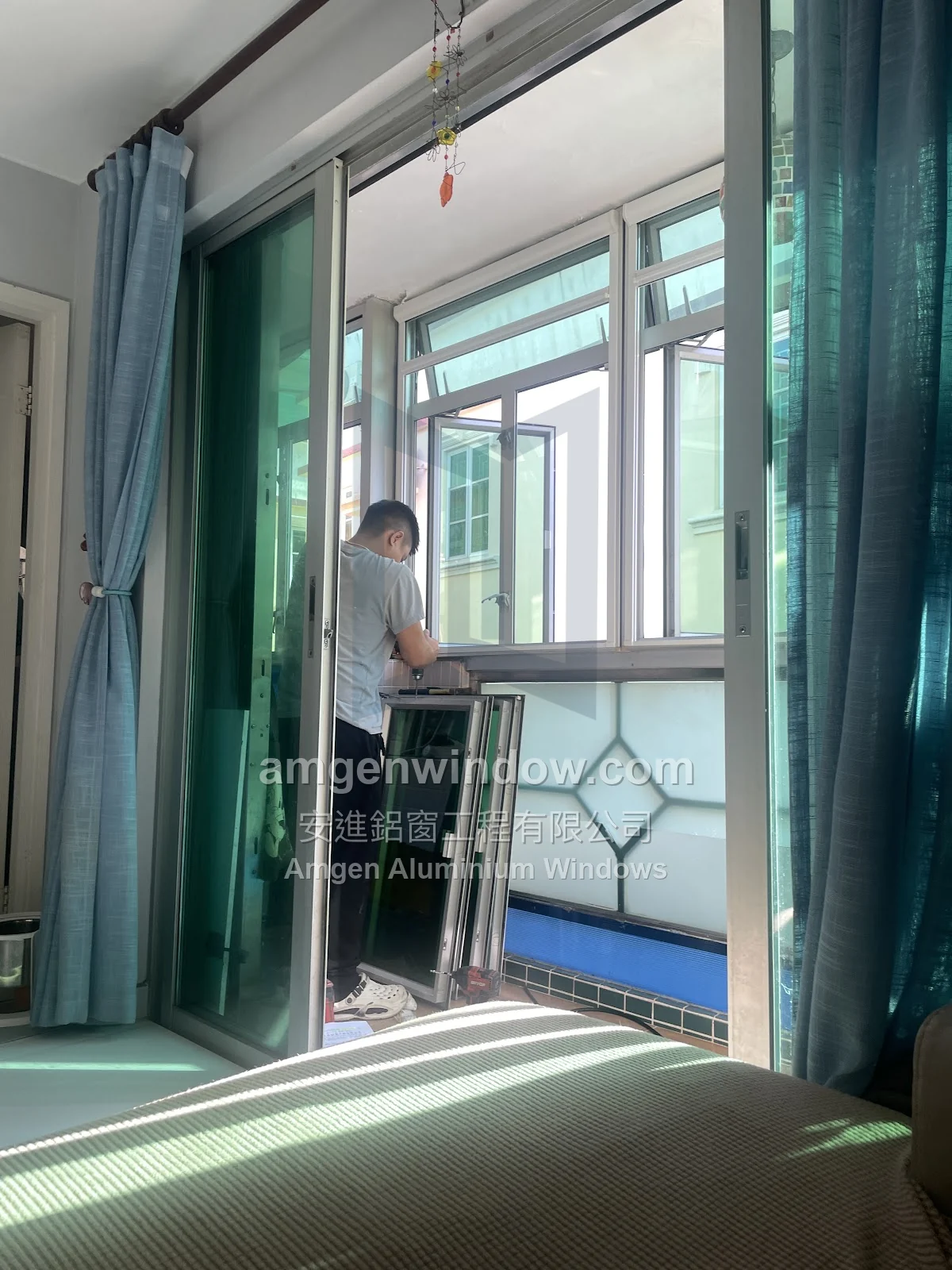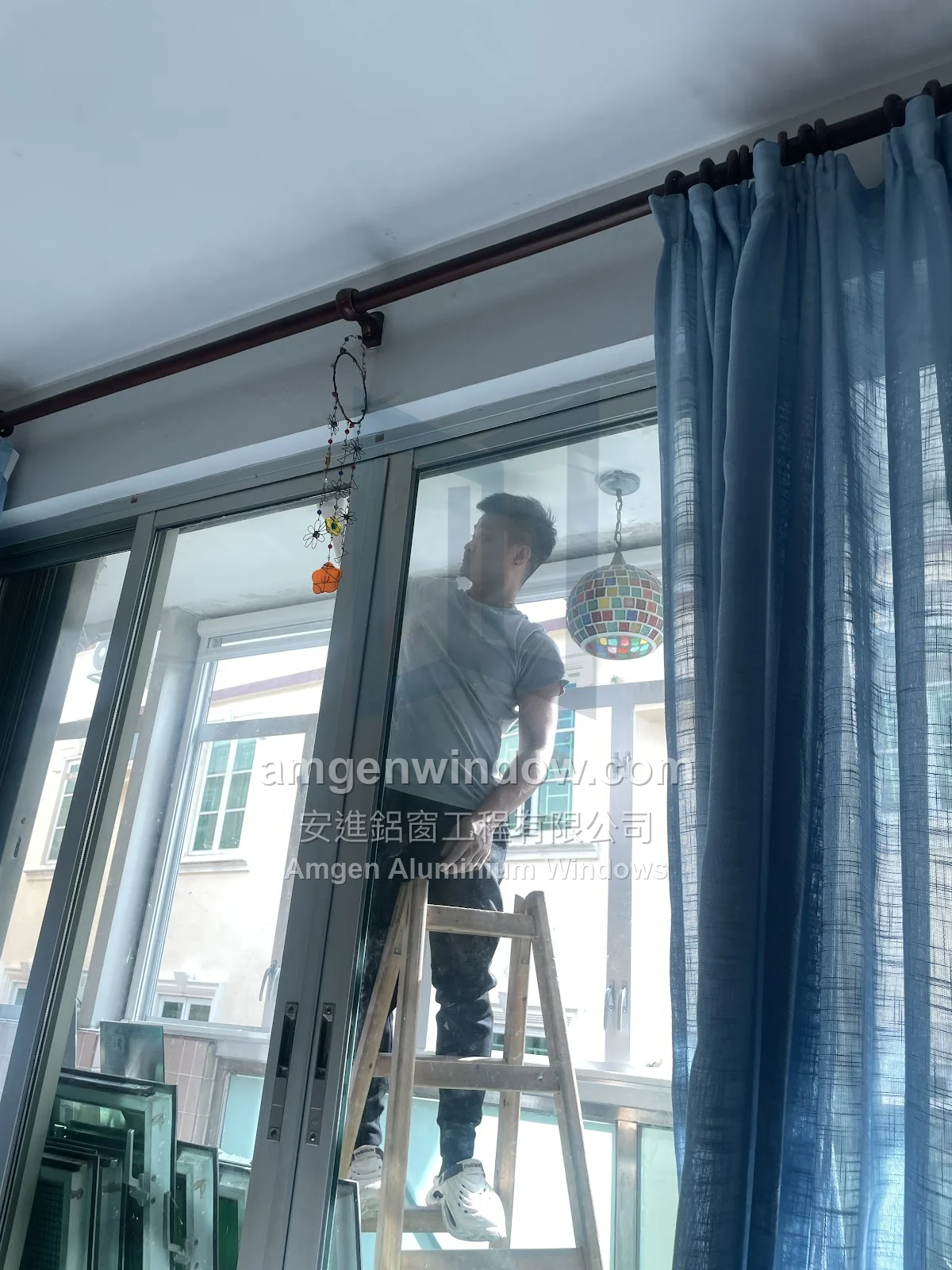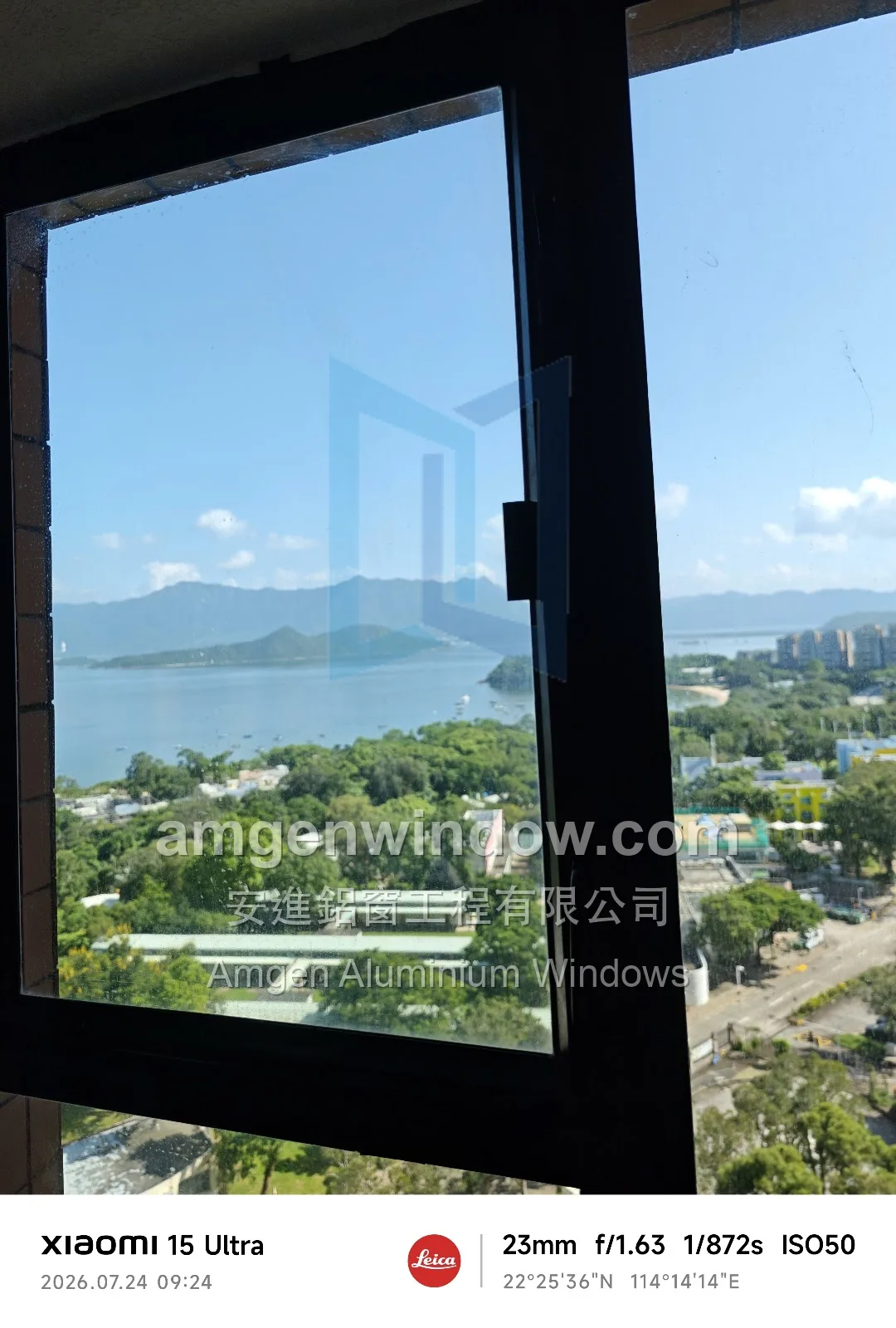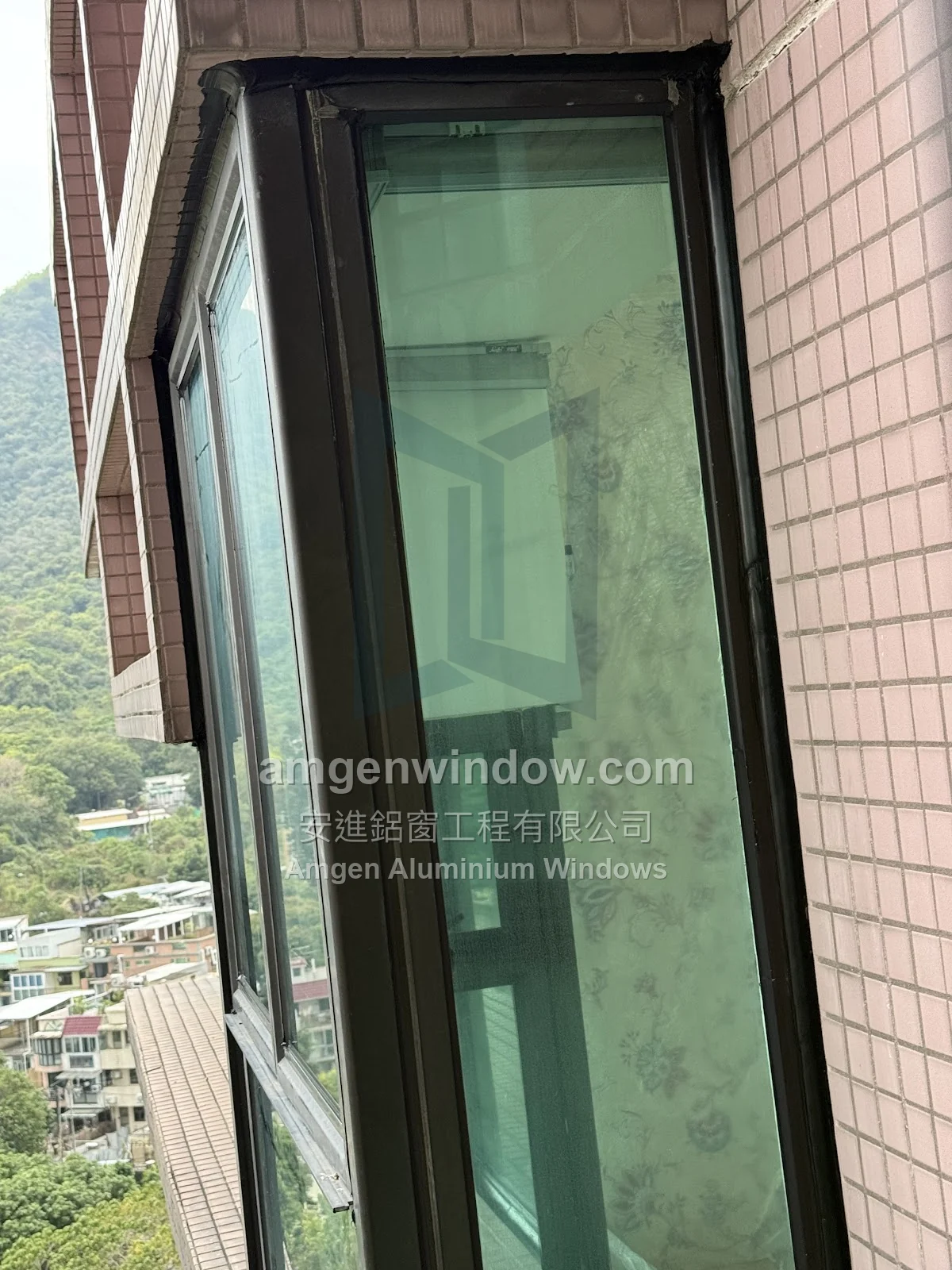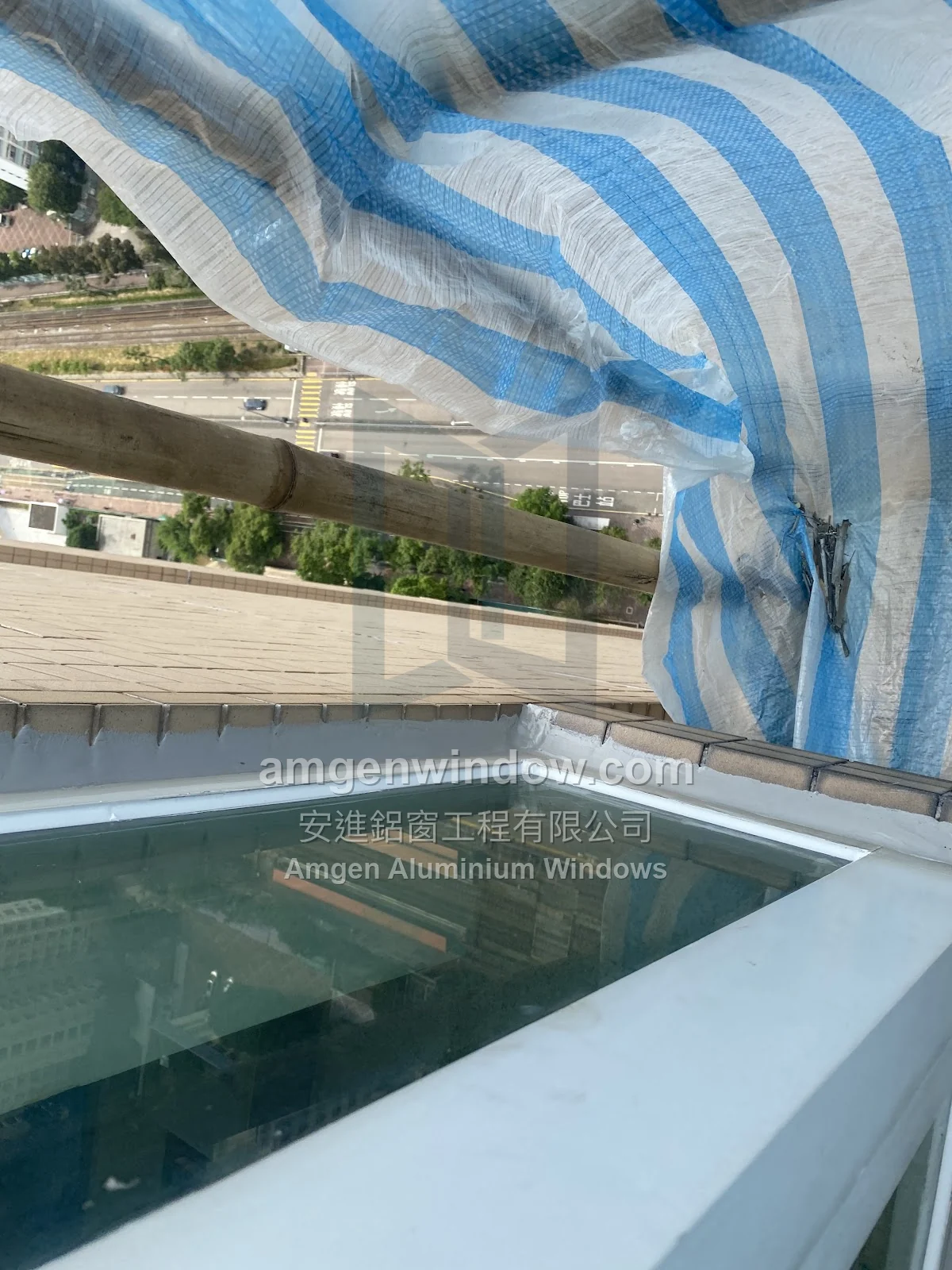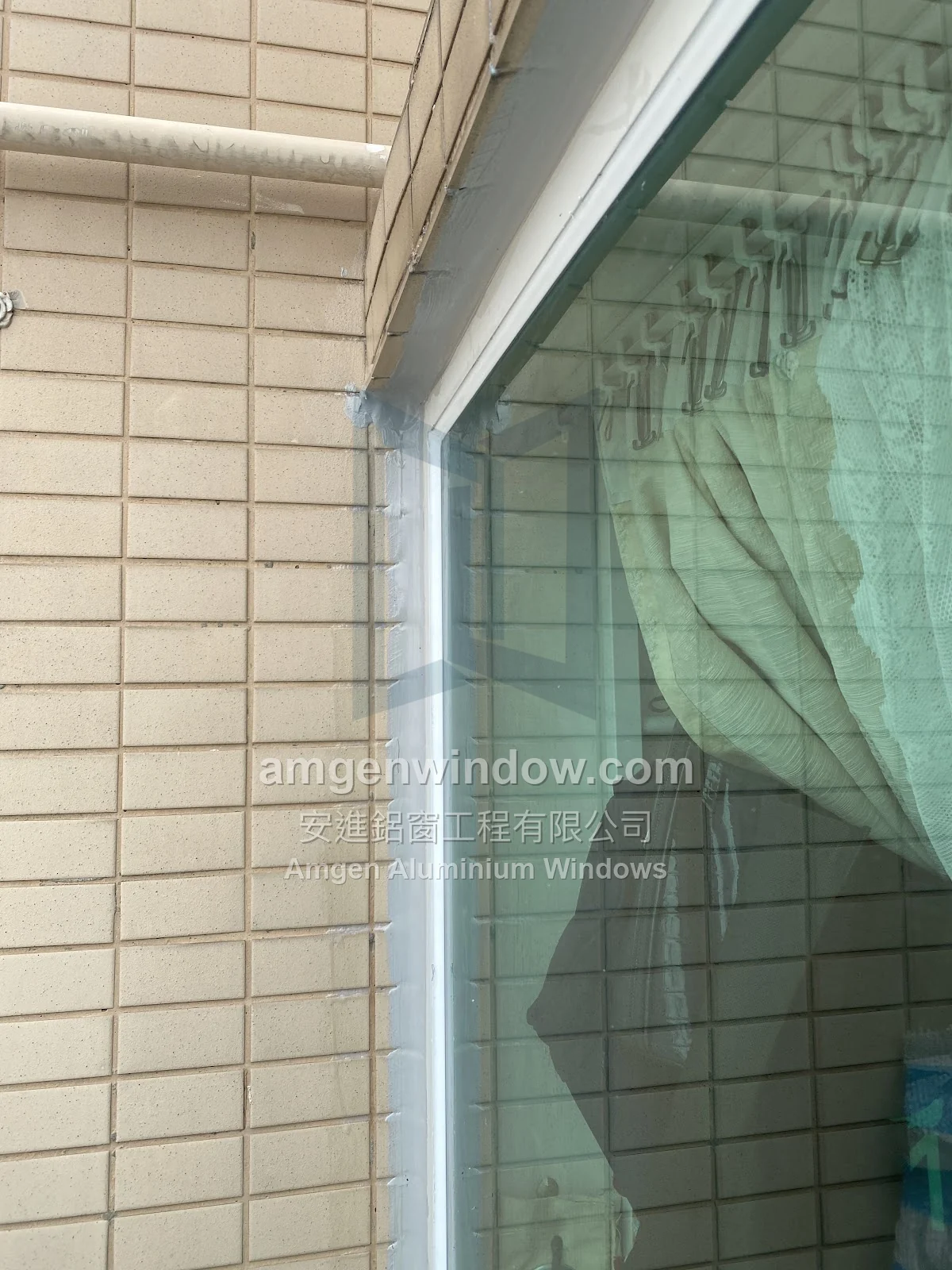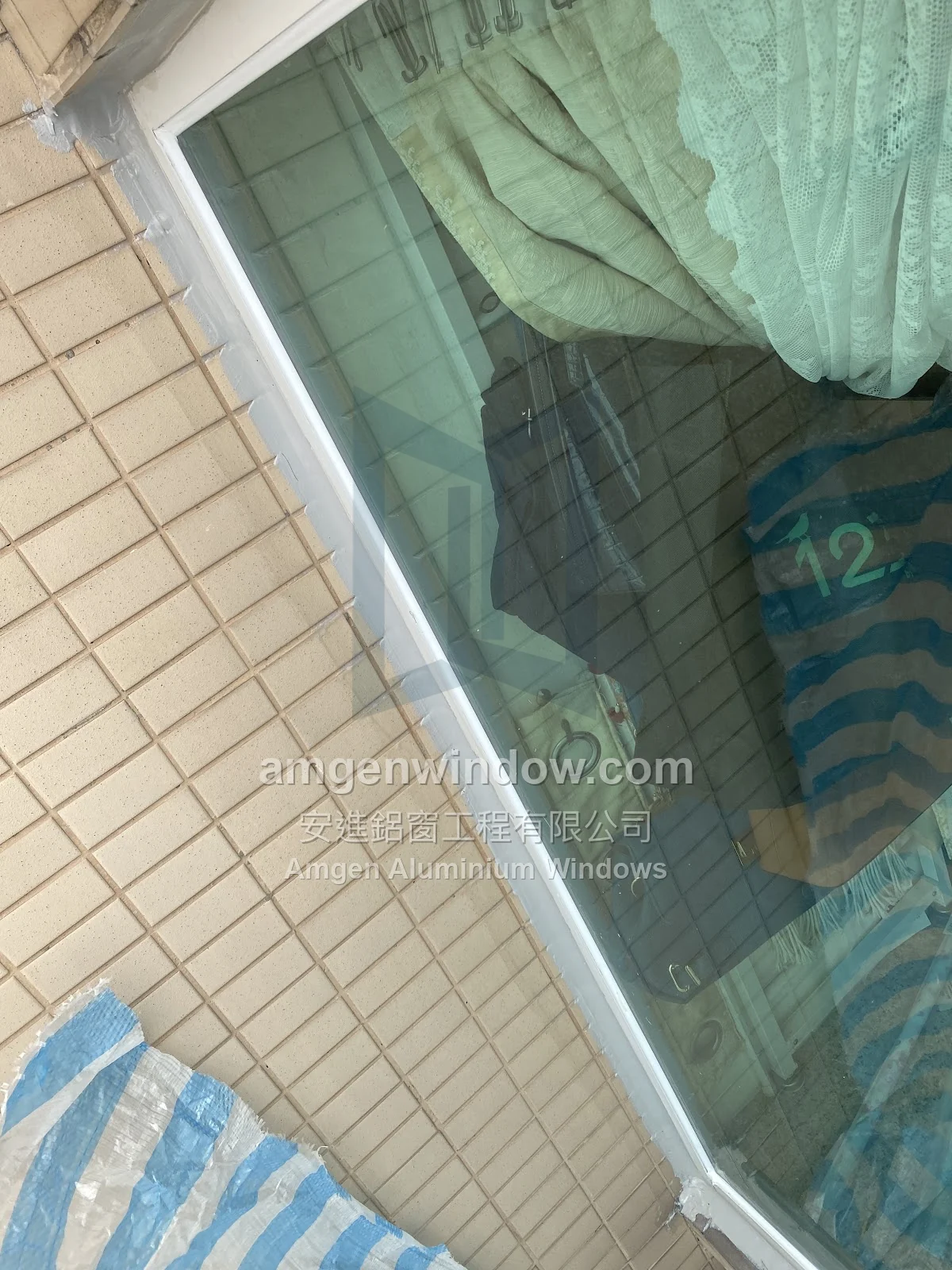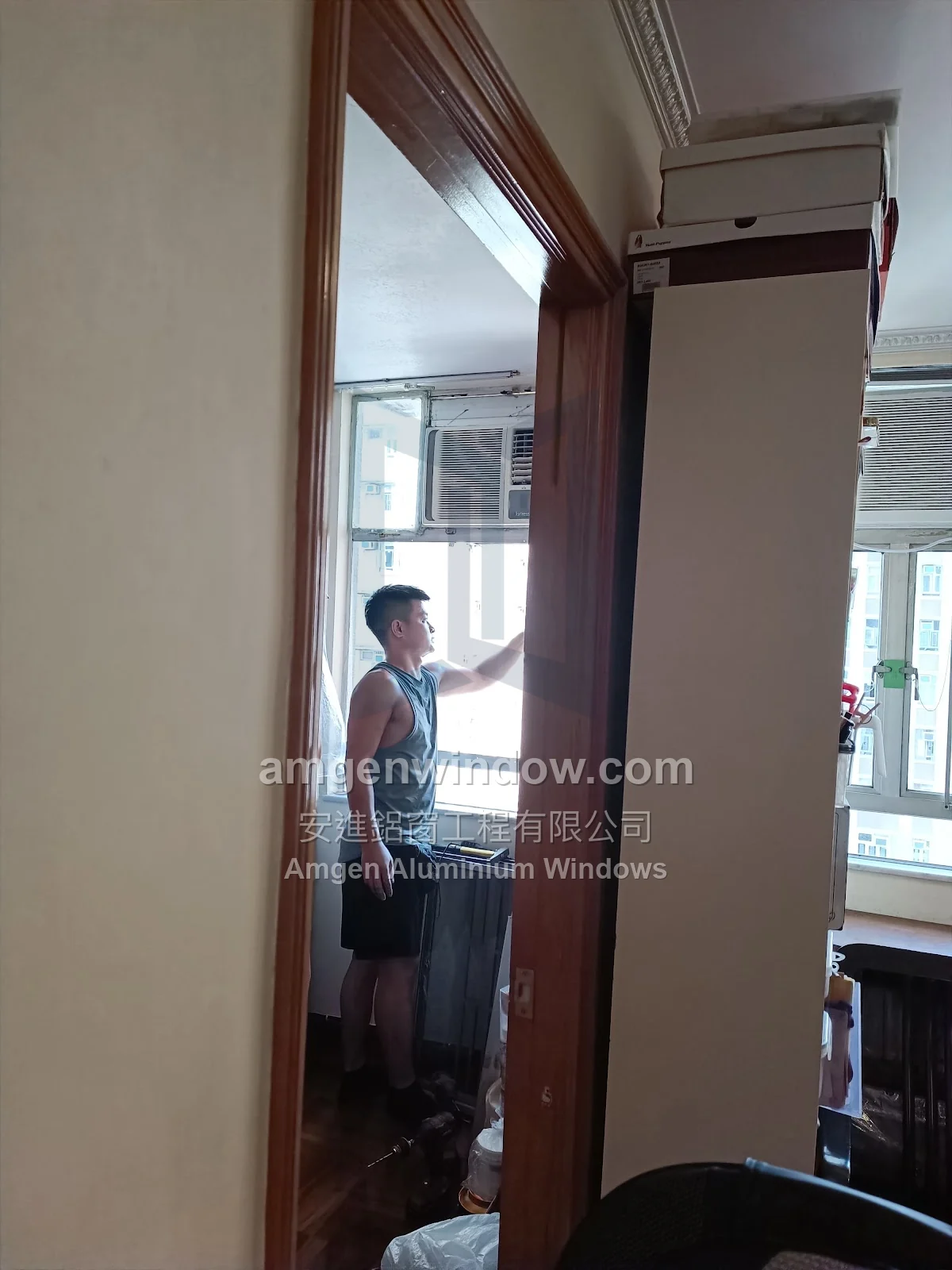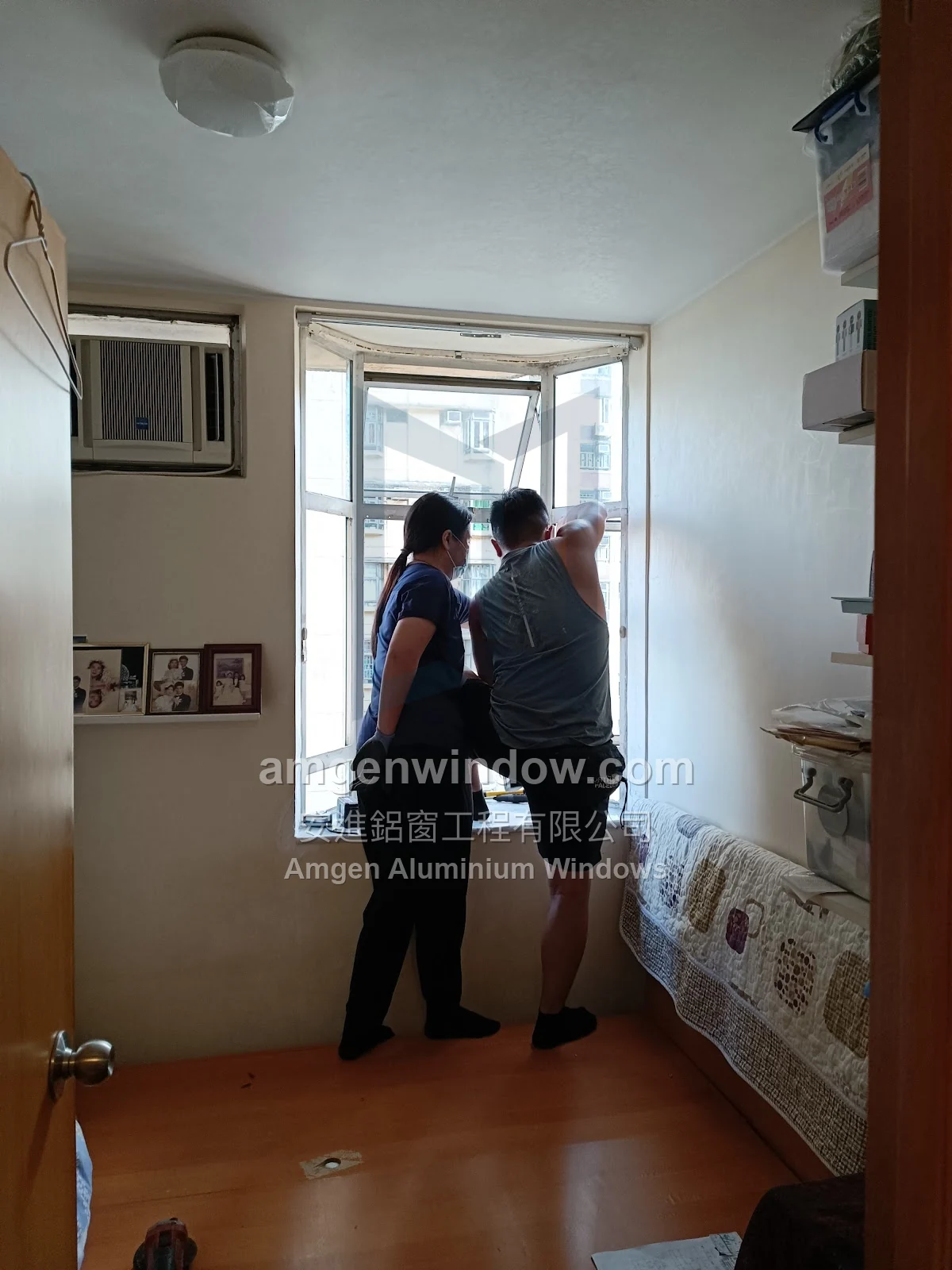

Stretching from floor to ceiling, floor-to-ceiling windows offer an open view and abundant natural light, and are a selling point of many sea-view units and modern homes. The open vista is certainly appealing, but behind that large expanse of glass lie considerations of safety, heat insulation, privacy and fall prevention. If you want to install or replace floor-to-ceiling windows, you must understand these clearly before replacing windows. This guide breaks down the pros and cons of floor-to-ceiling windows, the glass choice, safety and fall prevention, and installation points.
What Are the Features of Floor-to-Ceiling Windows? Pros and Cons
The greatest appeal of floor-to-ceiling windows is bringing the outdoor view and natural light generously into the interior, greatly enhancing the sense of space — a design that lifts living quality. However, every design has two sides.
On the pros side, the open view, abundant natural light and transparent sense of space are hard for ordinary windows to match. On the cons side, large areas of glass insulate heat less well, so west-facing or sun-facing units can feel hot in summer; privacy is lower; and a low sill with a large expanse of glass also raises safety and fall-prevention concerns. Understanding the trade-offs helps you decide whether it suits your unit.
What Glass Do Floor-to-Ceiling Windows Use? Safety Glass Is Key
Floor-to-ceiling windows are large in area and more exposed to wind load and impact, so the glass choice directly affects safety and must not be taken lightly.
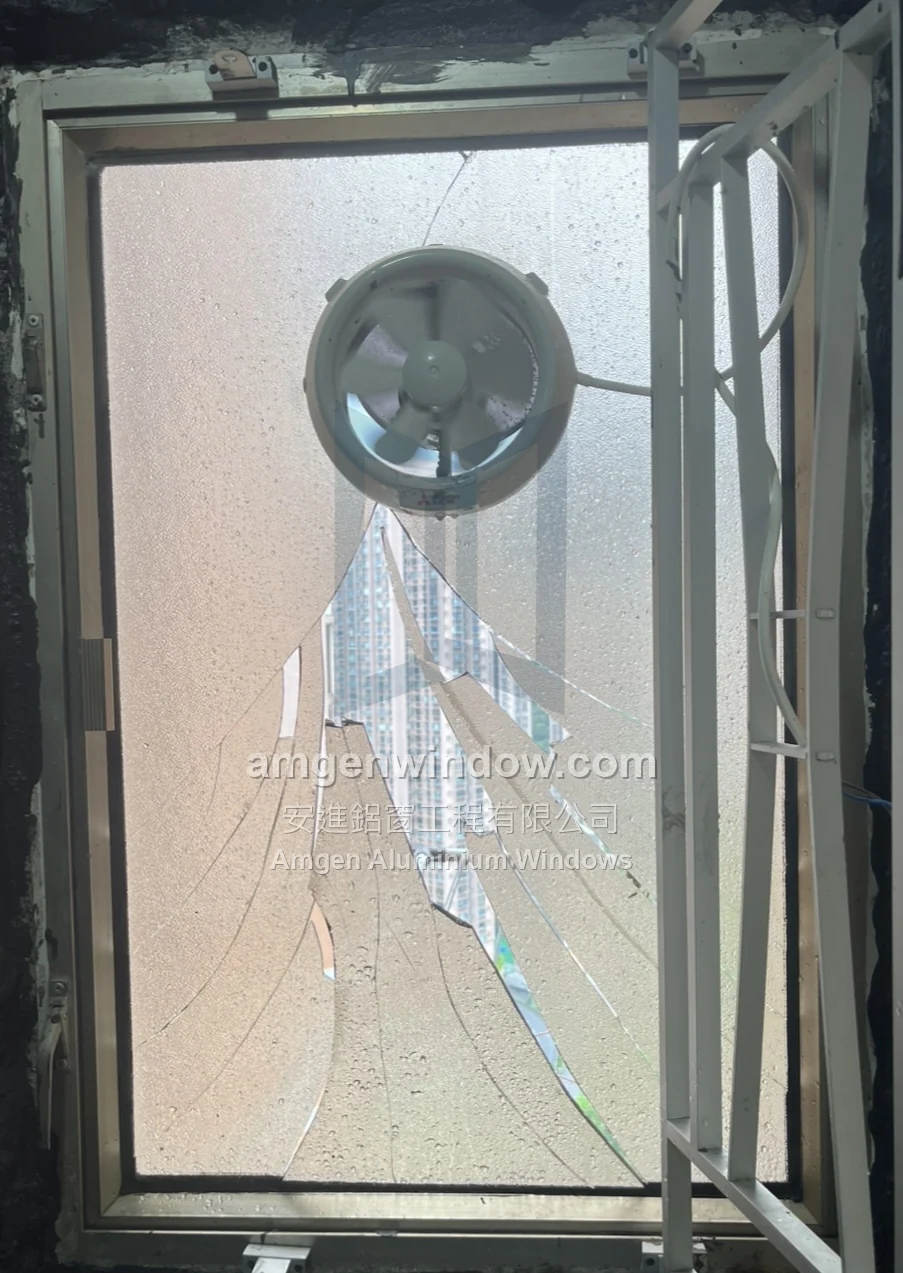
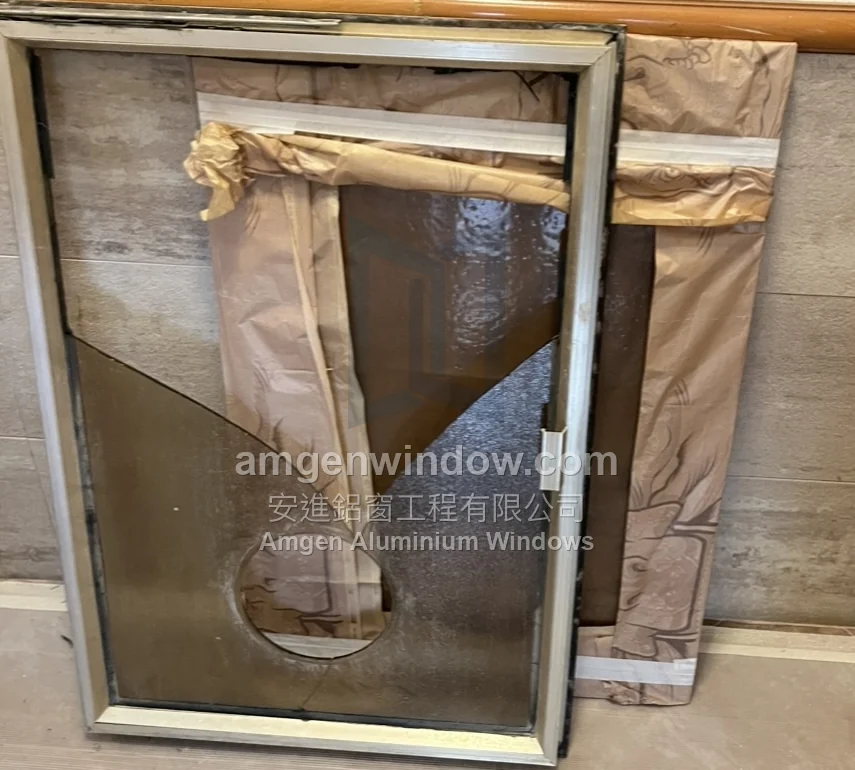
Note that glass is not entirely break-proof — tempered glass has a tiny chance of spontaneous breakage. If glass shatters, deal with it promptly; see our complete guide to aluminium window glass replacement.
Safety and Child Fall Prevention for Floor-to-Ceiling Windows
Floor-to-ceiling windows have a low sill and a large glass area, so for families with young children or pets, fall prevention is the most important consideration. Glass alone is not enough to fully prevent falls, so it is best combined with suitable protective measures.
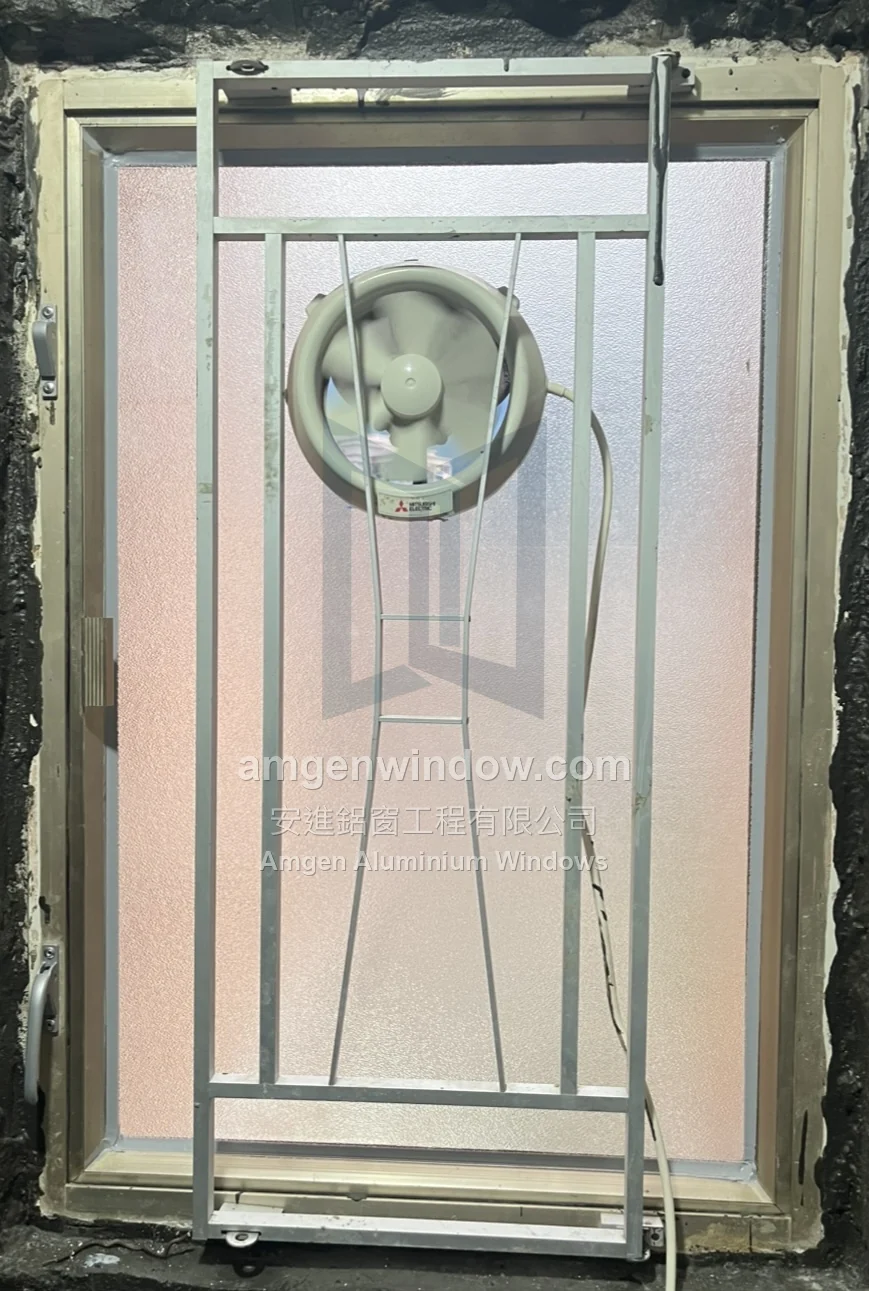
Common approaches include adding a balustrade, an invisible grille or a window grille, providing a fall-prevention barrier while keeping the view. For a full look at child fall prevention, see our child window fall-prevention safety guide; for the choice of protective barriers, see our complete guide to window grilles. Whichever option you choose, it is best assessed by a licensed technician to ensure the protection fits the window well.
Heat Insulation and Privacy for Hong Kong Floor-to-Ceiling Windows
Hong Kong summers have strong sunlight, and large floor-to-ceiling glass facing west or the sun can make interiors hot, increasing the air-conditioning load. The way to improve this at source is to choose insulated or Low-E glass to reduce heat entering the interior.
For privacy, floor-to-ceiling windows are quite transparent and can be paired with curtains, blinds or frosting to block sightlines when needed. These should all be considered together when planning the window replacement, so it is more satisfying to live with afterwards.
What to Note When Installing or Replacing Floor-to-Ceiling Windows
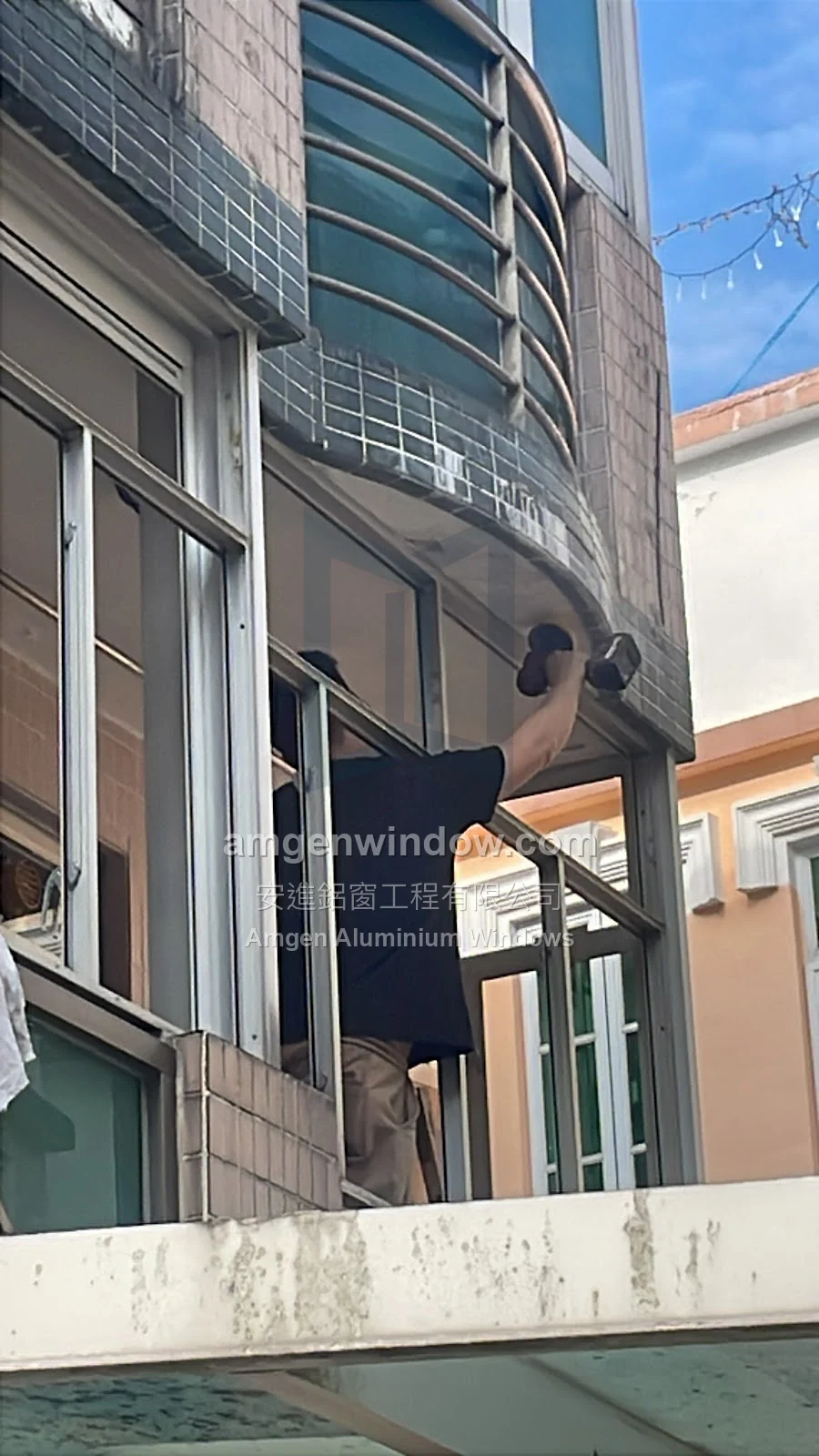
Floor-to-ceiling windows have a large, heavy glass area, so installation and replacement demand higher technical skill than ordinary windows — several points must be noted.
First, the large glass panes need accurate measuring, custom fabrication, and proper transport and hoisting; the process involves safety risks and must be handled by a professional team. Second, a full aluminium window replacement is alteration work involving the wall structure, classified as Class II Minor Works and subject to the Class II declaration. Amgen holds licence MWC 316/2021 and can handle the declaration documents. To learn about replacement arrangements, see our aluminium window replacement service.
Frequently Asked Questions (FAQ)
Are floor-to-ceiling windows safe? Could they suddenly shatter?
As long as they use tempered or laminated glass to specification, floor-to-ceiling windows are safe. Tempered glass has a tiny chance of spontaneous breakage, but it shatters into blunt granules; laminated glass further keeps the shards stuck to the interlayer so they do not scatter — the ideal choice for high floors and families with children.
My floor-to-ceiling window faces west and gets very hot — what can I do?
The most effective way to improve at source is to choose insulated or Low-E glass to reduce heat transmission. Combined with shading measures such as curtains and blinds, this can further lower the indoor temperature and ease the air-conditioning load.
I have children at home — how do I ensure fall prevention for floor-to-ceiling windows?
Floor-to-ceiling windows have a low sill, so combine them with fall-prevention barriers such as a balustrade, invisible grille or window grille, and choose laminated glass for added safety. It is best to have a licensed technician assess on site and design the most suitable protection for your unit.
Does replacing a floor-to-ceiling window require a Buildings Department declaration?
A full aluminium window replacement (including floor-to-ceiling windows) is Class II Minor Works and must be declared to the Buildings Department by a licensed contractor. Amgen holds licence MWC 316/2021 and can handle the complete declaration process — owners simply need to provide their personal documents.
Conclusion: Floor-to-Ceiling Windows Are Open and Bright — but Mind Safety and Insulation Too
Floor-to-ceiling windows bring an open view and abundant natural light to a home, but the safety, fall prevention and heat insulation of that large glass equally need to be planned before replacing windows, so you can live comfortably and with peace of mind. Choosing the right safety glass and pairing it with protective measures lets floor-to-ceiling windows show their finest side.
If you are planning to install or replace floor-to-ceiling windows, feel free to contact licensed contractor Amgen Aluminium Windows (MWC 316/2021). WhatsApp 6586 3435, and we can arrange a technician to measure and assess on site and recommend the most suitable solution for glass choice, fall prevention and insulation.

Want to know what the works will cost?
About three minutes to fill in, and it becomes a clear enquiry — no need to describe the problem yourself.
Fast quote