Hong Kong's weather is humid and rainy, and after years of wind and rain, an aluminium window's rubber seals inevitably harden, shrink or even go tacky. When you notice draughts around the window, louder wind noise, or water seeping in and mould forming at the window corners during rain, the aluminium window seals are very likely the culprit. This guide breaks down the types and roles of window seals, the warning signs of failure, the difference between replacing a weatherstrip and applying silicone, and the timing and costs of replacement — so you can act early and stop a small issue from becoming a leakage job.
What Are Aluminium Window Seals? Understanding the Two Kinds of "Seal"
What many owners call the "seal" actually covers two different materials, each with a distinct role and treatment — confuse them and you'll hire the wrong technician or use the wrong method.
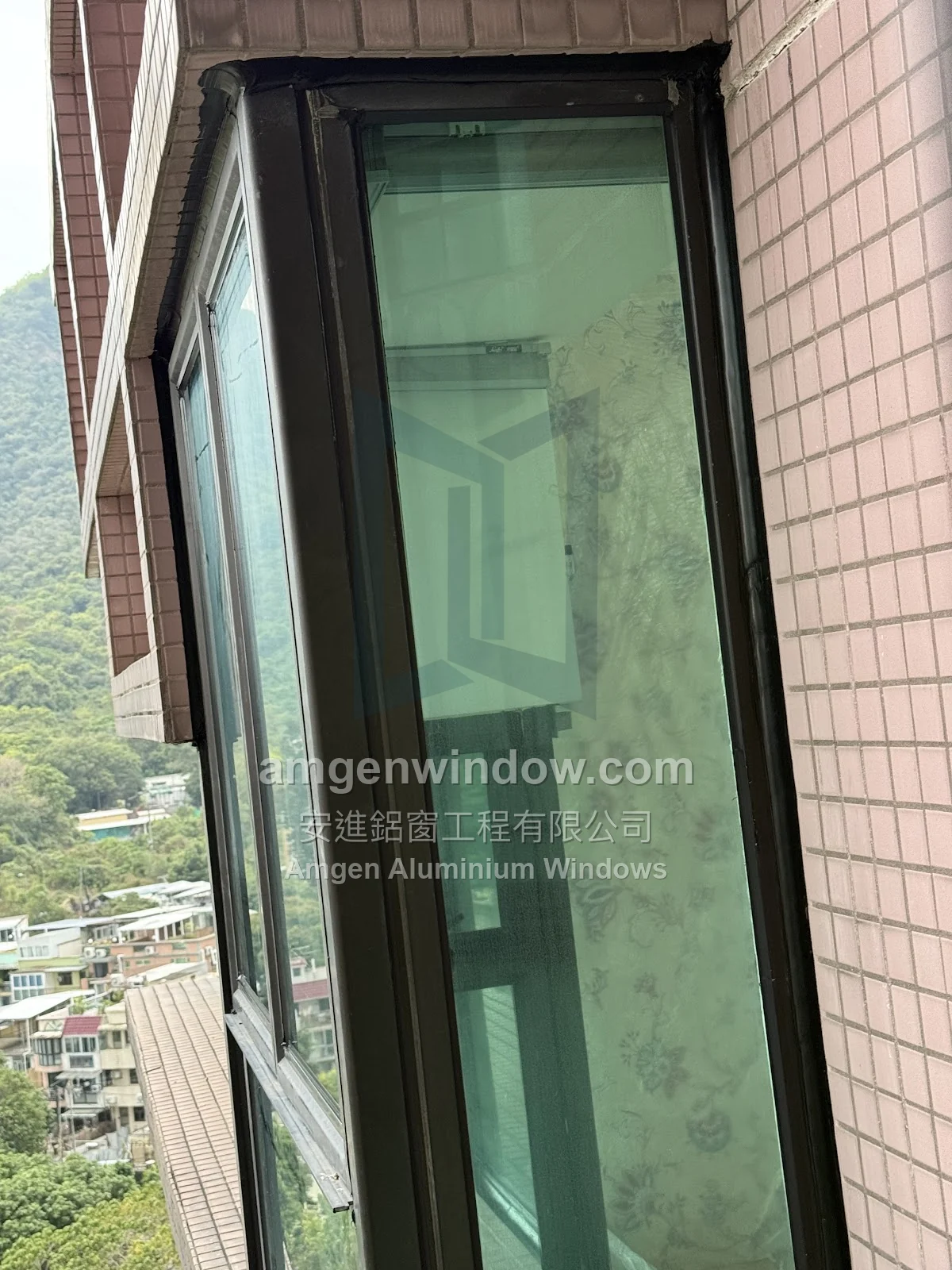
The first is the silicone-rubber waterproof weatherstrip (commonly called the rubber strip or seal), a removable strip fitted between the frame and the sash that provides airtightness and waterproofing, blocking wind, rain and noise. This weatherstrip hardens and shrinks over time, and the correct approach is to "replace" it with a new strip — not to "apply" sealant over it.
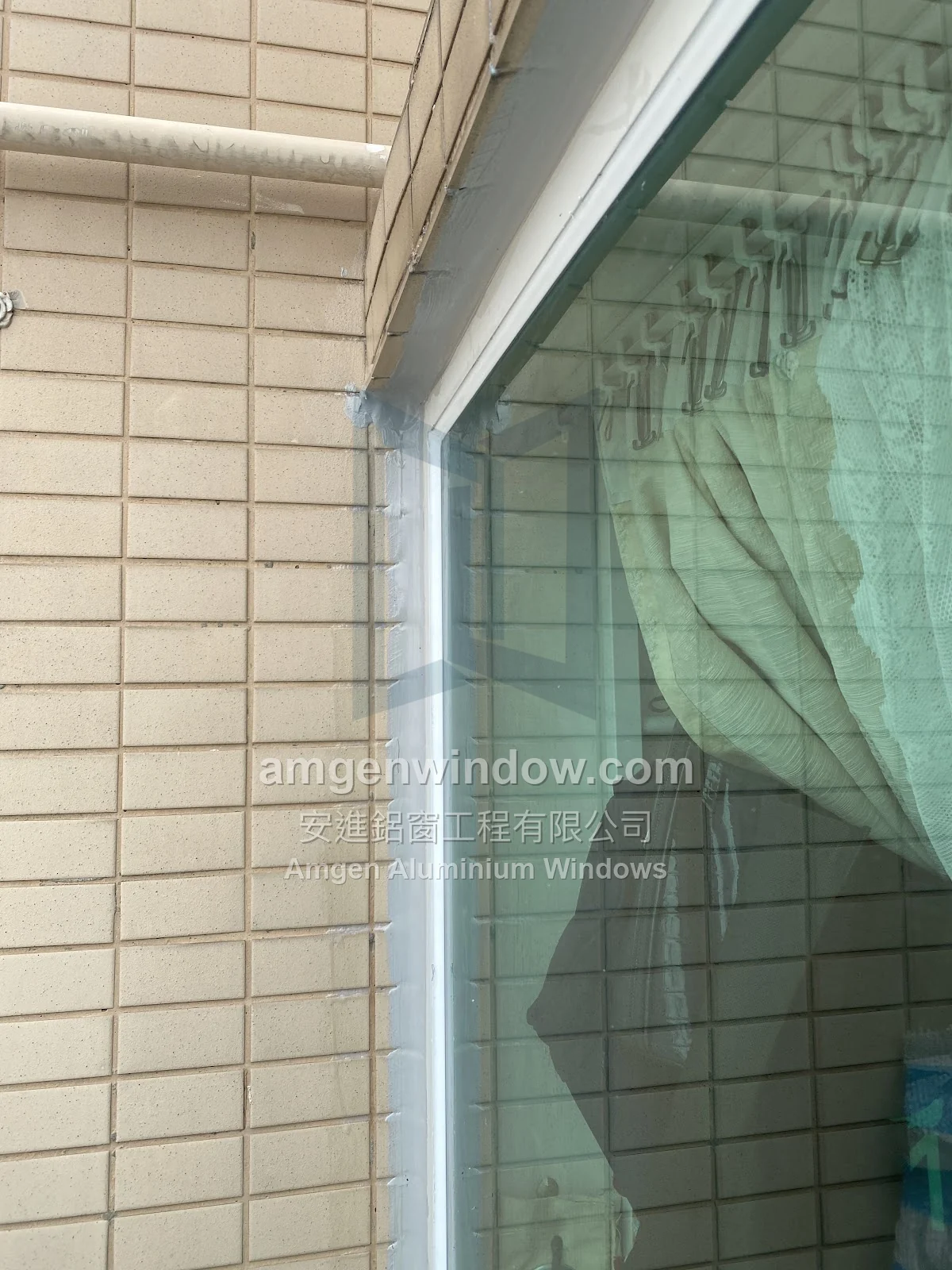
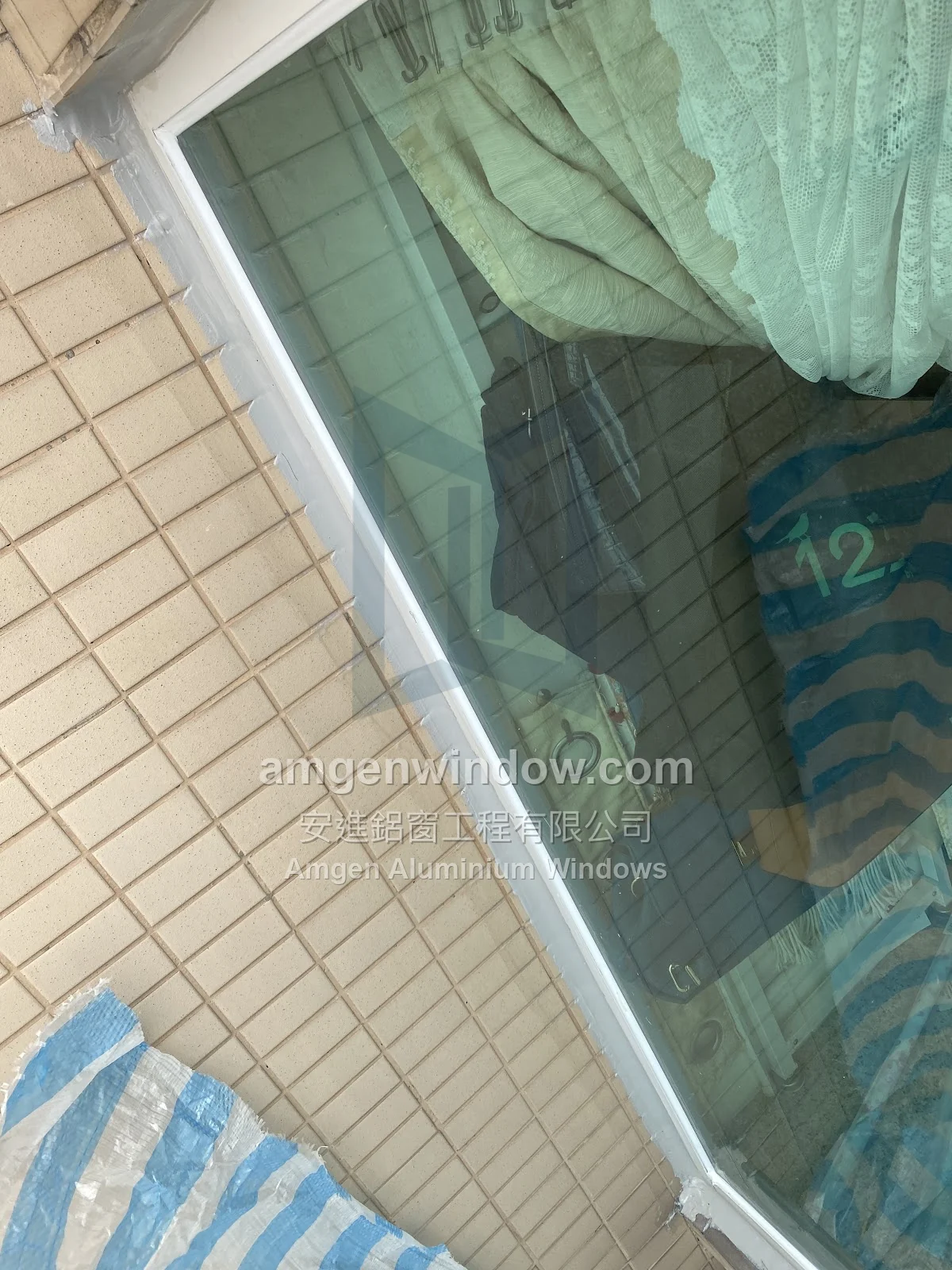
The second is silicone (glass sealant), a paste-like sealant used to fill the joints between the frame and the wall, or between the glass and the frame. This one needs to be "applied" — that is, re-sealed with fresh silicone. One is a strip, the other a paste, and the two are handled in completely different ways.
The 4 Warning Signs of Failing Seals
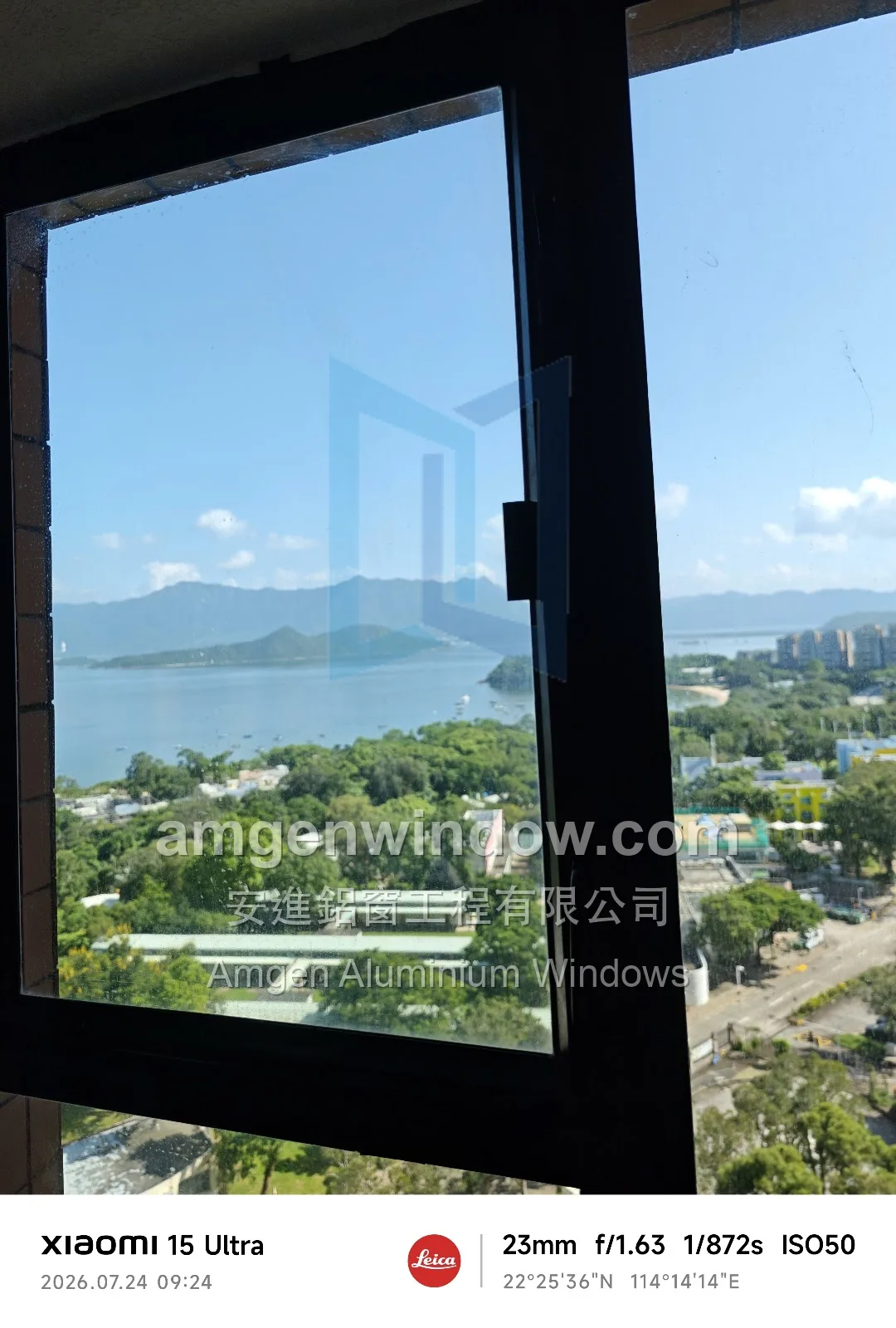
Seal problems are usually gradual, and catching them early lets you fix things before water gets in. Here are the four most common warning signs:
Among these, "mould at the window corners" is often a knock-on effect of leakage — leave it unattended and moisture seeps into the wall, widening the scope and cost of repair.
"Replace" the Weatherstrip or "Apply" Silicone? Clearing Up the Right Approach
This is the point owners most often confuse, and it is also a key test of whether a technician is professional.
If the problem lies with the weatherstrip between the frame and the sash — hardened, shrunk or gone tacky — the correct approach is to replace it with a brand-new silicone-rubber weatherstrip, removing the old strip completely and fitting a new one to restore airtightness. Using silicone to "fill in" a hardened weatherstrip only treats the symptom and won't last.
If the problem lies in the joints between the frame and the wall, or between the glass and the frame, then the joint needs to be re-sealed with fresh silicone (glass sealant). The technician first removes the old sealant, then applies new waterproof silicone. An easy way to remember: strip-shaped weatherstrips are "replaced", while paste-like silicone is "applied". To address window-edge joint waterproofing at the same time, see our aluminium window waterproofing service.
When Should Weatherstrips Be Replaced? Process and Cost Reference
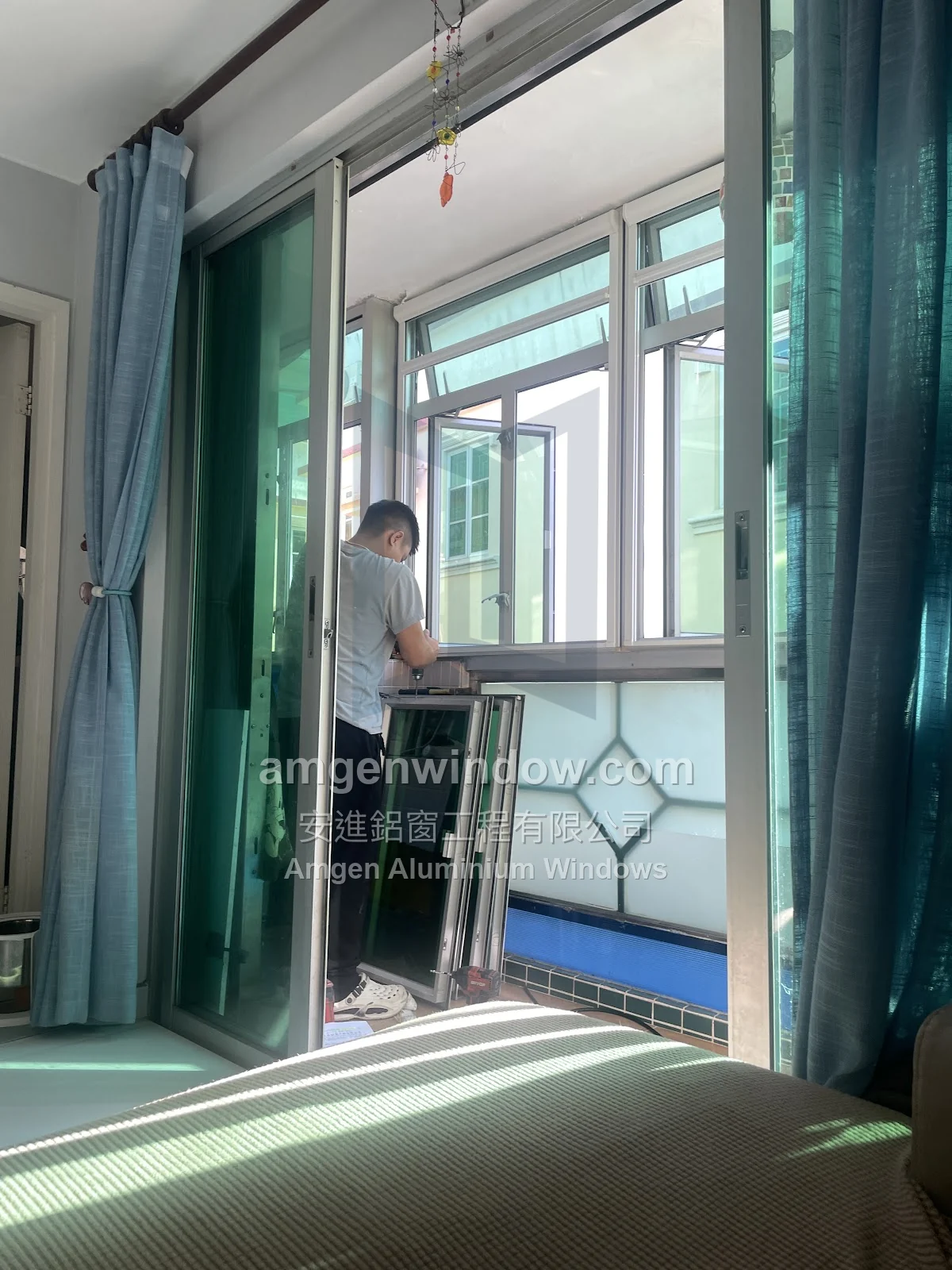
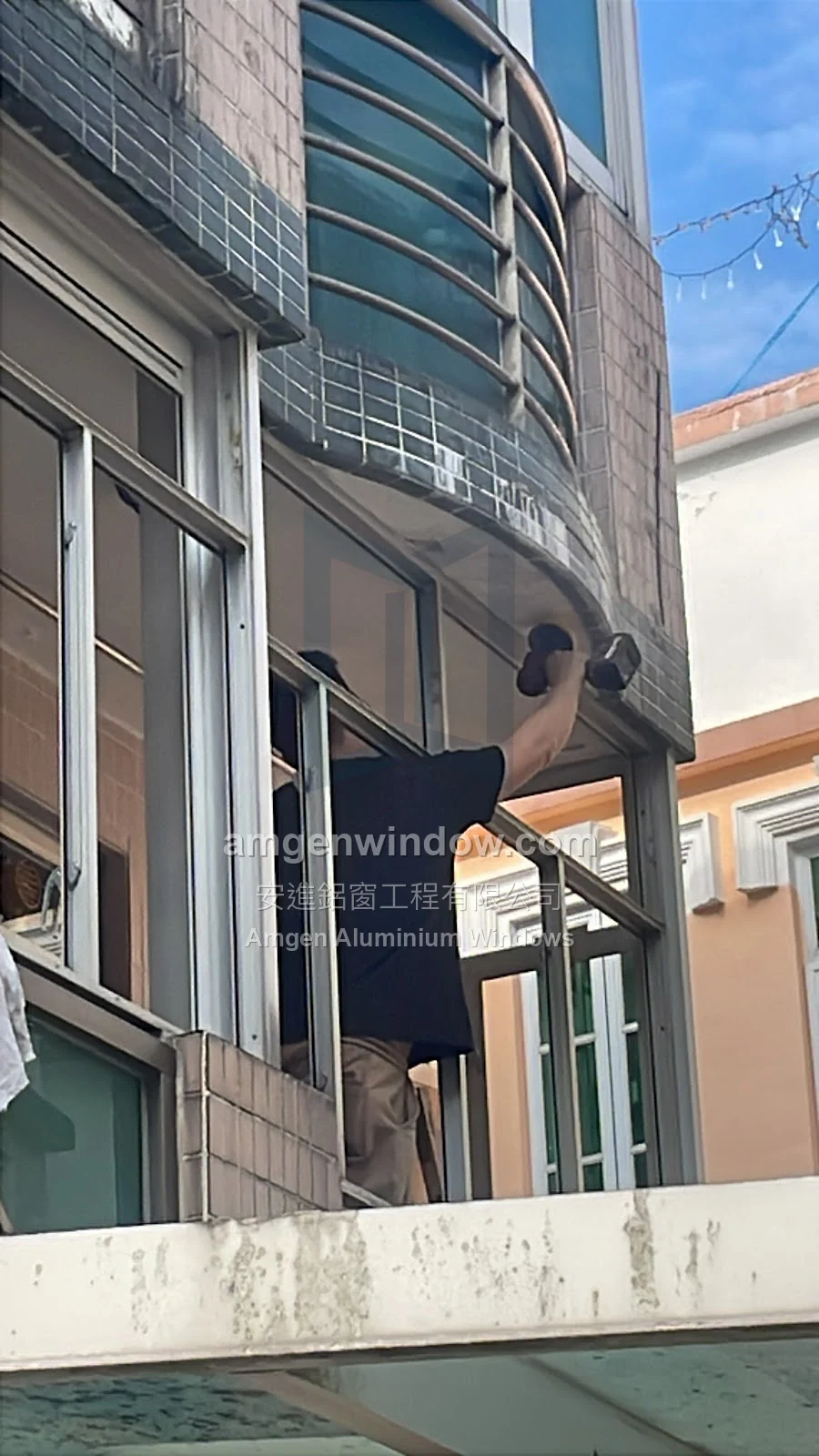
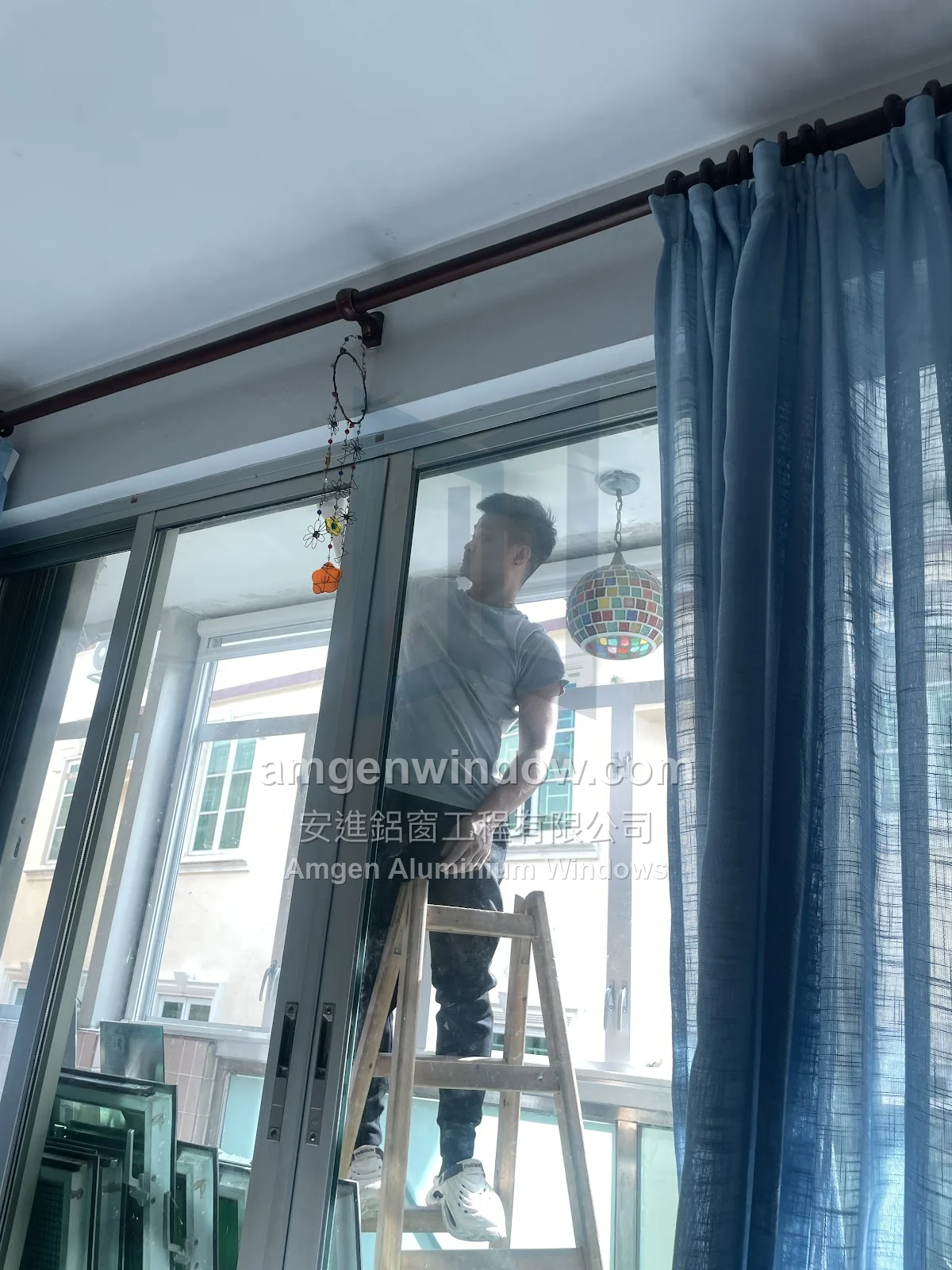
Weatherstrips are consumable parts, not permanently durable. As a rule, if any of the warning signs above appears, you should arrange for a technician to inspect. The replacement process is roughly as follows:
Weatherstrip replacement generally falls under aluminium window repair and maintenance, with cost depending on the number of windows, the weatherstrip gauge and whether silicone also needs applying. If handling each item separately feels like a hassle, Amgen's Four-Treasure Works already covers hinge, handle, inner and outer weatherstrip replacement and silicone waterproofing together — a more cost-effective one-off refresh.
A Real Scenario: Hardened Seals and Draughts in an Old-Building Flat
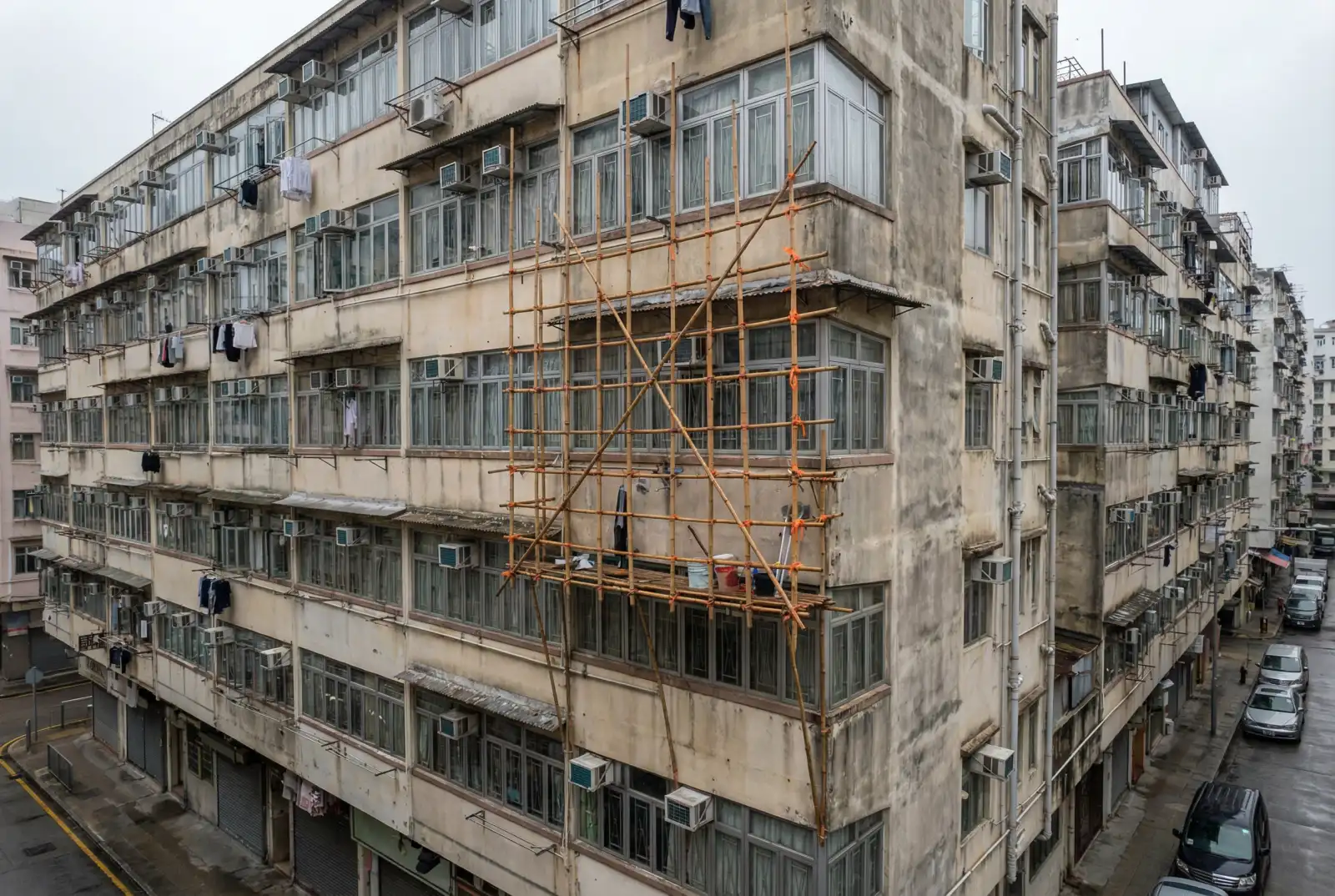
Take a common scenario: an owner living in an old building in Kowloon finds that, come winter, the bedroom still has a whistling draught even with the window shut, feeling cold at night, and water stains appear along the window sill edge when it rains.
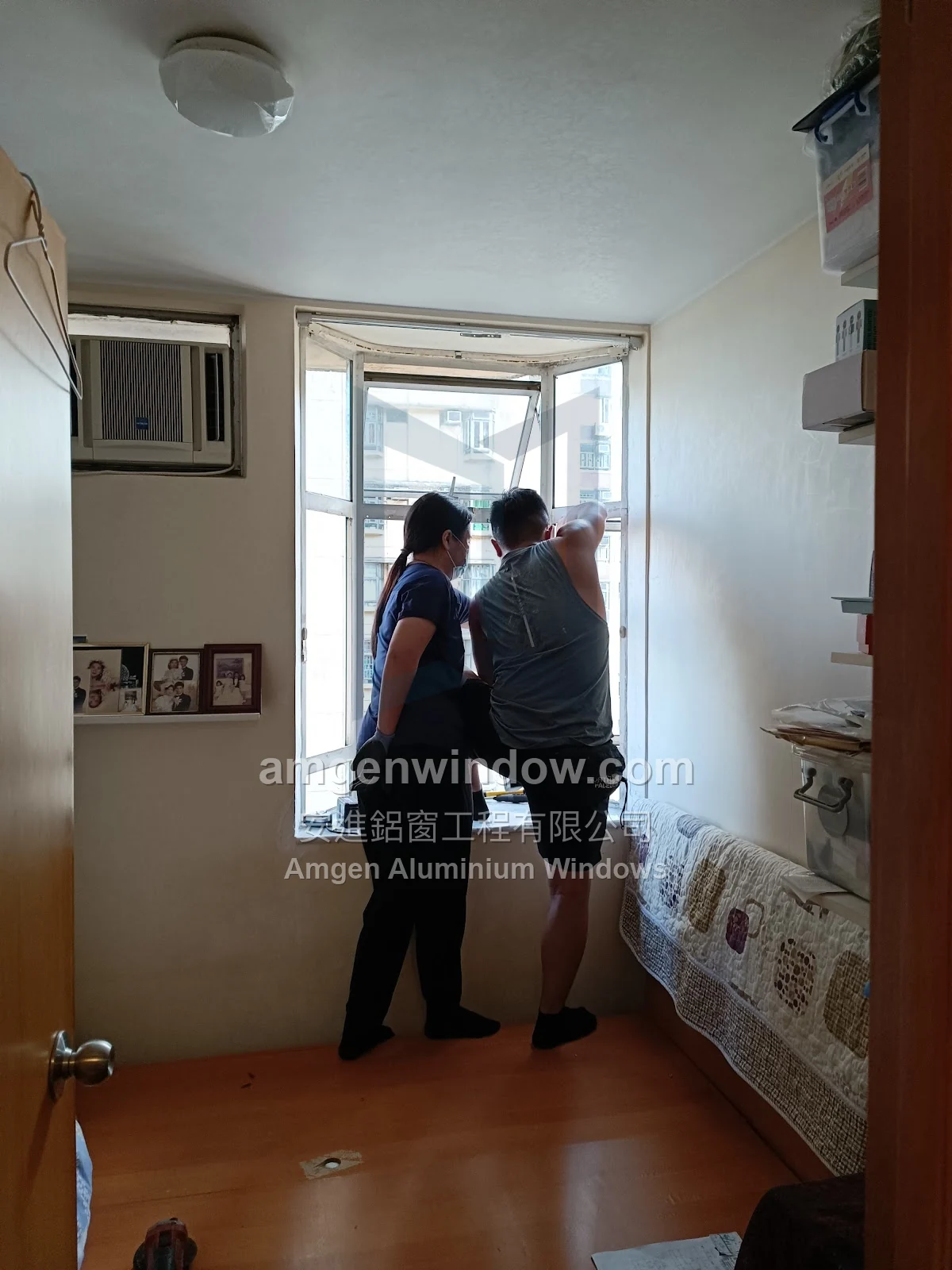
After an on-site inspection, the technician found the sash's silicone-rubber weatherstrip had hardened and shrunk, slipping out of place in several spots, while the old silicone in the frame joints had peeled away. The fix was to replace the weatherstrips throughout the flat and re-seal the joints with fresh silicone. After completion, the owner reported the wind noise dropped markedly and the rain no longer seeped in. This shows that seals, though small, directly affect how comfortable and dry a home stays. If the hinges have also oxidised, or the frames are in poor overall condition, the technician may suggest a full window replacement instead — which is alteration work and must comply with the Class II Minor Works declaration. For how to weigh repair against replacement, see our window repair or replacement guide.
Frequently Asked Questions
My aluminium window seal has hardened — can I DIY the replacement?
Weatherstrips are sold on the market, and in simple cases you could try it yourself, but accurately measuring the frame groove, choosing the right gauge and fitting it snugly is not easy, and joint waterproofing needs professional judgement. If it still leaks air or water after replacement, you'll have to redo it. It's best left to a licensed technician to ensure proper airtightness and waterproofing.
How often do weatherstrips need replacing?
Weatherstrips are consumable parts, and their lifespan depends on sun and rain exposure and maintenance habits, with no fixed interval. Cleaning the weatherstrips regularly after rain and after clear weather, and avoiding dirt build-up, helps extend their life. Once hardening, shrinking or tackiness appears, arrange a replacement.
Will replacing only the weatherstrip solve window-edge leakage?
It depends on the source of the leak. If the leak comes from a failed sash weatherstrip, replacing the weatherstrip will improve it; but if the source is the joint between the frame and the wall, the joint needs re-sealing with silicone, or even further waterproofing works. A professional technician first diagnoses the leak source, then treats it accordingly, avoiding a seal swap that fails to fix the real problem.
Conclusion
Aluminium window seals may seem minor, but they are the first line of defence for airtightness, waterproofing and soundproofing. Watch early for the warning signs of hardening, shrinking, tackiness and draughts, replace the weatherstrips in good time and re-seal with fresh silicone, and you can stop a small issue from becoming leakage or even a damp wall.
Amgen is a licensed minor works contractor (MWC 316/2021), offering one-stop services including weatherstrip replacement, silicone waterproofing and Four-Treasure refreshes. If you suspect your seals are failing, WhatsApp Amgen at 6586 3435 to arrange a free on-site inspection by a technician.

Want to know what the repair costs?
Pick the parts giving trouble and how many, and it becomes a clear enquiry — no need to describe it yourself.
Start a repair quote