Is your sliding window (also called a trolley or horizontal sliding window) getting heavier to push, sticking constantly, or even coming off its track? Or does it still let in draughts and rain during strong winds even when closed? These are the most common sliding window faults, mostly related to the rollers, track and weatherseals. This article breaks down the repairs involved, maintenance tips, and when to repair versus replace, so you can treat the problem at its root.
What Are the Common Sliding Window Problems?
A sliding window relies on rollers at the base of the sash gliding along a track, and after years of use the following problems tend to appear.
Hard to push, sticking. The most common cause is worn rollers, or sand and dust building up in the track, which obstructs the sash and makes it increasingly hard to push.
Sash derailing, tilting or dropping. When rollers are badly worn or the track is deformed, the sash can no longer glide steadily, leading to derailing, tilting or even dropping, with a grinding noise on operation.
Draughts and leaks even when closed. Sliding windows rely on brush strips and weatherseals to block wind and rain; once the brush strips fall off or the weatherseals harden and shrink, draughts and water still get in during strong winds even with the window closed.
Won't close tightly or lock. A loose or oxidised handle prevents the sash from locking securely, making it easy to be pushed open by strong winds during typhoons — a safety hazard not to be overlooked.
Sliding Window Repairs & Methods
For different problems, sliding window repairs mainly involve the following, most of which can be done from indoors.
| Problem | Repair item |
|---|---|
| Hard to push, sticking | Replace rollers, clean and realign track |
| Derailing, tilting, dropping | Replace rollers, realign track or sash |
| Draughts and leaks | Replace brush strips and weatherseals |
| Won't close tightly or lock | Replace handle |
| Poor drainage | Clear the track's drainage holes |
Replacing rollers: Rollers are the core component of a sliding window, and once worn they make the sash sluggish and hard to push. The technician removes the sash and fits durable rollers to restore smooth sliding.
Cleaning and realigning the track: Sand and dust in the track accelerate roller wear; after cleaning, realigning the track to level extends roller life.
Replacing brush strips and weatherseals: Brush strips and weatherseals are key to a sliding window's wind and water resistance, and must be replaced when hardened, shrunk or fallen off to restore the seal. For related parts, see the complete guide to aluminium window accessories.
Replacing the handle: A loose or oxidised handle affects secure locking and must be replaced for safety. The above repairs all fall within Amgen's aluminium window repair service.
Sliding Window Maintenance Tips to Extend Its Lifespan
Simple routine maintenance can greatly extend the smoothness and lifespan of a sliding window.
Repair, Convert to Casement, or Replace?
Whether to repair, change the window type or replace can be judged by the following situations.
Individual component problems → repair. If it is just worn rollers, hardened weatherseals or a loose handle, replacing the relevant parts is enough — affordable and completed the same day.
Multiple problems or a deformed frame → consider replacing. If the frame is already deformed and several components have failed at once, repeated repairs may not be worthwhile; see repair or replace your aluminium windows to help decide.
Want to change the window type → convert a sliding window to casement. Some owners convert a sliding window to a casement (side-hung) window to improve ventilation or usability. Each aluminium window type has its own characteristics, so choose according to your needs; full replacement is alteration work involving the wall structure and must comply with Class 2 Minor Works declaration.
Real Scenario: A Living Room Sliding Window That Wouldn't Move and Let in Draughts
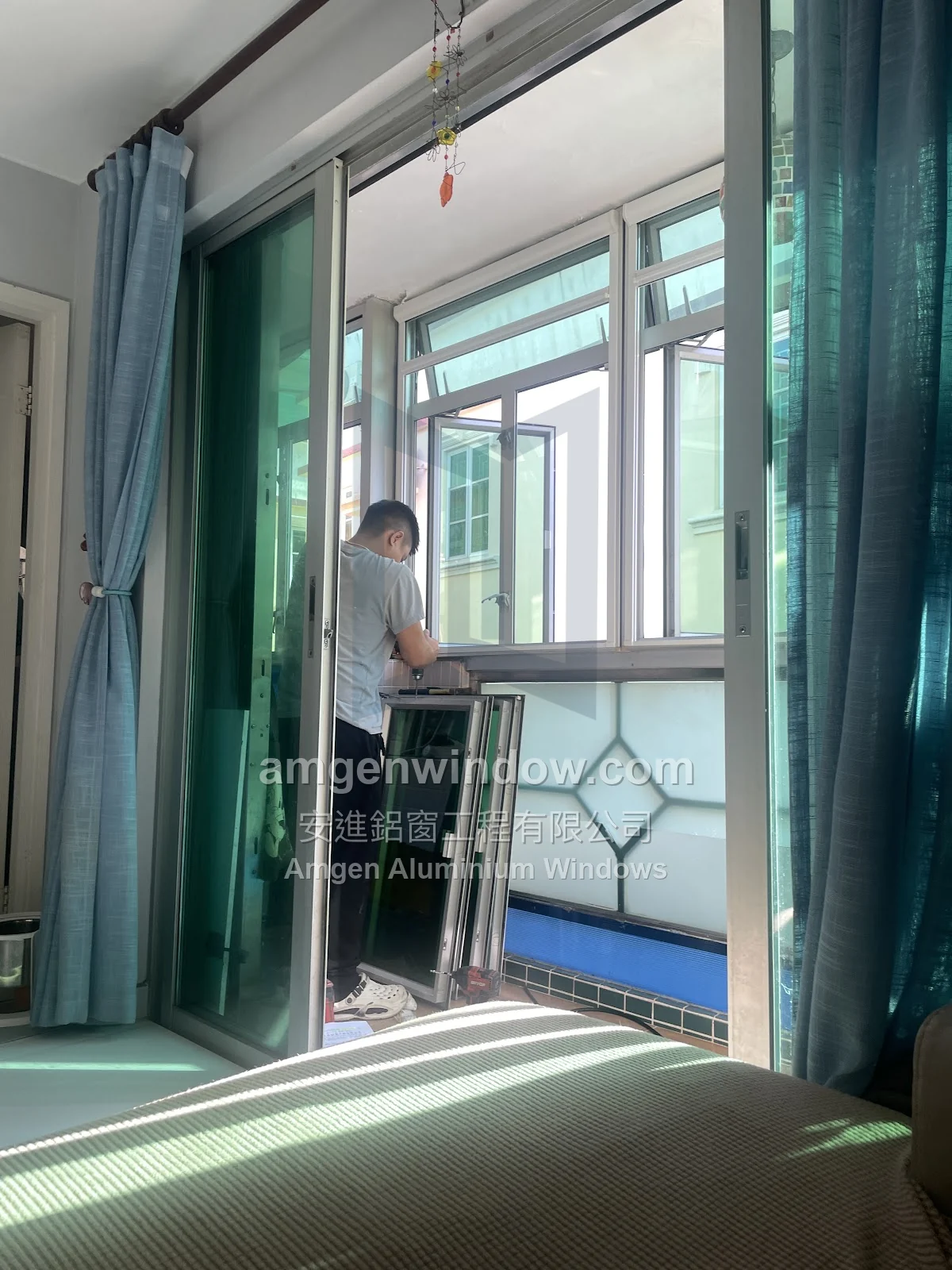
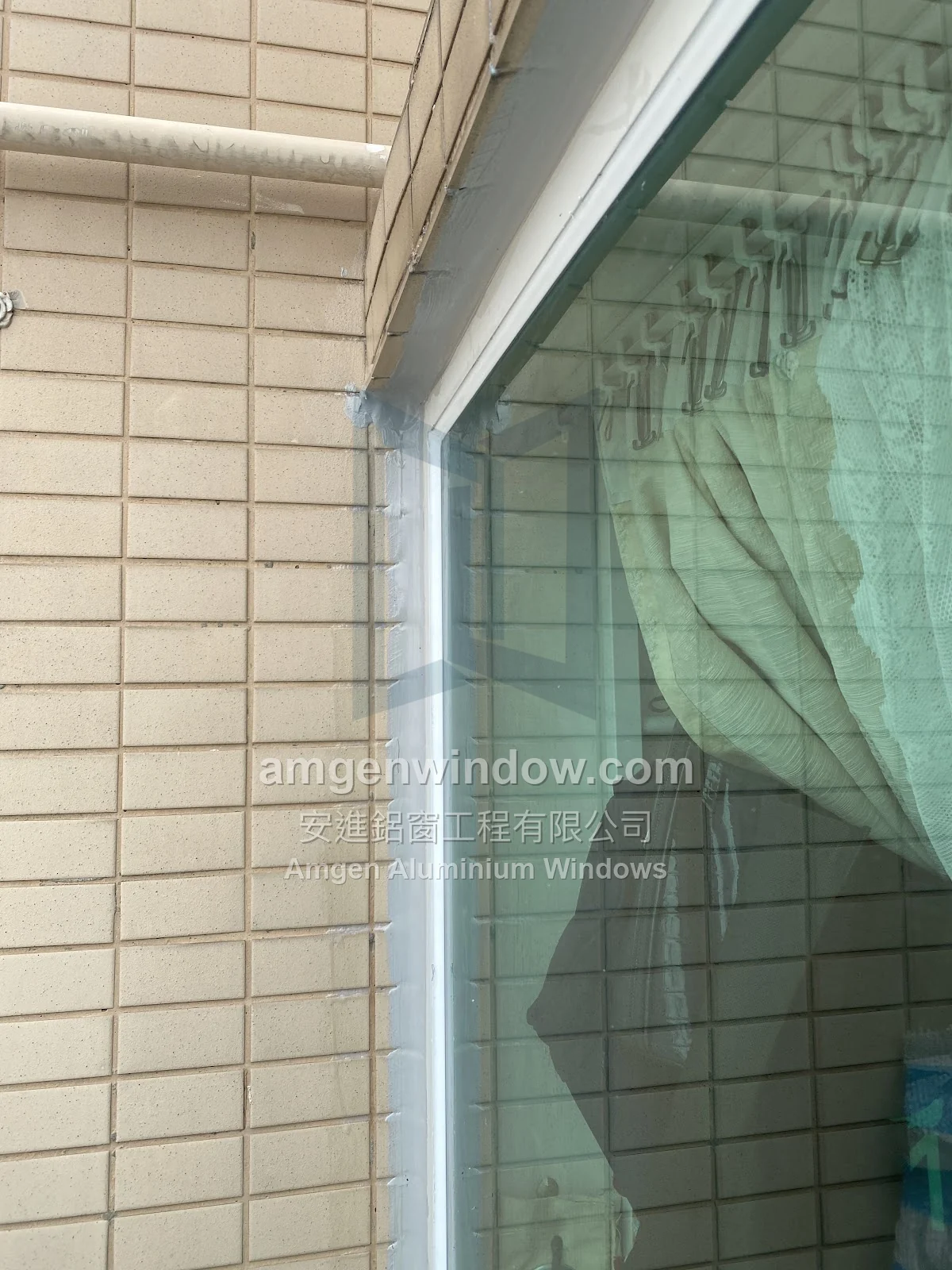
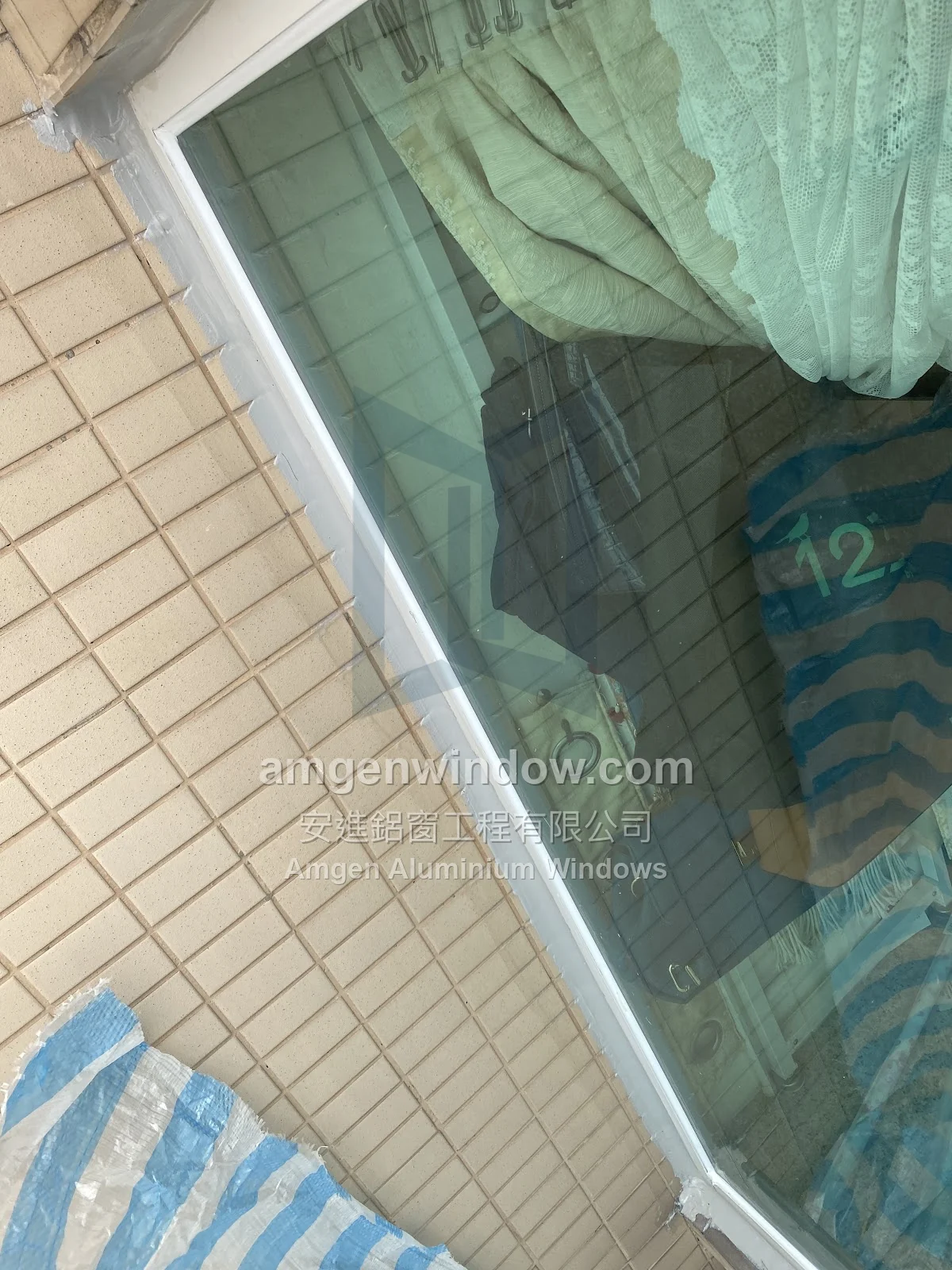
The owner of a private flat in Kwun Tong reported that the large living-room sliding window was getting harder to push and still let in draughts on typhoon days when closed, with signs of seepage along the window edge. After an on-site inspection, the technician found the rollers were badly worn, the track was full of sand, the brush strips had fallen off, and the handle was loose.
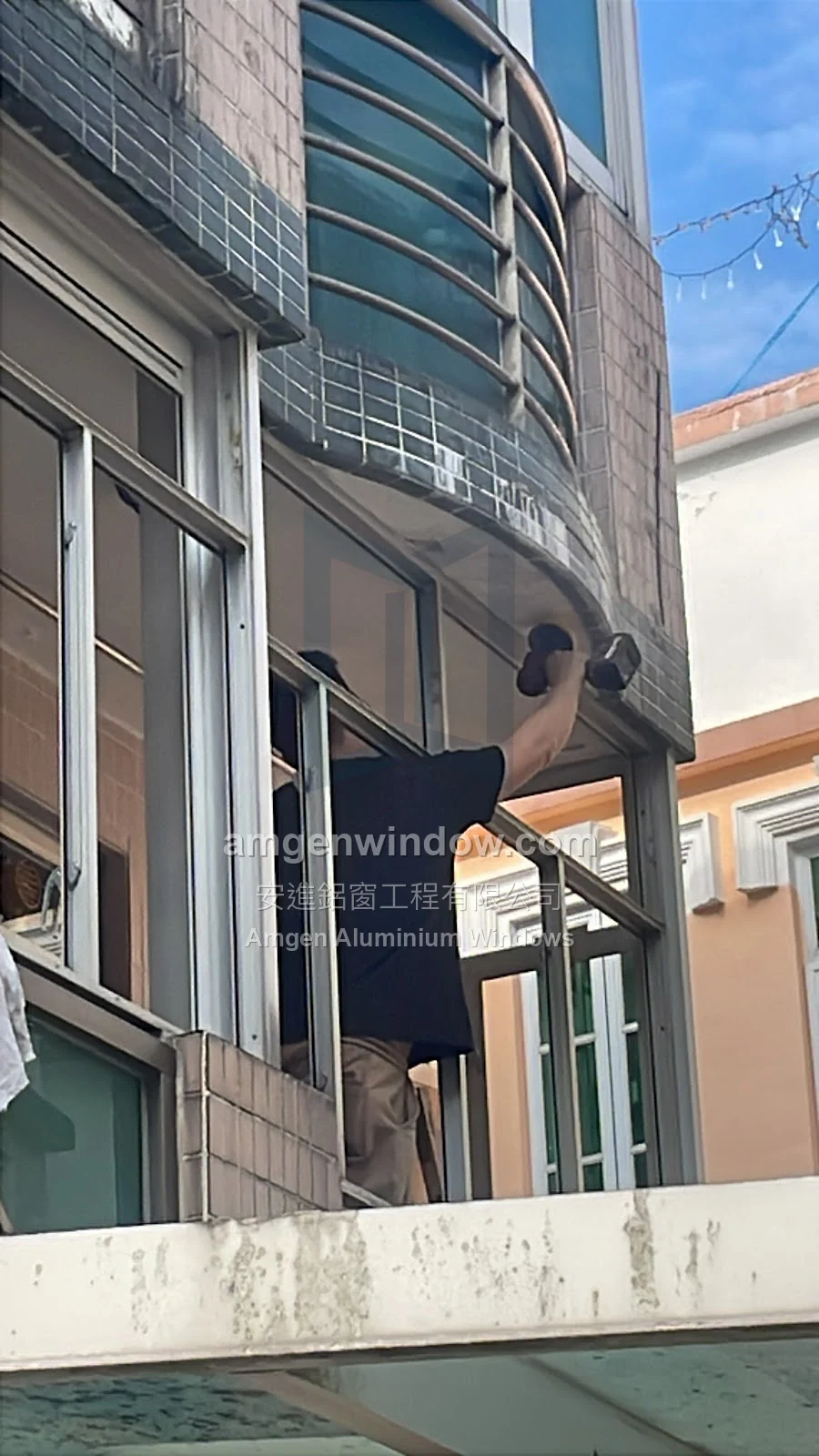
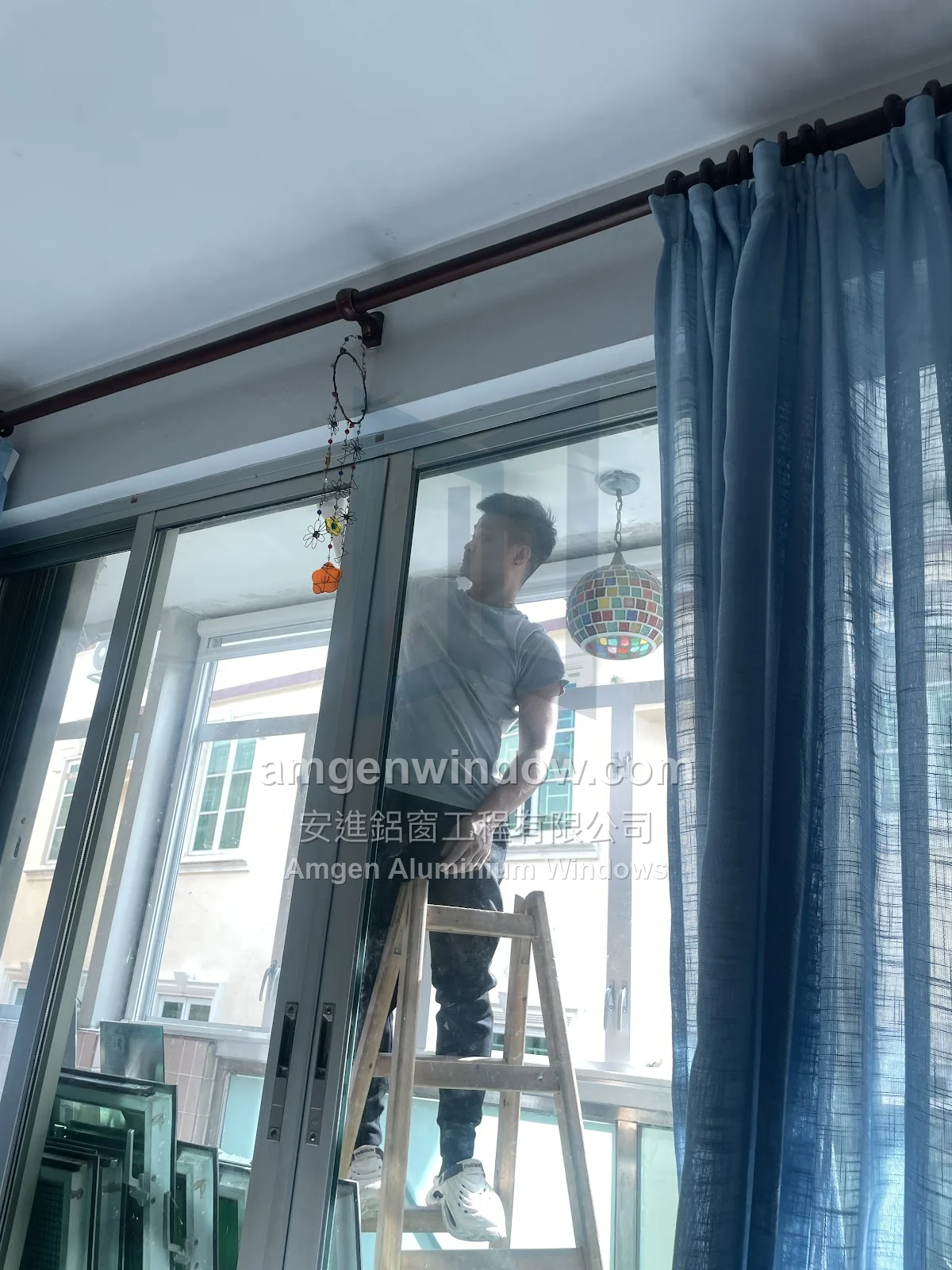
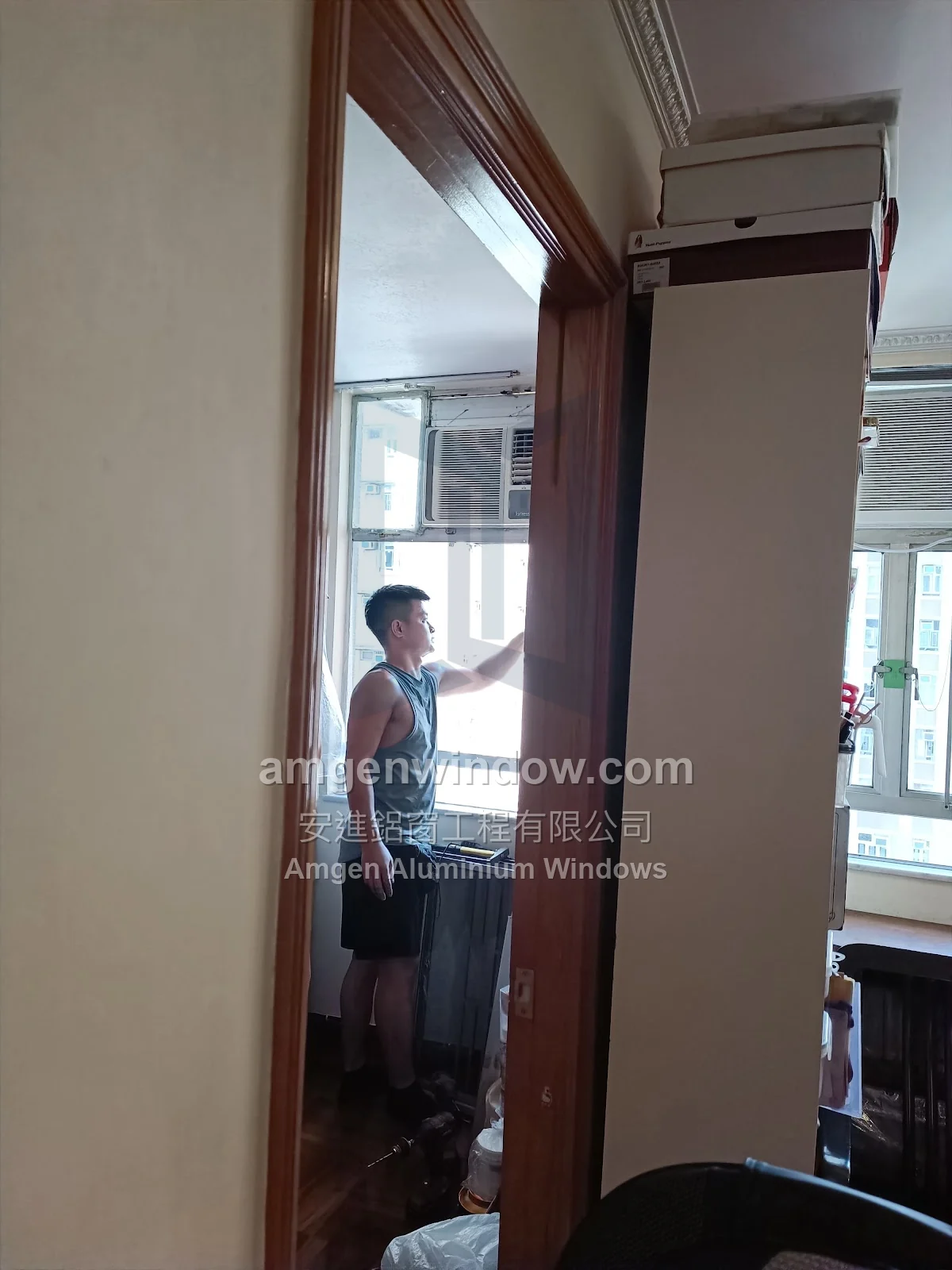
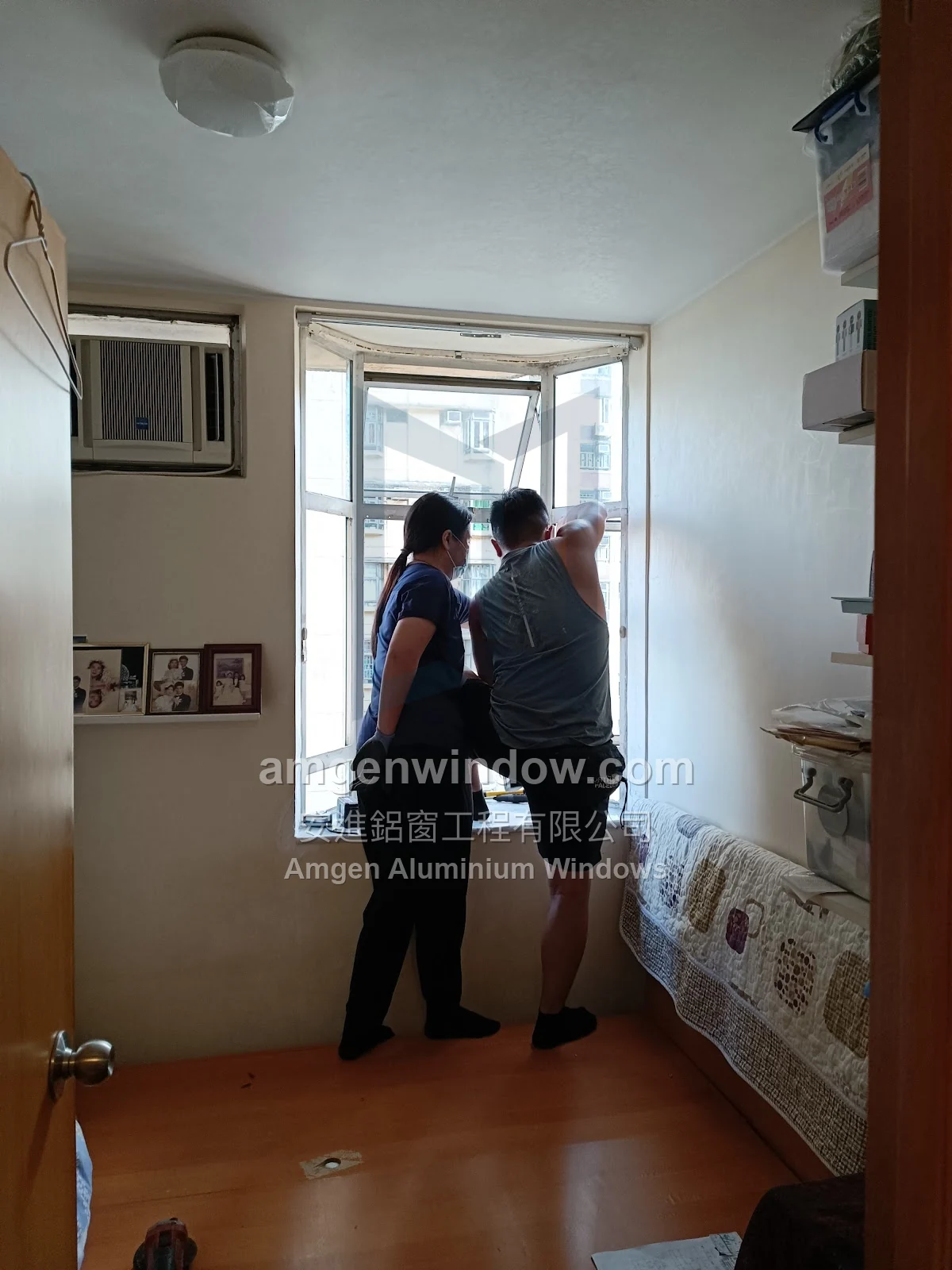
The technician replaced the full set of rollers, thoroughly cleaned and realigned the track, renewed the brush strips and weatherseals, and replaced the handle. Afterwards the sash slid smoothly again and closed tightly with no gaps, staying watertight through heavy rain the next day. The whole job was completed indoors within half a day, with no scaffolding needed.
Frequently Asked Questions
How long do sliding window rollers last?
It depends on frequency of use and maintenance, but they generally last several years. If the track constantly accumulates sand and is rarely cleaned, roller wear speeds up. When sliding starts to feel sluggish or grinds, it is the signal to check or replace the rollers.
How long does sliding window repair take? Is scaffolding needed?
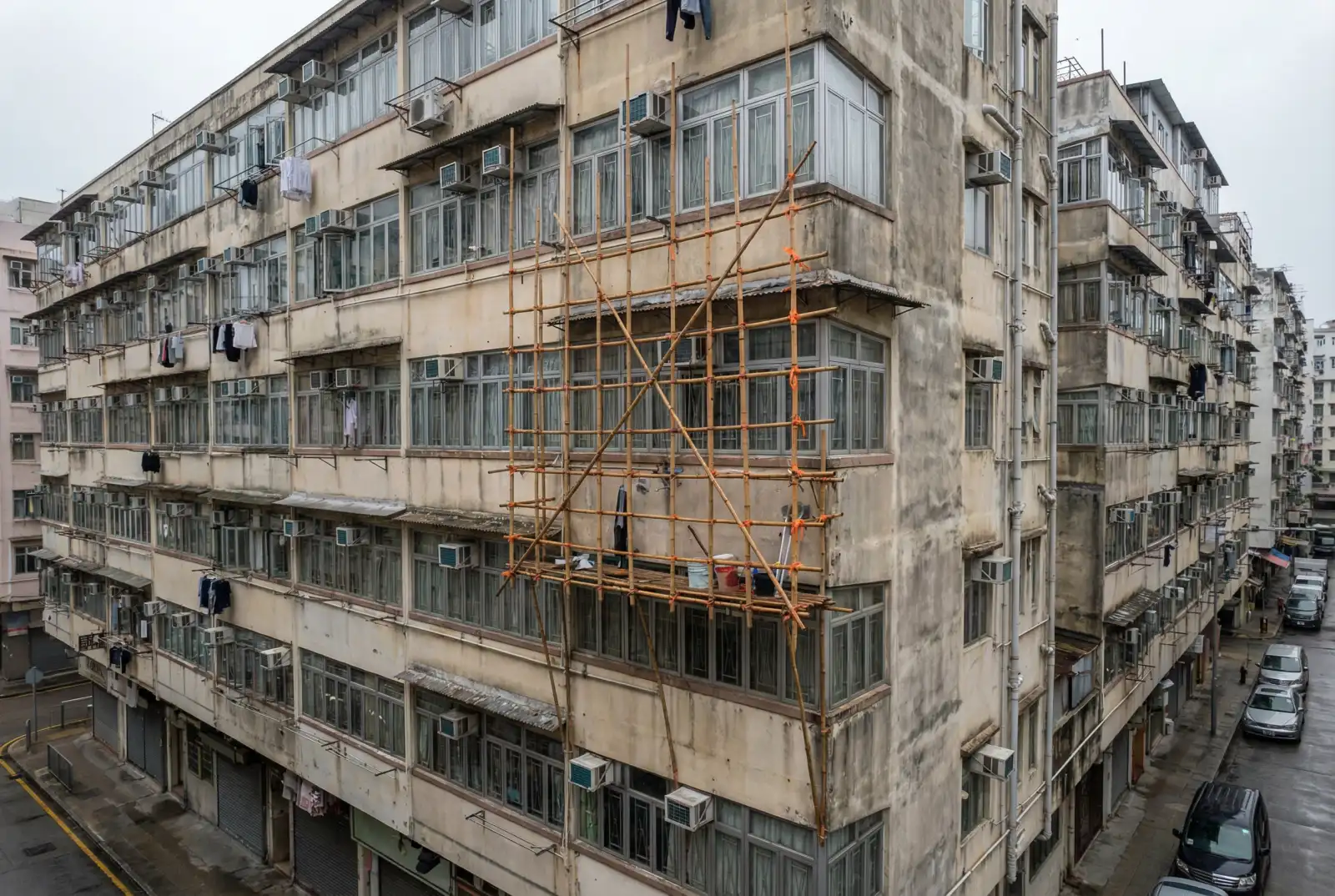
The vast majority of sliding window repairs — replacing rollers, brush strips, weatherseals and handles — can be done from indoors, usually completed the same day, with no scaffolding. Scaffolding is only needed when the job involves full window replacement or external wall works, depending on the floor.
If my sliding window lets in draughts, must I replace the whole window?
Not necessarily. Sliding window draughts mostly stem from fallen brush strips or hardened, shrunken weatherseals, which can be solved by replacing those parts without replacing the whole window. Only when the frame itself is deformed or multiple parts have failed should replacement be considered.
Sliding Window Trouble — Early Repair Saves the Most Hassle
The rollers, track and weatherseals of a sliding window are wear-and-tear parts, and early repair prevents small issues from turning into derailing or seepage. Amgen Aluminium Windows holds licence MWC 316/2021 and offers one-stop sliding window repair, replacement and waterproofing services, with free on-site assessment across all 18 districts of Hong Kong.
For enquiries, WhatsApp us at 6586 3435 to book a technician visit with peace of mind.

Want to know what the repair costs?
Pick the parts giving trouble and how many, and it becomes a clear enquiry — no need to describe it yourself.
Start a repair quote