
Do Insulated Glass Units Work? A Hong Kong Homeowner's Guide to Choosing Heat-Insulating Glass Before Replacing Windows
Every summer, many Hong Kong owners find that even with the aircon running non-stop, west-facing or sun-exposed rooms stay stuffy and hot while the electricity bill keeps climbing. The root cause often lies not in the aircon, but in the window glass — ordinary single-pane glass does almost nothing to block the heat carried by sunlight. Choosing the right heat-insulating glass when you replace your windows, such as insulated (double-glazed) glass or Low-E glass, can effectively lower indoor temperatures and ease the load on your aircon. This guide breaks down the differences between the various types of insulating glass, how they work and what they cost, to help you make an informed choice before replacing your windows.
Why Do Hong Kong Flats Get So Hot in Summer? Glass Is the Main Source of Indoor Heat
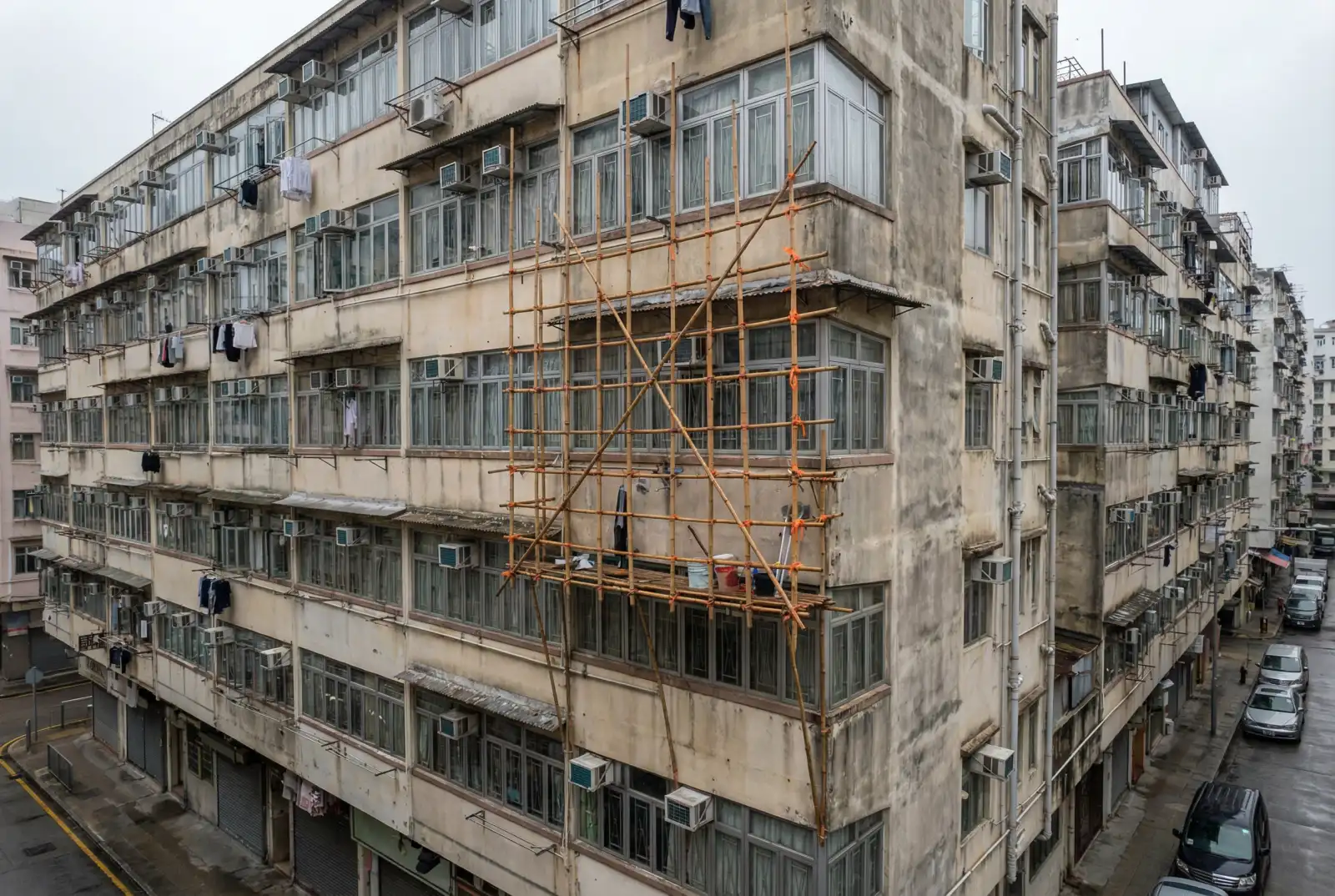
Hong Kong has a marine climate with intense, prolonged summer sunshine. Combined with the city's dense building layout and the sheer number of west-facing flats, indoor temperatures often feel higher than outdoors. Most of the heat in sunlight enters the home through the windows, and ordinary single-pane glass has almost no ability to block infrared radiation. The larger the window and the longer the sun exposure, the more heat accumulates indoors — and the more electricity the aircon must burn to keep the room cool.
If your flat is west-facing, on a top floor or has floor-to-ceiling windows, the insulating performance of the glass matters even more. Rather than simply turning up the aircon, choosing the right insulating glass at the source is the durable, energy-saving approach. To understand the differences between window structures first, see our aluminium window types guide.
How Many Types of Insulating Glass Are There? Single-Pane, IGU, Low-E and Double-Glazed Compared
"Heat-insulating glass" is a broad term that actually covers several structures and coating technologies, with considerable differences in performance and price. The table below summarises the common options:
| Glass Type | Structure | Insulation Performance | Best For |
|---|---|---|---|
| Ordinary single-pane glass | Single sheet of glass | Weakest | Tight budgets, rooms without sun exposure |
| Insulated glass / IGU (double-glazed) | Two panes with a sealed dry-air cavity | Good | West-facing, needs both sound and heat insulation |
| Low-E insulated glass | IGU with a low-emissivity metallic coating on one surface | Best | Strong sun exposure, energy saving |
| Laminated glass | Two panes bonded by a PVB interlayer | Moderate (mainly safety and sound) | High-floor fall prevention, soundproofing |
Insulated glass (IGU), commonly called double-glazed glass, is the mainstream choice for heat insulation when replacing windows. A cavity of dry air or inert gas sealed between the two panes forms an insulating layer that effectively slows heat transfer, while also offering some soundproofing.
Low-E glass builds on the IGU by adding a low-emissivity (Low-E) metallic coating to the glass surface, reflecting most infrared heat while keeping the glass transparent. Combined as "Low-E insulated glass", these two form the most effective insulation option available today. If noise rather than heat is your main concern, the selection logic differs — see our soundproof glass buying guide.
Insulated Glass vs Window Film: A Distinction You Must Clarify Before Replacing Windows
Many owners ask: since applying "window insulation film" is cheaper, can it replace switching to insulated glass? In reality, the two differ clearly in both principle and result.
Window insulation film is a reflective layer applied to the surface of existing single-pane glass, reflecting part of the sunlight — a lower-cost, temporary solution. However, the film fades, bubbles or peels over time, and the insulating layer is still only a single pane, so both heat and sound insulation remain limited.
Insulated glass, by contrast, raises insulating capacity at the structural level and is completed in one go alongside a full aluminium window replacement, lasting far longer while also improving soundproofing and wind resistance. If the window's hinges have already oxidised and the weatherstrips have hardened and shrunk, upgrading the glass while you replace the windows is the more cost-effective move in the long run. For the overall replacement budget, see our aluminium window replacement cost guide.
Three Things to Note Before Choosing Insulating Glass
Choosing the right glass is only the first step; whether the glass actually delivers its insulating effect depends on the overall installation. Keep these three points in mind before replacing your windows:
Amgen offers a one-stop aluminium window replacement service, following through from measuring, window removal and glass selection to waterproofing and declaration.
A Real Scenario: A West-Facing Flat Switches to Low-E Insulated Glass
Take a common scenario: an owner living in a west-facing flat in Kwun Tong finds that the living room bakes in the afternoon sun, and even with the aircon running all day it never feels cool enough, keeping the bill high. After an on-site inspection, the technician found the original windows used ordinary single-pane glass, and the hinges had oxidised and no longer opened smoothly.
Amgen recommended upgrading to Low-E insulated glass during the window replacement, along with replacing the hinges with 304 stainless steel and renewing the inner and outer weatherstrips. After the works were completed under the Class II Minor Works declaration, the owner reported that the afternoon stuffiness eased noticeably, the aircon ran for shorter periods, and the change should help save on electricity over time. This is exactly the practical benefit of "choosing the right glass when replacing windows".
Frequently Asked Questions
Can insulated glass really cut aircon bills?
Insulated glass slows heat transfer through its sealed air cavity, and combined with a Low-E coating that reflects infrared, it effectively reduces the heat entering the home through the windows. The room heats up more slowly, easing the aircon's load and helping to save on electricity over time. The actual savings depend on the flat's orientation, window area and usage habits.
Can I replace just the glass on old windows, without changing the whole window?
In some cases the glass can be replaced on its own, but if the frame is too thin to hold insulated glass, or the hinges have oxidised and the weatherstrips have hardened and shrunk, replacing only the glass is not enough. In most cases, upgrading the glass during a full window replacement gives the best heat, sound and water insulation, and also meets the Class II Minor Works declaration requirement.
Will Low-E glass make my room darker?
Quality Low-E glass mainly reflects infrared (heat) and has a limited effect on visible light, so the room stays naturally bright. When buying, ask your licensed contractor about the light-transmission figures of different Low-E coatings and choose a suitable type based on the room's orientation and your needs.
Conclusion
Hong Kong summers are hot and long, and choosing the right insulating glass when you replace your windows is a practical way to improve indoor temperatures and electricity bills at the source. Insulated glass and Low-E glass each have their strengths, and only with a suitable frame, proper sealing and compliant declaration will they deliver their best.
If you are considering replacing your windows, or want to know which insulating glass suits your flat, WhatsApp Amgen at 6586 3435 to arrange a free on-site assessment by a licensed technician, who will tailor the most suitable recommendation for you.
Contact Us Today
Book a free on-site window inspection and quotation — Licensed Contractor MWC 316/2021