What Is a Window Hinge?
A window hinge is the critical component connecting the window sash to the frame, bearing the full weight of the window and allowing it to open and close smoothly. A poor-quality or damaged hinge not only affects the normal operation of the window — it may also cause the window to fall off unexpectedly, endangering public safety.
In Hong Kong's hot and humid climate, standard iron hinges are highly susceptible to rust and typically require replacement every 3–5 years, making window hinge replacement costs relatively high over time. High-quality 304 stainless steel hinges, on the other hand, can last over 30 years — far more economical in the long run.
5 Warning Signs That Hinges Need Replacing
Standard Iron Hinges vs 304 Stainless Steel Hinges
| Comparison | Standard Iron Hinge | 304 Stainless Steel Hinge |
|---|---|---|
| Corrosion resistance | Low — rust-prone | High — corrosion resistant |
| Service life | 3–5 years | 30+ years |
| Load-bearing capacity | Average | High (50,000-cycle tested) |
| Suited to HK climate | No | Yes |
| Price | Lower | Moderate |
| Long-term cost | High (frequent replacement) | Low |
Professional Replacement Process (6 Steps)
Daily Maintenance Tips
Even with high-quality hinges, regular maintenance remains important. After rain, when skies have cleared, open the windows and use a cloth to wipe down hinge surfaces and window channels — this effectively reduces acid erosion from rainwater. If hinges feel stiff or unsmooth, clean dust from the window channels and apply a small amount of sewing machine oil for lubrication.
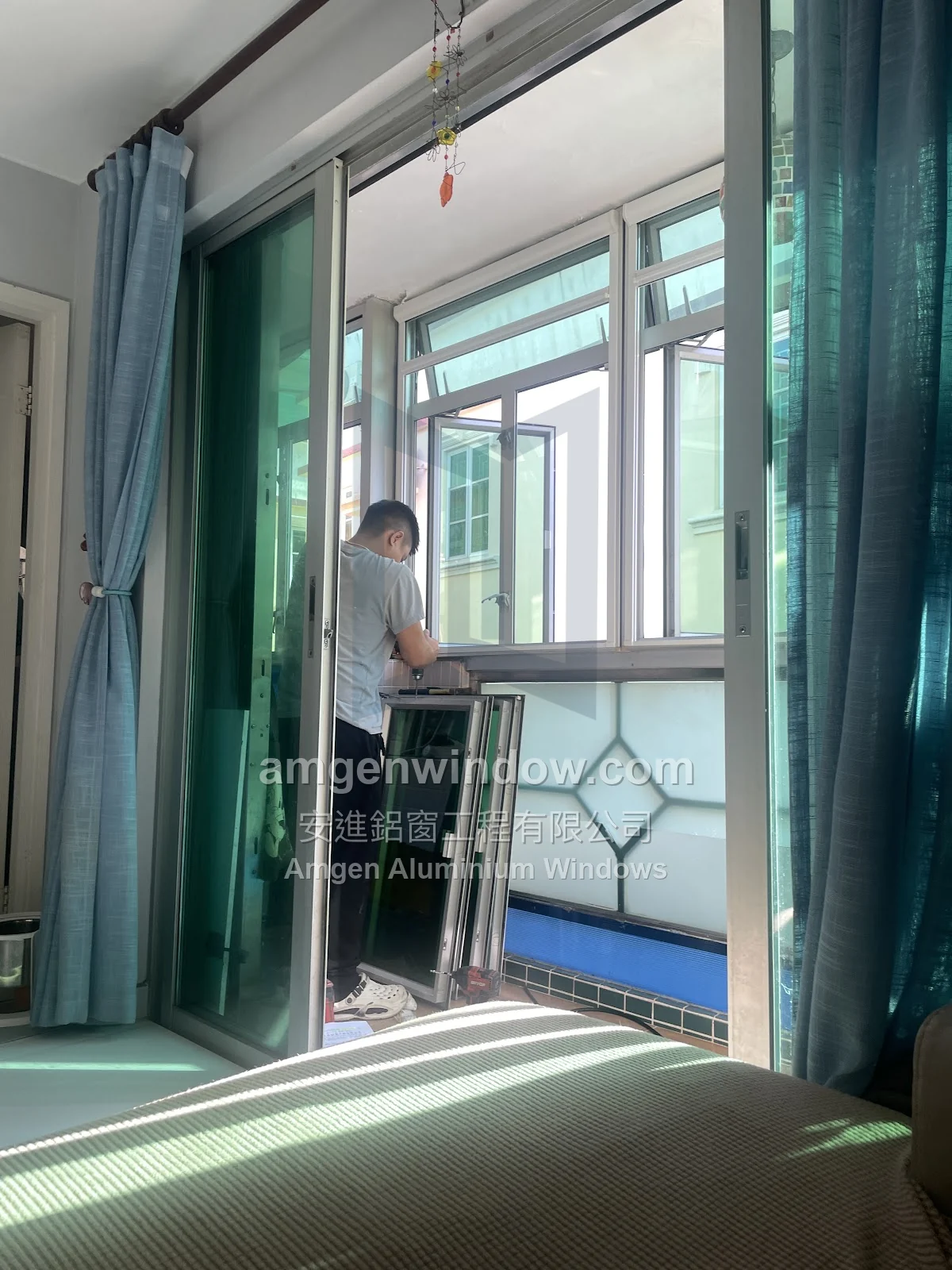
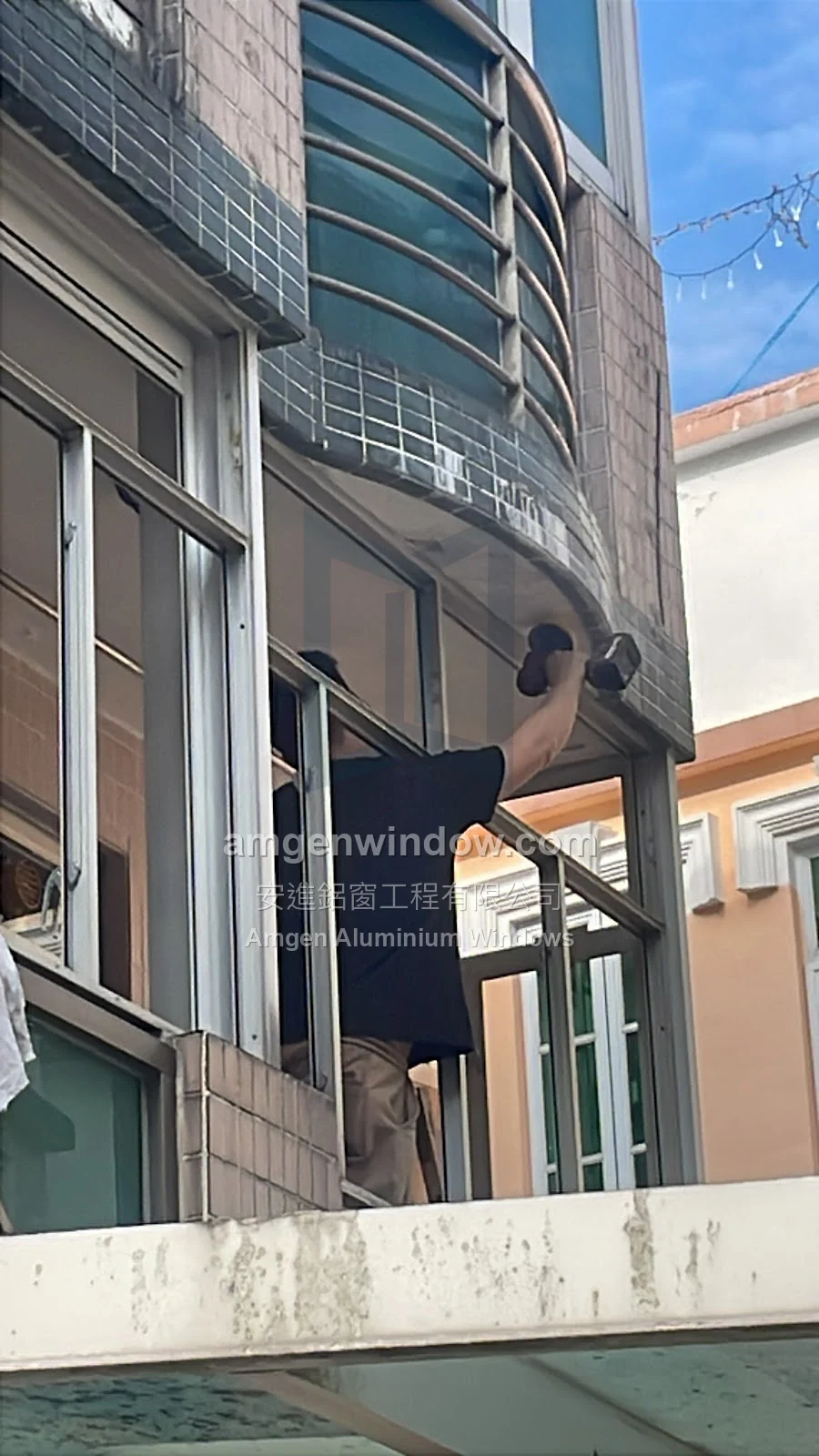
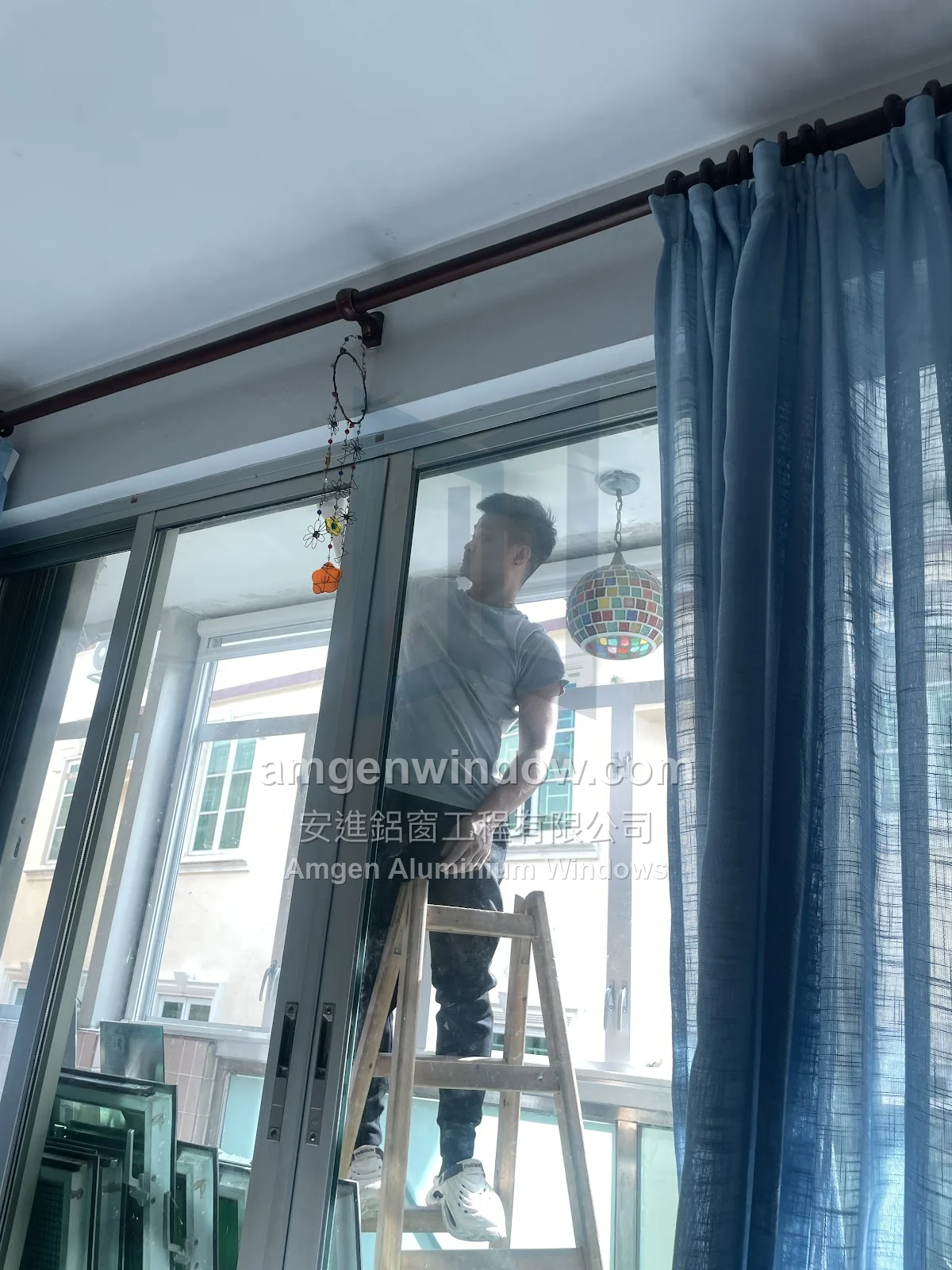
The 304 stainless steel hinges supplied by Amgen Aluminium Windows are certified through 50,000-cycle testing and meet international standards — the ideal choice for Hong Kong's climate. When a hinge oxidises or feels stiff, it can be replaced through Amgen's aluminium window repair service — no full window replacement needed.

Want to know what the repair costs?
Pick the parts giving trouble and how many, and it becomes a clear enquiry — no need to describe it yourself.
Start a repair quote