Why Do Windows Get Condensation ('Sweating')? Causes, Risks & How to Fix Aluminium Window Condensation in Hong Kong
During Hong Kong's humid spring ("Return of the South" weather) or on winter mornings, many homeowners wake up to find the glass and aluminium window frames covered in a layer of droplets, sometimes even running down onto the window sill. The first reaction is usually to assume the window is leaking and that waterproofing works are needed — but in most cases this is condensation, also known as "window sweating." Understanding what causes condensation not only saves you from paying for the wrong works, but also lets you treat the real problem and enjoy a dry home again.
What Is Window Condensation? First, Tell Condensation From Leakage
Condensation, formally known as dew or condensed water, forms when warm, moist indoor air meets the cooler surface of the glass or aluminium window frame. The water vapour in the air condenses into droplets on that surface — just like a cold drink taken out of the fridge quickly "sweats" on the outside of the glass.
Condensation itself does not mean the window is broken; it is a physical phenomenon caused by a combination of temperature difference and humidity. The problem is that its symptoms — water at the window edge, a soaked sill — look very similar to genuine leakage, which leads many homeowners to misjudge the situation. Telling the two apart is the first step to handling it correctly.
| Comparison | Condensation ("sweating") | Leakage |
|---|---|---|
| Where water appears | Indoor surface of the glass and aluminium frame | Joint between frame and wall, the sill |
| When it appears | Humid spring days, mornings with a big temperature gap | During rain or typhoons |
| Source of water | Water vapour in the indoor air | Outdoor rainwater seeping through gaps |
| Spread on glass | Usually the whole pane is covered in droplets | Centre stays dry; only seeps at the corners |
If you notice water only during rain or typhoons, concentrated at the corners of the frame, it is more likely genuine leakage — refer to our complete guide to aluminium window waterproofing to trace the source.
Why Are Hong Kong Windows So Prone to Condensation? 4 Main Causes
Hong Kong has a marine climate with high humidity and frequent rain, and the unique "Return of the South" weather in spring makes condensation an annual headache for homeowners. The following four factors often occur together and reinforce one another.
Warm, Moist Southerly Air Meets Cold Walls and Windows
Every year between February and April, cold air recedes and warm, moist southerly winds arrive. At this point the walls, aluminium windows and glass are still cold, so the moment they meet the large volume of warm, moist air, droplets rapidly condense on the surface. This is the worst season for condensation in Hong Kong.
Excessive Indoor–Outdoor Temperature Difference
Running a heater indoors in winter or the air conditioner all day in summer widens the temperature gap between inside and outside. Glass and aluminium frames conduct heat quickly; one side sits close to the outdoor temperature while the other meets the indoor air, so the bigger the gap, the more obvious the condensation.
High Indoor Humidity
Steam from cooking, moisture from showering, drying laundry indoors, and even the breathing of a whole family all keep adding to indoor humidity. The more water vapour there is in the air, the more severe the condensation becomes when it meets a cold window surface.
Single-Glazed Glass and Aluminium Frames Conduct Heat and Lack a Thermal Break
Ordinary single-glazed glass and standard aluminium frames are good heat conductors, effectively building a "cold bridge" between indoors and outdoors that keeps the indoor window surface cold. If the window's weatherstrips have hardened and shrunk, cold air will also seep in through the gaps, worsening localised condensation.
What Happens If You Ignore Condensation?
Many homeowners think condensation is a trivial matter that just needs a wipe, but ignoring it over the long term can have consequences that should not be underestimated.
How to Fix Window Condensation? 5 Methods From Daily Habits to Window Replacement
Handling condensation comes down to two directions: "lowering humidity" and "reducing the temperature difference." Below we break it down step by step, from instant relief to a permanent fix.
| Method | Speed of results | When it suits |
|---|---|---|
| Ventilation | Instant | Humidity not too high, weather cooperating |
| Dehumidifier | Instant | Most homes; the most practical |
| Replace weatherstrips | Short term | Hardened seals, draughts |
| Insulated glass | Long term | Want a permanent fix plus insulation and energy savings |
| Full window replacement | Long term | Old windows with poor sealing and insulation |
A Real Scenario: A "False Leak" During Humid Spring
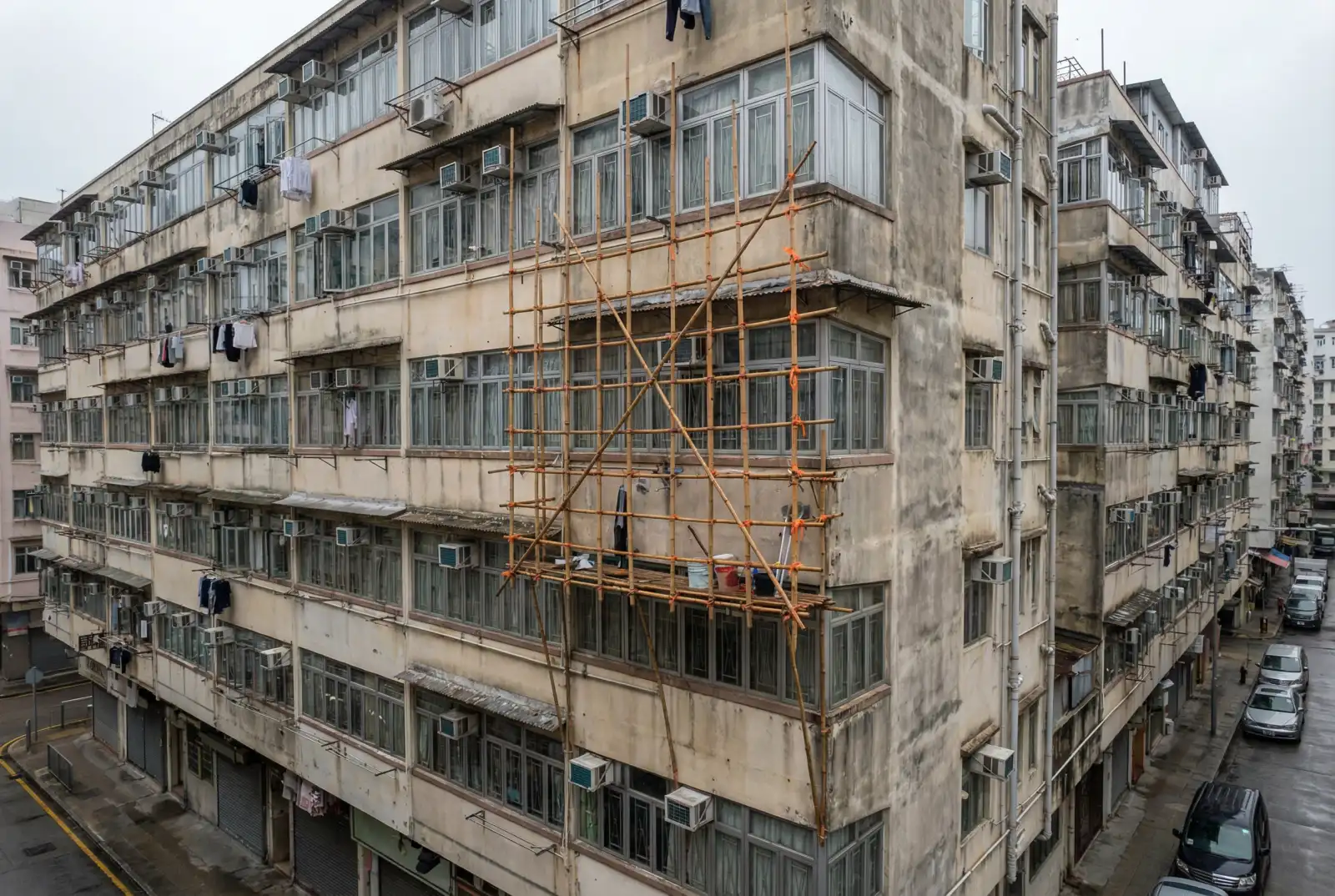
There was once a homeowner living on a high floor in an urban district whose bedroom sill was soaked every morning during the humid spring. They initially thought it was external wall leakage and were about to erect scaffolding for waterproofing works. When the technician came to inspect, they found the droplets were concentrated on the indoor face of the whole pane while the frame joints stayed dry — and it only happened during the humid spring, not when it rained. A textbook case of condensation.
In the end the homeowner first used a dehumidifier for relief, then upgraded the single-glazed glass to insulated glass. The following spring, condensation on the window surface dropped dramatically, and they saved the waterproofing cost they would otherwise have wasted. This shows exactly why you must first determine whether it is condensation or leakage before treating the right problem.
Frequently Asked Questions (FAQ)
Is window condensation normal? Will it go away on its own?
In Hong Kong's humid climate, mild condensation on humid-spring or big-temperature-gap mornings is common and usually fades on its own once the weather turns drier. But if it is severe enough to pool on the sill and dampen the wall every time, you should proactively address indoor humidity and window insulation to avoid long-term damage.
How exactly do I tell condensation from leakage?
The simplest way is to look at the weather and location: condensation mostly appears during the humid spring and in the morning, with droplets spread across the indoor face of the whole pane; leakage mostly appears during rain or typhoons, concentrated at the joint between frame and wall. If you still cannot be sure, have a professional technician come and inspect.
Will insulated glass definitely stop condensation?
Insulated glass greatly reduces condensation on the glass surface, but if indoor humidity is extremely high (for example, sealed up during the humid spring without dehumidifying), a small amount of condensation may still appear on the aluminium frame or wall corners. Combining it with dehumidifying and ventilation gives the best result.
Will condensation damage the aluminium window?
Aluminium windows are weather-resistant, and short-term condensation will not immediately damage the window. However, long-term pooling affects the sill and wall, and may accelerate oxidation of metal fittings such as the hinges. Wiping dry regularly, keeping things dry, and replacing the weatherstrips in good time all help extend the window's lifespan.
Conclusion: Tell Condensation From Leakage to Truly Solve the Problem
Window condensation may seem trivial, but it is an annual headache for homeowners in Hong Kong's humid climate. As long as you first tell condensation from leakage, then tackle it from two angles — lowering humidity and improving insulation — you can enjoy a dry home again.
If you are not sure whether your home has condensation or genuine leakage, or want to learn about upgrading to insulated glass or a whole-home window replacement and renovation project, feel free to contact licensed contractor Amgen Aluminium Windows (MWC 316/2021). WhatsApp 6586 3435, and our technicians can visit to assess and treat the right problem.

Want to know what the repair costs?
Pick the parts giving trouble and how many, and it becomes a clear enquiry — no need to describe it yourself.
Start a repair quote