

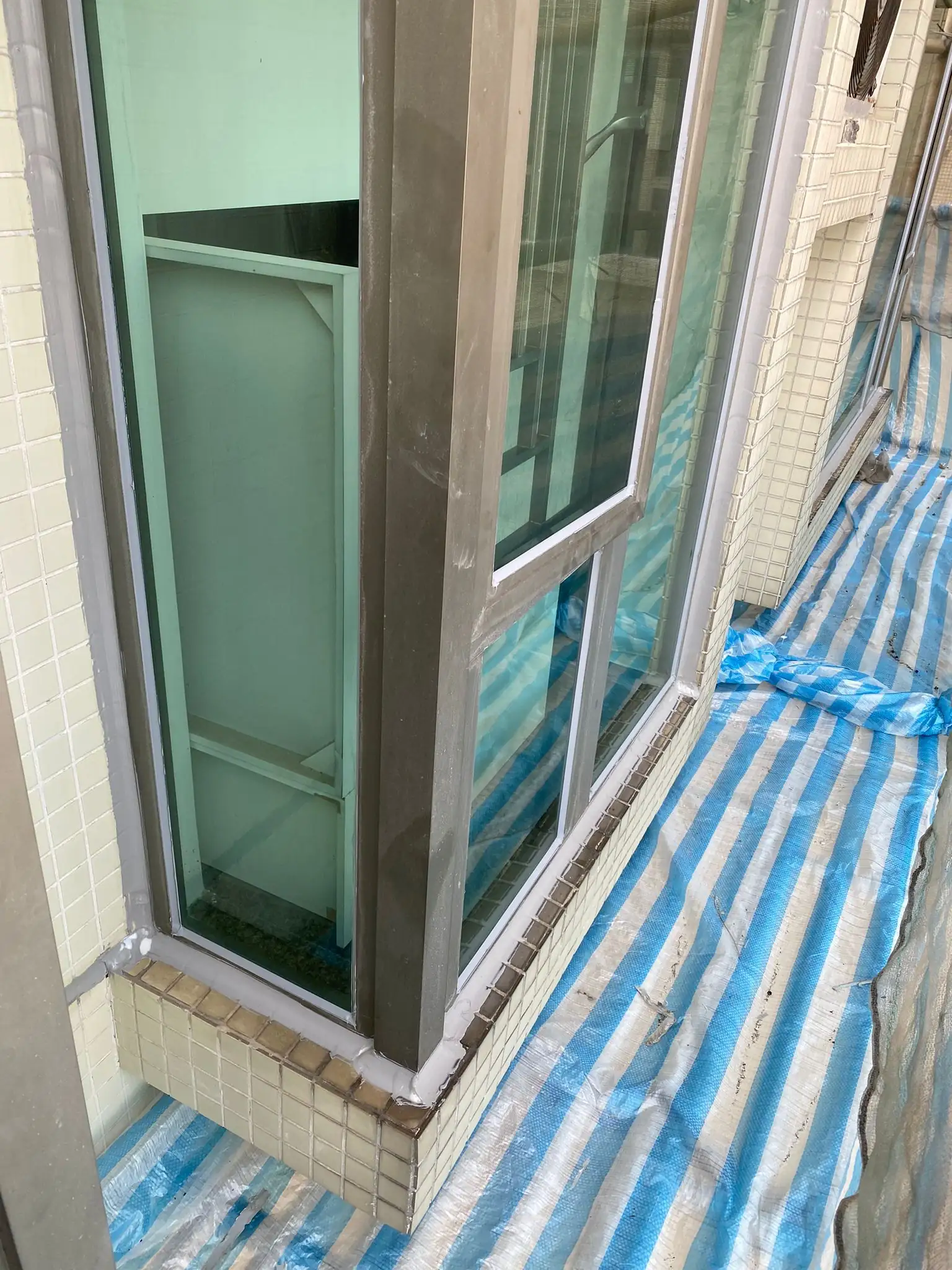
Typhoon Window Leak First Aid: 3 Emergency Self-Help Steps for Window Seepage and a Post-Storm Fix Guide
With the No. 8 signal hoisted and a black rainstorm warning in force, water starts seeping in at the window edge and pooling on the sill — a situation many Hong Kong owners face during typhoon season (May to November). You can't get a technician up mid-storm, but leaving it unattended lets water seep into the wall, damaging plaster and flooring. This article first teaches the immediate self-help steps during a typhoon, then explains why a professional fix is essential afterwards.
Why Does Window Seepage Start the Moment a Typhoon Hits?
A window that never leaks normally but seeps the moment a typhoon arrives does so because strong wind "forces" rain into gaps that normally keep water out. There are several common seepage paths:
Knowing the seepage path tells you where to block during an emergency. Thorough routine maintenance greatly reduces the chance of typhoon seepage — see our Pre-Typhoon Essential: 7-Point Aluminium Window Inspection Checklist.
3 Emergency Self-Help Steps for Window Seepage During a Typhoon
During a typhoon, aim only to "temporarily block and reduce water ingress" — never take risks. These 3 steps can be done immediately:
Step 1: Absorb and intercept Lay dry towels, old clothing or absorbent pads along the sill and the base of the frame to soak up the water, and place a mat on the floor to stop it spreading. Keep a bucket to collect water, wringing out and replacing the towels regularly to prevent flooding from reaching wooden floors and skirting.
Step 2: The plastic-bag-in-the-gap method Stuff a plastic bag (such as a bin bag) into the gap along the sash frame, then close the sash tightly to clamp it. The lower air pressure outside sucks the bag against the gap, forming a temporary barrier that slows water ingress. This works especially well for sliding windows and sash-edge seepage.
Step 3: Clear ponding in the window channel If water is pooling at the base of the frame, carefully soak it up with a towel or draw it out with a syringe, and check whether the drainage holes are blocked with debris and gently clear them. Note: never open the window or lean your body outside to clean, which is extremely dangerous during a typhoon.
Important safety note: never apply waterproof sealant to interior walls or ceilings — it traps moisture inside the wall and causes worse damage. Waterproof sealant is only for a dry exterior surface, and you should not risk applying it during a typhoon.
After the Storm: First Aid Is Temporary — A Lasting Fix Needs a Professional
Plastic bags and towels are only temporary measures during a typhoon; the same spot will almost certainly seep again afterwards. For a lasting fix, you must engage a professional to carry out waterproofing works in dry weather:
For the detailed process, repair options and acceptance standards, see How Are Window Sill Leakage Works Done. Remember: window works in private buildings fall under the Buildings Department, so engage a licensed contractor.
A Real-Life Scenario: Sill First Aid on a Black-Rain Night and a Post-Storm Fix
Ms Lam, who lives in a seafront unit in Tseung Kwan O, had water suddenly seep in at her master bedroom window one black-rain night last year, with sill water spreading along the skirting. She immediately soaked it up with towels, then stuffed a bin bag into the gap and clamped it shut with the sash, successfully slowing the ingress and getting through the night of wind and rain.
After the storm she contacted Amgen. On a water test, the technician found two sources: the silicone at the base of the frame had shrunk and cracked, and the drainage holes were completely blocked with accumulated dust. The technician scraped off the old silicone, replaced the sealant strip, cleared the drainage holes, re-sealed and ran a 15-minute water test to confirm it stayed dry. Through later black rainstorms, the sill never seeped again. This shows the point: first aid holds the moment, but a professional fix secures the long term.
Frequently Asked Questions
Can I get a technician to come right away during a typhoon?
During a typhoon (especially the No. 8 signal or above), technicians generally cannot carry out height or window works for safety reasons. The safest approach is to perform the immediate self-help above, then arrange a professional inspection as soon as the weather stabilises. Amgen offers 24/7 support during typhoon season — call or WhatsApp to describe the situation and arrange the earliest post-storm slot.
Can I apply waterproof sealant at the window myself?
A dry exterior window edge can be patched temporarily, but you must avoid interior walls and ceilings, or you will trap water inside the wall. Sealant only blocks the surface and cannot address root problems such as hardened sealant strips or blocked drainage holes — it treats the symptom, not the cause, so professional treatment is still ultimately needed.
Why is a professional follow-up essential after the storm?
Typhoon seepage usually signals that the sealant strips, silicone or drainage system have failed, and these problems do not recover on their own. Relying on temporary first aid alone means the next black rainstorm will seep again, and long-term water penetration damages the wall structure. Only source diagnosis and waterproofing works by a licensed contractor (MWC 316/2021) can truly fix it.
Conclusion: First Aid Holds the Moment, Waterproofing Secures the Long Term
When a typhoon brings window seepage, intercepting it immediately with towels and plastic bags matters — but real peace of mind comes from getting a professional to fix the source after the storm. Rather than scrambling every time a storm hits, prepare your waterproofing early in the dry season.
Amgen Aluminium Windows is a Registered Minor Works Contractor with the Buildings Department (MWC 316/2021), providing one-stop waterproofing services covering source diagnosis, waterproofing renewal and water-test acceptance from start to finish, with 24/7 support during typhoon season. WhatsApp 6586 3435 to enquire, or book a free on-site assessment.
Contact Us Today
Book a free on-site window inspection and quotation — Licensed Contractor MWC 316/2021