
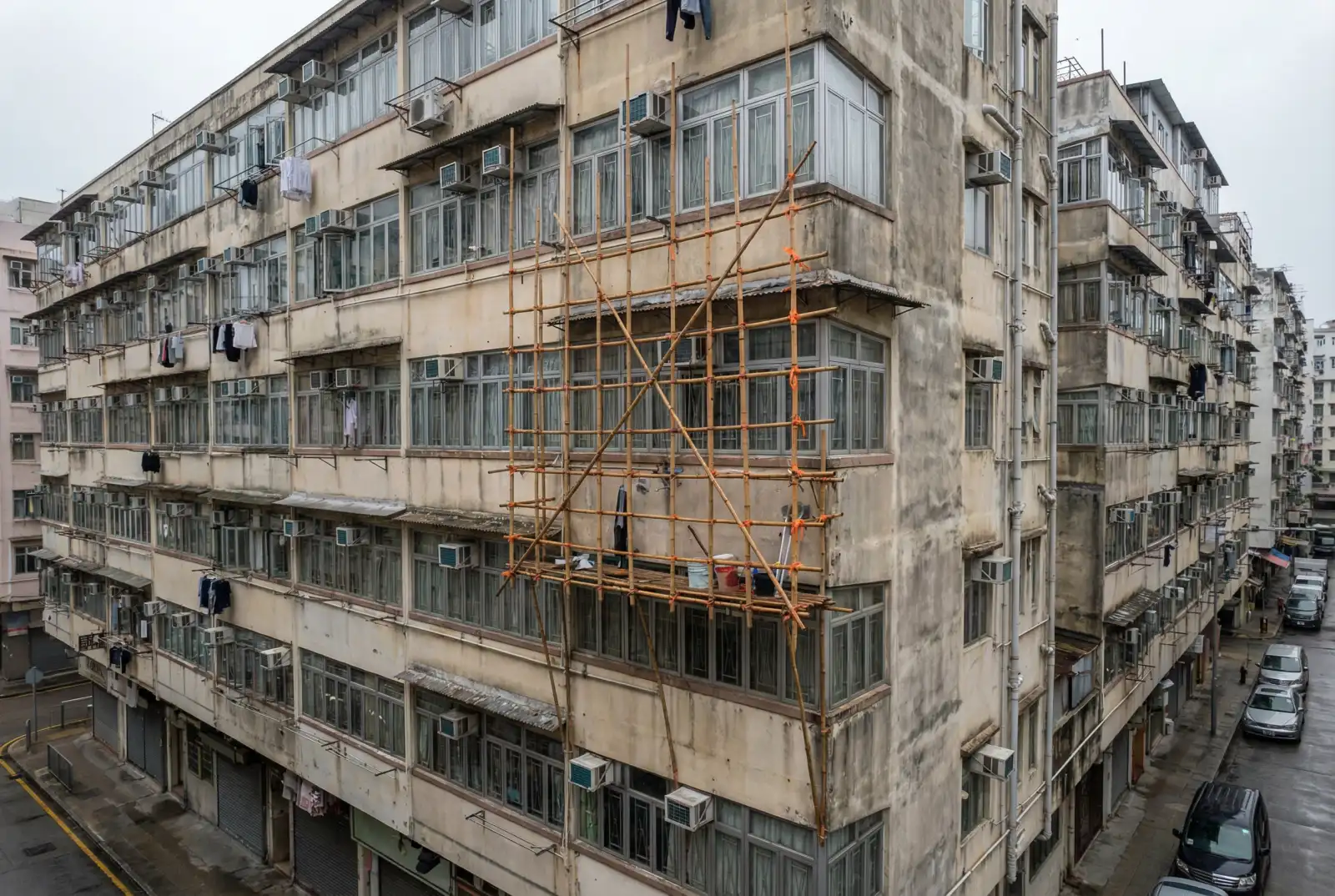
The Incident: A Whole Window Sash Falls During a Typhoon
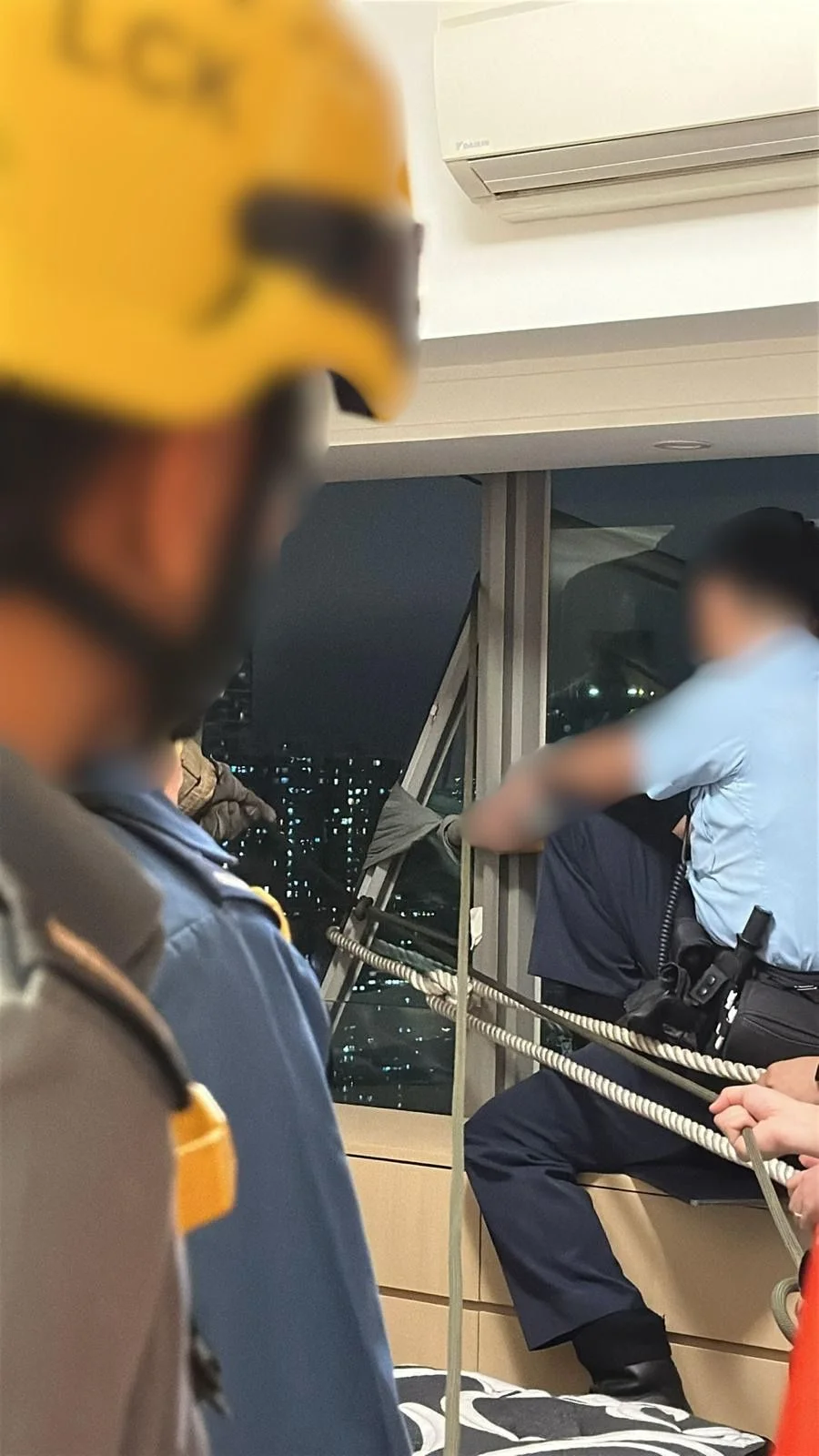
During typhoon season, we received an emergency call from a homeowner — their aluminium window had completely fallen out of its frame during the storm. Fire services and police were called to the scene, alarming neighbouring residents and passers-by below.
Post-incident inspection revealed severe hinge corrosion and loose fixing screws — clear signs of long-term neglect. With regular professional window inspections, this incident could have been entirely prevented.
Why Windows Fall Off
4 Critical Items to Check Before Every Typhoon Season
1. Hinge Condition
Use a small mirror to check whether the rivets at the bottom track of the hinge show signs of corrosion. Look for rust or looseness. If the sash drops when open, or the hinge creaks abnormally, it is worn and must be replaced immediately.
2. Fixing Screws
Gently press the four corners of the window frame — any wobble indicates loose screws. Enlarged or stripped screw holes must be re-fixed or filled.
3. Anti-Wind Clips and Casement Stays
Anti-wind clips limit the maximum opening range; casement stays lock the window at a fixed angle. Both prevent typhoon winds from forcing a window fully open. Confirm both are installed and functioning before typhoon season.
4. Weatherstrip Integrity
Hardened or cracked rubber weatherstrips around window frames not only cause water ingress — they also weaken the overall structural stability of the frame assembly.
Legal Responsibility Under the Buildings Ordinance
Under the Buildings Ordinance, owners of private buildings aged 10 years or more have a legal obligation to ensure their windows are safe. If a window sash falls and injures someone or causes property damage, the owner may face civil and criminal liability. The Mandatory Window Inspection Scheme (MWIS), which requires professional inspection every 5 years, exists precisely to prevent such incidents.
Window inspection is not just a legal requirement — it is a duty of care to your family, your neighbours, and the public.
Amgen Recommends: At Least One Safety Check Every 5 Years
Amgen recommends homeowners carry out a thorough window safety check every 5 years before typhoon season (April–May), focusing on hinge condition, fixing screws and anti-wind clips.
If you have any concerns or would like a professional assessment, contact Amgen via WhatsApp or phone. We offer free pre-typhoon window safety evaluations.
Contact Us Today
Book a free on-site window inspection and quotation — Licensed Contractor MWC 316/2021