
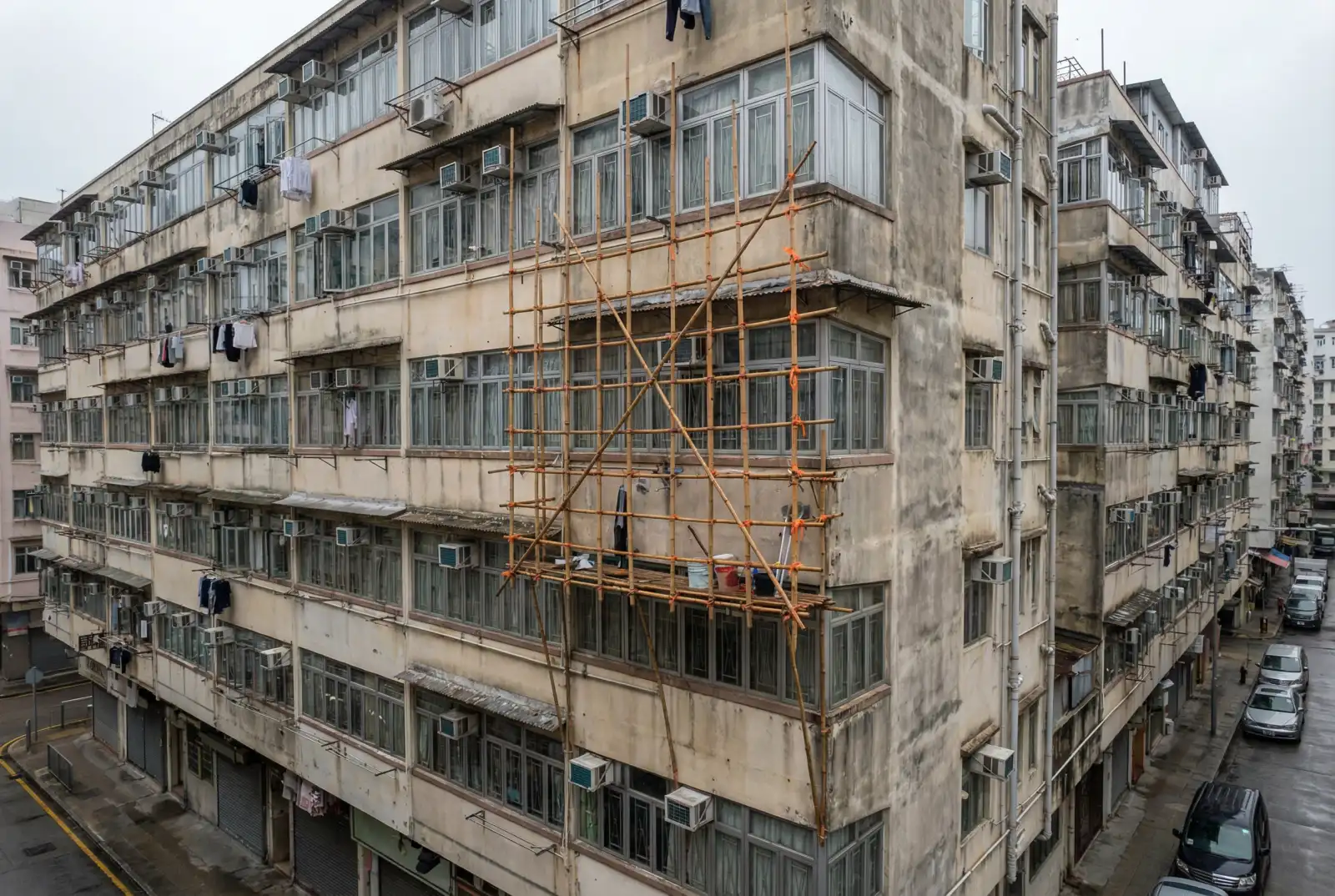
Planning to replace your windows but not sure which style to choose? There are several types of aluminium windows on the market — casement, sliding, projected — each with its own design and characteristics, suited to different flat layouts and usage needs. Choosing without understanding the differences can lead to regret once the windows are installed. This guide covers the 4 most common aluminium window types in Hong Kong, breaking down each style's features, suitable applications, and buying tips to help you make the right decision before replacing your windows.
What Aluminium Window Types Are Available in Hong Kong?
Residential aluminium windows in Hong Kong generally fall into four main categories: casement windows (locally also 外開窗 / 內開窗 / 掩窗 / 推開窗), sliding windows (locally also 趟窗 / 橫拉窗), projected windows (locally also 上懸窗 / 下懸窗 / 氣窗, depending on position and use), and fixed windows (locally also 固定玻璃窗 / 死窗). Each type differs in how it opens, ventilation performance, waterproofing, and maintenance requirements — there is no single "best" type, only the one best suited to your specific situation.
Most Hong Kong residential buildings were constructed between the 1970s and 1990s, when sliding and casement windows were the dominant designs. More recent new developments and renovation projects increasingly use projected windows, which offer better sealing performance and advantages in soundproofing and waterproofing. Understanding the basics of each type is the first step before replacing your windows.
Comparing 4 Aluminium Window Types
Casement Windows (Local terms: 外開窗 / 內開窗 / 掩窗 / 推開窗)
Casement windows are hinged on the side of the frame and open outward or inward. They are one of the most common window styles in older Hong Kong buildings.
Key features:
Best suited for: Low-to-mid-floor residential units, kitchen windows requiring good ventilation, balcony doors and windows
Note: Window hinges are a critical component of casement windows. After years of use, hinges are prone to oxidation, which affects smooth operation — regular inspection is recommended.
Sliding Windows (Local terms: 趟窗 / 橫拉窗)
Sliding windows glide open horizontally along a track. They are extremely common in Hong Kong homes, particularly in private residential buildings and Home Ownership Scheme flats built in the 1970s and 1980s.
Key features:
Best suited for: Studies, bedrooms, corridor windows, and other locations where space is limited
Note: Sliding window rollers and tracks are wear components — after prolonged use, the window may become difficult to slide. Timely replacement of rollers can extend the window's lifespan; if the frame itself has developed significant oxidation, full window replacement is worth considering.
Projected Windows (Top-Hung Windows) (Local terms: 上懸窗 / 下懸窗 / 氣窗)
Projected windows are hinged at the top and open outward at an angle. They are common in newer residential developments, schools, and commercial buildings.
Key features:
Best suited for: Higher-floor units, bedrooms near busy roads requiring soundproofing, homes in areas frequently affected by typhoons
Note: Projected window hinges bear the full weight of the sash, so hardware quality matters — confirm the aluminium profile specification and hinge durability when selecting this type.
Fixed Windows (Local terms: 固定玻璃窗 / 死窗)
Fixed windows cannot be opened and are used purely for natural light and views, often combined with operable window types in the same opening.
Key features:
Best suited for: Large living room picture windows, wall positions requiring light but not ventilation
Note: If a fixed window develops a leak, the cause is typically the weatherseal shrinking or silicone sealant failing at the junction between the frame and wall — this should be addressed promptly.
How to Choose the Right Window Type for Your Flat
There is no single right answer — the best choice depends on the following factors:
1. Floor level and typhoon protection Units on higher floors face greater wind pressure. Projected windows with better sealing performance are the preferred choice; casement and sliding windows require secure locking to prevent being forced open in strong winds.
2. Room use and ventilation needs Kitchens and bathrooms benefit from the larger opening of casement windows; bedrooms and studies requiring soundproofing are better served by projected windows or units fitted with double-glazed glass.
3. User needs For households with elderly residents or young children, the straightforward operation of sliding windows is often most practical. Also consider accessibility for cleaning and future maintenance based on the window's position.
4. Existing opening dimensions and structure The size and condition of your existing window opening will influence the window type you can install. With frame-in-frame window replacement, the new frame must fit within the old frame dimensions; full frame removal gives greater flexibility to adjust the style and size.
Real Case Study: Kowloon Tong Private Flat Owner Replaces All Windows with Projected Style
A private flat owner in Kowloon Tong, in a building approximately 25 years old, had a flat fitted predominantly with sliding windows. Several windows had weatherseals that had shrunk and failed, causing water ingress during heavy rain of varying severity. The unit's proximity to a main road also meant persistent noise was an ongoing concern. The owner wanted to address both waterproofing and soundproofing through a full-flat window replacement.
After an on-site assessment, Amgen's team recommended replacing the living room and master bedroom windows with projected windows fitted with double-glazed insulating glass, maximising sealing and soundproofing performance. The kitchen and utility balcony were recommended to retain casement-style windows to ensure adequate ventilation. All works complied with the Buildings Department's Class 2 Minor Works declaration requirements, with Amgen handling all documentation on behalf of the owner. After completion, the water ingress was fully resolved and the soundproofing improvement was immediately noticeable.
Frequently Asked Questions
Does window replacement have to use the same style as the original?
Not necessarily. Owners can choose to retain the existing style or switch to a different one based on their needs, but the new window dimensions and structure must be compatible with the existing opening. If changes to the opening structure are required, the complexity and cost of the works will increase accordingly. It is advisable to discuss your preferences during the on-site assessment so the technician can confirm feasibility.
How much more do projected windows cost compared to sliding windows?
Generally, projected windows are priced slightly higher than sliding windows of the same size due to more complex hardware requirements, but the difference depends on the aluminium profile specification and glass selection. For an accurate comparison of costs across different styles, an on-site assessment and itemised quote is the most reliable approach.
Does window replacement in an older building require a Buildings Department declaration?
Yes. Full aluminium window replacement is classified as a Class 2 Minor Works project. Regardless of which style is chosen, a licensed contractor registered with the Buildings Department must submit the required declaration to comply with regulations. Amgen Windows holds licence MWC 316/2021 and handles the complete declaration process on your behalf — owners simply need to provide their personal documents.
Know Your Options, Replace with Confidence
Each aluminium window type has its own strengths and trade-offs, suited to different floor levels, orientations, and usage needs. Understanding each type before replacing your windows helps you make a more informed choice for your flat. For professional advice, visit our aluminium window replacement services page, or WhatsApp 6586 3435 to arrange a free on-site assessment — our team will assess your windows on-site and recommend the most suitable style and installation approach.
Contact Us Today
Book a free on-site window inspection and quotation — Licensed Contractor MWC 316/2021